Difference Between Biomedical Engineering and Biotechnology in the UK
0 likes | 2 Vues
Difference Between Biomedical Engineering and Biotechnology in the UK


Difference Between Biomedical Engineering and Biotechnology in the UK
E N D
Presentation Transcript
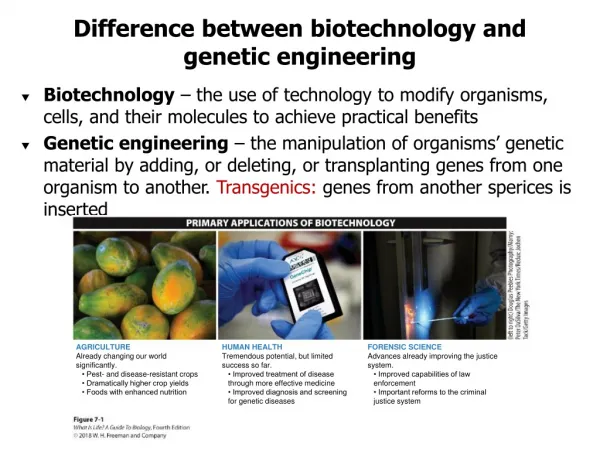
Difference Between Biomedical Engineering and Biotechnology in the UK The UK is a leading destination for higher education in science, healthcare, and technology. With advanced research facilities, globally recognised universities, and strong industry partnerships, the country offers excellent opportunities for students interested in life sciences. Among the most popular degree choices are Biomedical Engineering and Biotechnology. While both fields aim to improve human health and quality of life, they differ in their approach, study focus, and career outcomes. What is Biomedical Engineering? Biomedical Engineering is a multidisciplinary field that combines engineering principles with medical and biological sciences to design and develop healthcare technologies. This field focuses on creating medical devices, diagnostic equipment, and treatment systems that help doctors monitor and treat patients more effectively. Biomedical engineers work on innovations such as artificial organs, prosthetics, medical imaging systems, and robotic surgical tools. Students studying biomedical engineering develop strong technical and problem-solving skills. The course involves subjects like physics, electronics, mechanics, and computer programming, along with basic medical knowledge. The main goal is to use engineering solutions to improve healthcare delivery and patient outcomes. What is Biotechnology? Biotechnology focuses on using living organisms, cells, and biological systems to create useful products and processes. Instead of designing machines, biotechnology works at the molecular and cellular level to develop medicines, vaccines, and biological innovations. This field plays a major role in healthcare, agriculture, and environmental sustainability. Students learn subjects such as genetics, microbiology, molecular biology, and biochemistry. Biotechnology relies heavily on laboratory research and experimentation. Professionals in this field often work on developing new drugs, improving disease treatments, and creating biological solutions to global challenges. The UK’s strong pharmaceutical sector, including companies like GlaxoSmithKline and AstraZeneca, offers excellent career opportunities for biotechnology graduates. Core Academic Differences
The main difference between biomedical engineering and biotechnology lies in their academic focus. Biomedical engineering is technology-driven and applies engineering principles to healthcare problems. It focuses on designing equipment, improving medical systems, and developing physical healthcare solutions. Biotechnology, on the other hand, is biology-driven and focuses on understanding living systems. It explores how cells and organisms function and uses this knowledge to create medicines, therapies, and biological innovations. In simple terms, biomedical engineering builds medical technology, while biotechnology develops biological solutions. Career Opportunities in the UK Career paths also differ between the two fields. Biomedical engineering graduates typically work in hospitals, medical device companies, or healthcare technology firms. Their roles may include designing medical equipment, maintaining clinical technology, or developing new treatment tools. Biotechnology graduates often work in research laboratories, pharmaceutical companies, and biotechnology firms. They may be involved in drug development, genetic research, vaccine production, or laboratory analysis. The UK’s strong research ecosystem makes both fields highly employable and globally recognised. Top Universities Offering These Courses Many of the UK’s top universities offer world-class programmes in both biomedical engineering and biotechnology. Institutions such as University of Oxford, University of Cambridge, Imperial College London, and University College London are known for cutting-edge research, modern facilities, and strong links with healthcare and pharmaceutical industries. Choosing the Right Course Choosing between biomedical engineering and biotechnology depends on your interests and strengths. If you enjoy mathematics, physics, and technology, and want to design medical equipment or healthcare systems, biomedical engineering may be the better option. If you are passionate about biology, genetics, and laboratory research, and want to develop medicines or biological innovations, biotechnology could be the right path. Conclusion Biomedical engineering and biotechnology are both vital fields that contribute to advancements in healthcare and science. Biomedical engineering focuses on creating medical technology and engineering solutions, while biotechnology focuses on biological research and innovation. The
UK provides excellent academic training, research opportunities, and career prospects in both areas. By understanding your interests and career goals, you can choose the field that best aligns with your future ambitions.