Fire insurance
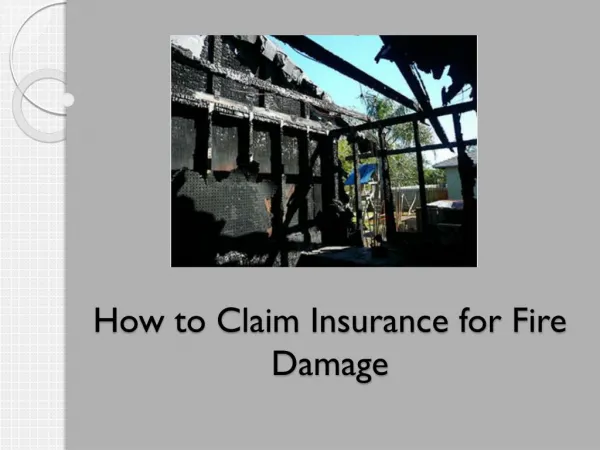
Fire insurance helps them protect their property from unexpected losses due to fire damage. Their policy covers repair costs, reconstruction, and replacement of damaged assets, ensuring financial security. They can customize their coverage based on their needs, safeguarding homes, businesses, and valuable belongings. Their fire insurance plan also includes additional benefits such as temporary accommodation and liability coverage. They can rely on comprehensive protection to minimize financial burdens in case of fire-related incidents.


Fire insurance
E N D
Presentation Transcript
What is Fire Insurance? Fire insurance is a protective financial arrangement that covers damages and losses caused by fire incidents. It helps individuals and businesses recover from fire-related damages, ensuring financial stability during unforeseen circumstances. Importance of Fire Insurance A fire can lead to significant property damage, resulting in financial strain. Fire insurance provides coverage for repairs, replacements, and restoration, preventing heavy financial burdens and enabling a swift recovery.
Types of Fire Insurance Policies ● ● ● ● ● Valued Policy: The insured amount is predetermined, providing fixed compensation in case of a fire loss. Specific Policy: Covers losses up to a specified sum insured. Comprehensive Policy: Offers coverage against multiple risks, including fire, theft, and natural disasters. Floating Policy: Suitable for businesses with inventory at multiple locations, offering flexible coverage. Consequential Loss Policy: Covers indirect losses like business interruptions resulting from fire damage. Coverage and Inclusions in Fire Insurance Fire insurance generally includes protection for: ● ● ● ● Damage to buildings, machinery, and equipment. Loss of stock and goods caused by fire outbreaks. Costs of firefighting and emergency measures. Expenses for alternative accommodations if a residence is affected.
Exclusions in Fire Insurance Policies Common exclusions in fire policy insurance include: ● ● ● ● Damage caused by war, invasion, or nuclear risks. Losses due to intentional or fraudulent acts. Gradual deterioration or poor maintenance-related damages. Minor damages that do not impact functionality. How Fire Insurance Works Policyholders pay a premium based on the property's value and risk factors. In the event of a fire, they must file a claim with supporting evidence. After assessment, compensation is provided to cover the losses as per the policy terms. Key Benefits of Fire Insurance ● ● ● ● Financial Protection: Prevents heavy financial losses due to fire damage. Business Continuity: Helps organizations resume operations swiftly after an incident. Peace of Mind: Ensures security against unforeseen disasters. Property Restoration: Covers rebuilding or repair costs.
Fire Insurance for Businesses Businesses often require fire insurance to safeguard assets, inventory, and operational facilities. It ensures that a company can continue functioning even after a fire, reducing downtime and revenue loss. Fire Prevention and Safety Measures To minimize fire risks, property owners should: ● ● ● ● Install fire alarms and extinguishers. Conduct regular fire drills and employee training. Maintain electrical wiring and safety equipment. Store flammable materials properly. Choosing the Right Fire Insurance Policy When selecting a fire policy insurance, consider: ● ● ● ● The sum insured based on property value and assets. Policy terms and conditions, including exclusions. Additional coverage options, such as allied perils. The reputation and claim settlement ratio of the insurer.
Claim Process for Fire Insurance 1. 2. 3. 4. 5. Notify the Insurer: Report the incident immediately. Assess the Damage: Gather evidence and document losses. File a Claim: Submit required documents and details. Investigation: The insurer evaluates the claim. Settlement: Compensation is provided based on policy coverage. The Future of Fire Insurance With advancements in technology, fire insurance is evolving to include digital claim processing, automated risk assessments, and enhanced safety monitoring. These innovations are improving efficiency and accessibility for policyholders. Conclusion Fire insurance is essential for protecting properties and businesses against the financial impact of fire-related damages. By understanding policy features and implementing preventive measures, individuals and organizations can secure their assets and ensure financial stability.