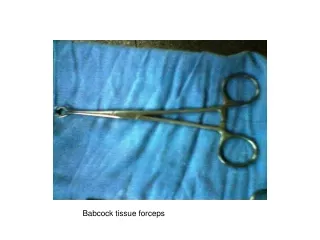
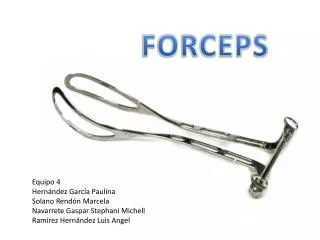
Cooley Caval Occlusion Forceps
Grey-Medical is a manufacturing company that manufactures a Complete Range of Plastic Surgery which Including<br> all kinds of liposuction cannula and their accessories, Forceps, Scissors, Needle Holder, Rasps-Morselizers, Bone-Chisels-Osteotomes-Mallets, Elevators-Raspatories-Speculums, Hooks And-Measuring, Retractors, and Dissectors, Ring Forcep and Rongeurs, Markers and Knives, Endoscopic Plastic Instruments, Electro Surgical, Miscellaneous, Maxillofacial Surgery Instruments.


Cooley Caval Occlusion Forceps
E N D
Presentation Transcript
Caval Instrument: A Key Tool for Surgical Precision and Efficiency The Caval instrument is an essential surgical tool that plays a significant role in various medical specialties. It is especially useful in vascular and cardiac surgeries where precision, efficiency, and controlled procedures are critical. Designed to address specific surgical needs, the Caval instrument facilitates highly accurate operations while minimizing the risk of complications. What is a Caval Instrument? A Caval instrument is a specialized surgical tool primarily used in vascular, cardiac, and other specialized surgeries where delicate and precise manipulation of blood vessels or tissues is required. Its design allows for optimal control in procedures involving the heart, lungs, or large veins, such as the inferior vena cava or superior vena cava.While the specific design and size may vary depending on the surgical procedure, Caval
instruments generally have a thin, sharp design that allows them to be maneuvered in confined spaces without causing unnecessary damage to surrounding tissues. Key Features of the Caval Instrument Specialized Design for Precision The Caval instrument features a design that ensures precision when performing delicate tasks like clamping, dissection, or suturing in cardiovascular surgeries. It typically has a long handle and finely tuned working tips that allow the surgeon to make very controlled movements. This precision is especially important in highly sensitive areas such as the heart or veins. Strong, Durable Material Like many surgical instruments, the Caval instrument is made from high-quality stainless steel, ensuring both strength and corrosion resistance. Stainless steel is ideal for surgical tools because it is durable and can withstand repeated sterilization procedures. The material also ensures the instrument’s reliability in delicate surgical procedures. Variety of Configurations The Caval instrument is available in a range of configurations, including different blade shapes, sizes, and handle types. This allows surgeons to choose the instrument that best fits their specific needs, whether they are performing open-heart surgery, vascular repair, or other procedures requiring fine control. Common Uses of the Caval Instrument Cardiac and Vascular Surgeries The most common application for the Caval instrument is in cardiac surgeries, such as coronary artery bypass grafting (CABG) or heart valve replacements. Surgeons rely on this instrument to access the veins and arteries safely, clamp blood vessels temporarily, and ensure that blood flow can be rerouted or stopped during the procedure. Similarly, in vascular surgeries, the Caval instrument helps with the dissection of veins and arteries, as well as their repair or removal. For instance, it is commonly used when working on the inferior vena cava, the large vein that carries deoxygenated blood from the lower half of the body to the heart. Liver and Organ Transplant Surgeries
The Caval instrument can also be employed in liver transplants and other organ transplant surgeries, where precision in manipulating and clamping blood vessels is crucial. It is used to control blood flow in and around the transplanted organ, ensuring minimal blood loss and maximizing the chances of a successful transplant. Thoracic Surgeries In thoracic surgeries, particularly those involving the lungs or heart, the Caval instrument is invaluable for maneuvering around critical structures, maintaining a steady hand while ensuring the safety of surrounding tissues. Its design allows it to be used for procedures like lung resections or thoracic aortic repairs, where access to the large blood vessels and precise control are paramount. Emergency and Trauma Surgeries In trauma or emergency surgeries, the Caval instrument may be used for vascular control to manage bleeding in emergency situations. It can assist in procedures where rapid clamping and precision are needed to stabilize patients with severe blood loss or internal injuries. Advantages of Using the Caval Instrument Precision and Control The primary advantage of the Caval instrument is its ability to provide exceptional precision during delicate surgical procedures. Whether performing cardiovascular procedures or vascular repairs, this instrument allows surgeons to work with accuracy, minimizing the risk of damage to vital structures. Minimal Tissue Trauma The Caval instrument is designed to apply the necessary force to tissues and blood vessels without causing undue trauma. Its sharpness and control minimize the chances of unnecessary tissue damage, which can help speed up recovery and reduce the risk of complications post-surgery. Versatility The Caval instrument’s versatility makes it an invaluable tool in multiple types of surgeries. From cardiac to vascular to transplant surgeries, the instrument’s wide range of applications in different specialties means that it can be used across various surgical fields. Reduced Blood Loss
In surgeries that involve complex vascular work, controlling blood flow is essential. The Caval instrument allows surgeons to clamp blood vessels with precision, helping to reduce blood loss and improve the surgical outcome. Types of Caval Instruments There are different types of Caval instruments tailored to meet the needs of specific surgeries: Caval Clamps These are specialized clamps used to control the flow of blood in the vena cava during surgeries such as heart surgery or liver transplants. Caval clamps come in various sizes to accommodate different vessel diameters and allow for precise vascular control. Caval Forceps Caval forceps are used for fine dissection and manipulation of tissues in cardiovascular and thoracic surgeries. These forceps often feature fine tips to handle delicate tissues with minimal disruption. They can be used to retract vessels or hold tissues in place during suturing. Caval Scissors Caval scissors are fine-tipped surgical scissors used for delicate tissue cutting in vascular procedures. They are useful for performing vascular anastomosis, removing damaged tissues, or preparing blood vessels for grafting in coronary artery bypass surgeries. Proper Care and Maintenance of the Caval Instrument To ensure that Caval instruments perform reliably during surgeries, it is crucial to maintain them properly. Here are a few care tips: Cleaning and Sterilization After each use, the Caval instrument should be thoroughly cleaned to remove any blood, tissue, or debris. It should then be sterilized according to hospital protocols, typically using autoclaving or other sterilization methods. Regular Inspection Regularly inspect the Caval instrument for any signs of wear, corrosion, or damage. Sharp tips should remain intact, and the instrument should be checked for smooth movement during use. Any signs of damage should prompt the replacement of the tool. Lubrication
To ensure smooth operation, Caval instruments should be periodically lubricated, especially in the hinges and working parts. Proper lubrication prevents friction and ensures the instrument works effectively during surgeries. Conclusion The Caval instrument is a vital tool in the arsenal of any surgeon performing cardiac, vascular, or thoracic surgeries. Its precision, versatility, and ability to minimize tissue trauma make it indispensable for a variety of high-stakes procedures, from vascular clamping to organ transplants. Proper maintenance and care of the Caval instrument ensure its longevity and effectiveness, contributing to successful surgical outcomes and patient recovery.












![FORCEPS [SURGICOSE]](https://cdn4.slideserve.com/8057002/medical-instruments-medical-instruments-dt.jpg)