Download

1 / 10
0 likes | 2 Vues
Exploring Thyroid Goiter Treatments: Your Path to Wellness focuses on safe, effective options for managing goiter symptoms. At CVI Thyroid Center, we specialize in advanced thyroid goiter treatment plans tailored to each patient. We guide you through diagnosis, non-surgical care, and minimally invasive solutions. Our expert team believes the right thyroid goiter treatment can restore comfort, confidence, and long-term thyroid health, helping you move forward on a clear path to wellness.<br><br>Visit us:- https://cvithyroidcenter.com/thyroid-goiter-embolization-treatment-tae/

E N D
Exploring Thyroid Goiter Treatments: Your Path to Wellness A comprehensive guide to understanding your thyroid health and discovering modern treatment options that can restore your well-being and confidence.
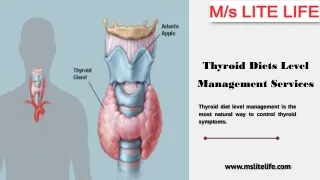
What Is a Thyroid Goiter? A thyroid goiter is an enlargement of the thyroid gland, the butterfly- shaped organ at the base of your neck. While often visible as swelling in the neck area, goiters are surprisingly common, affecting approximately 5% of Americans. Most goiters are benign and non-cancerous, but they can cause noticeable symptoms when they grow large enough. These may include difficulty swallowing, breathing challenges, or changes in your voice quality. Understanding your goiter is the first step toward effective treatment and restored comfort.
Causes and Types of Goiter Iodine Deficiency Autoimmune Diseases Goiter Classifications The leading cause worldwide, though less common in the US thanks to iodized salt. The thyroid needs iodine to produce hormones, and deficiency causes compensatory growth. Hashimoto's thyroiditis (causing underactive thyroid) and Graves' disease (causing overactive thyroid) trigger immune responses that enlarge the gland. Simple (diffuse): uniform enlargement. Multinodular: multiple lumps throughout. Substernal: extends below the breastbone into chest cavity.
Diagnosing Your Goiter: What to Expect 01 Physical Examination Your doctor will carefully palpate your neck to detect enlargement, assess texture, and identify any nodules or irregularities in the thyroid gland. 02 Blood Tests Comprehensive hormone panels measure TSH, T3, and T4 levels to evaluate thyroid function, plus antibody tests to check for autoimmune conditions. 03 Advanced Imaging Ultrasound visualizes size and composition of nodules. Radioactive iodine uptake scans assess how the thyroid functions and absorbs iodine. 04 Fine-Needle Biopsy If nodules appear suspicious, a thin needle extracts tissue samples for laboratory analysis to definitively rule out cancer.
When to Treat: Watchful Waiting vs Active Intervention Watchful Waiting Active Treatment Small, symptom-free goiters with normal thyroid function are often monitored with regular checkups, blood tests, and periodic imaging. Treatment becomes recommended when the goiter grows significantly, causes uncomfortable symptoms, or thyroid function becomes abnormal.
Medication Options: Balancing Hormones and Size Hormone Replacement Anti-Thyroid Drugs Levothyroxine (T4) or liothyronine (T3) supplements replace deficient hormones in underactive thyroid conditions. These medications can also help shrink goiter size over time by reducing TSH stimulation. Methimazole reduces excessive hormone production in overactive thyroid, helping to normalize metabolism and potentially reduce gland size in Graves' disease patients. Beta Blockers Anti-Inflammatory Relief Control uncomfortable hyperthyroid symptoms like rapid heartbeat, tremors, and anxiety while other treatments address the underlying thyroid condition. Pain relievers or corticosteroids provide comfort if thyroid inflammation (thyroiditis) causes neck pain, tenderness, or discomfort during swallowing.
Radioactive Iodine Therapy: Non-Surgical Shrinking How It Works Oral radioactive iodine is selectively absorbed by overactive thyroid cells, gradually destroying them and reducing goiter size over several months. Key Benefits Minimally invasive outpatient treatment No surgical incisions or anesthesia required Effective for toxic nodular goiters and Graves' disease Results appear gradually over 3-6 months Important consideration: Treatment may result in hypothyroidism, requiring lifelong hormone replacement therapy to maintain proper thyroid function.
Surgery: When and How It's Done When Surgery Is Recommended Surgical intervention becomes necessary for large goiters causing breathing or swallowing difficulties, suspicious nodules requiring removal and testing, confirmed cancer, or cosmetic concerns affecting quality of life. Pre-Surgical Planning Comprehensive evaluation by specialized thyroid surgeons, imaging studies, and discussion of partial versus total thyroidectomy options. Advanced Techniques Modern approaches include scarless endoscopic procedures, minimal incision techniques, and robotic-assisted surgery for optimal cosmetic outcomes. Post-Operative Care Most patients return home same day or next day. Hormone replacement may be necessary if significant thyroid tissue is removed.
Emerging Minimally Invasive Treatments Thyroid Artery Embolization (TAE) The Breakthrough Approach This cutting-edge interventional radiology technique blocks blood supply to the thyroid, causing goiter tissue to shrink without surgery. Procedure Details Performed via tiny catheter inserted through groin artery Outpatient procedure with minimal recovery time Real-time imaging guides precise treatment Typically completed in 1-2 hours
Your Path to Wellness: Personalized Care and Hope Tailored Treatment Ongoing Support Your care plan is customized to your specific goiter type, size, symptoms, overall health, and personal wellness goals. Regular monitoring and close collaboration with thyroid specialists ensure optimal outcomes and adjustment of treatments as needed. Advanced Options Take Charge Modern medicine offers more effective and less invasive treatment options than ever before in thyroid care history. Early diagnosis and informed decision-making lead to better outcomes and significantly improved quality of life. Your thyroid health journey is unique, and with the right care team and treatment approach, you can achieve lasting wellness and peace of mind.







![[PDF Read❤️ ONLINE] Thyroid Cancer and Thyroid Nodules In 30 Minutes: A guide to s](https://cdn7.slideserve.com/12662172/slide1-dt.jpg)