Cylindrical Roller Bearing
Cylindrical roller bearings designed for high radial load capacity, durability, and precision. Ideal for industrial and heavy-duty applications.

Cylindrical Roller Bearing
E N D
Presentation Transcript
Cylindrical Roller Bearing: High-Performance Solutions for Industrial Machinery A cylindrical roller bearing is a critical mechanical component widely used in industrial machinery where high radial load capacity and reliable performance are essential. Designed to handle heavy loads at high speeds, these bearings play an important role in ensuring smooth rotation, reduced friction, and long service life in demanding applications. Industries such as manufacturing, power generation, mining, construction, automotive, and steel processing rely heavily on cylindrical roller bearings to maintain operational efficiency and minimize equipment downtime. What Is a Cylindrical Roller Bearing? A cylindrical roller bearing is a type of rolling-element bearing that uses cylindrical rollers instead of balls to maintain separation between moving parts. The rollers are slightly longer than their diameter, which allows a larger contact area with the raceways. This design significantly improves the bearing’s ability to support heavy radial loads. Unlike ball bearings, cylindrical roller bearings are primarily designed for radial loads and offer limited axial load capacity, depending on the bearing design. Their structure makes them ideal for applications where high load-carrying capacity and rigidity are required. Key Features of Cylindrical Roller Bearings Cylindrical roller bearings offer several performance advantages that make them suitable for industrial and heavy-duty applications. One of the most notable features is their high radial load capacity. The line contact between the rollers and raceways allows them to support significantly higher loads compared to ball bearings. Another important feature is low friction, which enables efficient operation at high speeds. This helps reduce heat generation and energy loss in rotating equipment. Cylindrical roller bearings also offer high stiffness, which is essential for maintaining precise shaft alignment in heavy machinery. Their design supports accurate positioning of rotating components, improving machine stability and performance.
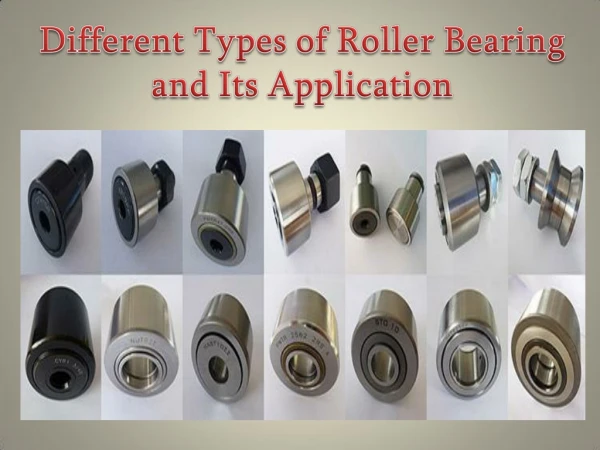
Many designs also allow for easy mounting and dismounting, especially separable bearing types, which simplifies maintenance and reduces downtime. Types of Cylindrical Roller Bearings There are several types of cylindrical roller bearings, each designed for specific operating conditions and load requirements. Single-Row Cylindrical Roller Bearings These are commonly used in applications where high radial loads and moderate speeds are required. They are widely used in electric motors, pumps, and gearboxes. Double-Row Cylindrical Roller Bearings Double-row designs offer increased load-carrying capacity and rigidity. They are often used in machine tool spindles and heavy industrial equipment. Multi-Row Cylindrical Roller Bearings These bearings are designed for extremely heavy loads and are commonly found in rolling mills, large compressors, and heavy construction machinery. Full Complement Cylindrical Roller Bearings These bearings do not have a cage and use the maximum number of rollers. This increases load capacity but reduces speed capability. They are suitable for slow-speed, high-load applications. Materials and Manufacturing Quality The performance and durability of cylindrical roller bearings depend greatly on the quality of materials and manufacturing processes. High-grade bearing steel is typically used to provide excellent hardness, wear resistance, and fatigue strength. Precision machining and heat treatment ensure accurate dimensions and consistent performance. Advanced surface finishing techniques further improve bearing life by reducing friction and wear. Reliable bearing manufacturers focus on strict quality control standards to ensure that each bearing performs consistently under demanding industrial conditions.
Applications of Cylindrical Roller Bearings Cylindrical roller bearings are used across a wide range of industries due to their strength, reliability, and versatility. In industrial machinery, they are commonly found in gearboxes, compressors, conveyors, and heavy-duty motors. In the automotive industry, they are used in transmissions, engines, and axle systems where high load capacity and durability are required. In power generation, these bearings support turbines, generators, and auxiliary equipment operating under continuous load. In mining and construction, cylindrical roller bearings are used in crushers, mills, excavators, and loaders where heavy loads and harsh conditions are common. They are also widely used in steel and metal processing plants, especially in rolling mills and large mechanical systems. Advantages Over Other Bearing Types Compared to ball bearings, cylindrical roller bearings offer higher radial load capacity and greater rigidity. This makes them more suitable for heavy-duty industrial applications. Their ability to operate at high speeds while maintaining load stability makes them ideal for machinery that requires both strength and efficiency. The separable design of many cylindrical roller bearings simplifies installation and maintenance, reducing equipment downtime and labor costs. Proper Selection of Cylindrical Roller Bearings Selecting the right cylindrical roller bearing is essential for optimal performance and long service life. Key factors to consider include load type, load magnitude, operating speed, temperature conditions, lubrication requirements, and shaft alignment. Bearing size and clearance must be chosen carefully to match the operating environment. Incorrect selection can lead to premature wear, overheating, and failure. Consulting with an experienced bearing supplier or technical expert can help ensure the correct bearing is chosen for specific applications.
Maintenance and Lubrication Proper maintenance significantly extends the life of cylindrical roller bearings. Regular inspection helps detect early signs of wear, misalignment, or lubrication issues. Lubrication plays a crucial role in reducing friction and preventing metal-to-metal contact. Depending on the application, grease or oil lubrication may be used. Maintaining clean lubrication and avoiding contamination are essential for reliable operation. Correct installation practices, including proper alignment and torque, further contribute to bearing longevity and performance. Why Cylindrical Roller Bearings Are Essential for Industry Cylindrical roller bearings are essential components in modern industrial systems. Their ability to handle heavy radial loads, operate at high speeds, and maintain structural rigidity makes them indispensable in demanding environments. As industries continue to demand higher efficiency, durability, and reliability, cylindrical roller bearings remain a preferred choice for engineers and maintenance professionals worldwide. Conclusion A cylindrical roller bearing is a vital solution for industrial applications that require strength, precision, and long-term reliability. With high load capacity, low friction, and versatile designs, these bearings support smooth and efficient machine operation across multiple industries. Choosing the right bearing, ensuring proper installation, and following regular maintenance practices can significantly improve equipment performance and reduce operational costs. For industrial machinery operating under demanding conditions, cylindrical roller bearings continue to be a dependable and efficient choice.