Clarinet-Flute-and-Piano-Exploring-Three-Iconic-Instruments
0 likes | 0 Vues
Ever wondered where you can find clarinet flute piano pieces that feel both soulful and unexpected? At Dozan World, youu2019re not just browsing sheet music u2014 youu2019re discovering a bridge between cultures through sound. From elegant piano etudes rooted in Middle Eastern modal beauty, to expressive flute melodies and clarinet lines that sing without words, each piece invites you to listen deeper and feel more.


Clarinet-Flute-and-Piano-Exploring-Three-Iconic-Instruments
E N D
Presentation Transcript
Clarinet, Flute & Piano: Exploring Three Iconic Instruments Journey through the captivating world of three beloved instruments that have shaped musical expression for centuries. From the warm depths of the clarinet to the soaring brightness of the flute and the commanding presence of the piano, discover how these instruments create the foundation of countless musical masterpieces. Dozan World Instrumental Solo Discover an exquisite collection of solo instruments, including piano, clarinet, violin, trumpet, flute, cello, an…
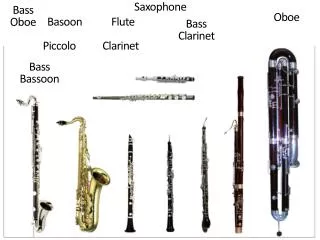
WOODWINDS The Woodwind Family: Clarinet & Flute How They Work Both clarinet and flute belong to the woodwind family, producing sound through the vibration of air inside their cylindrical bodies. Despite their shared classification, their sound production methods differ significantly, creating distinct tonal characteristics that make each instrument unique. Clarinet Flute Single reed vibrates against mouthpiece Air blown across embouchure hole Usually wood or synthetic materials Traditionally metal construction
Clarinet: The Versatile Reed Instrument The clarinet stands as one of music's most expressive instruments, capable of producing sounds ranging from deep, velvety lows to brilliant, piercing highs. Its remarkable range spanning nearly four octaves allows it to adapt seamlessly across musical genres and styles. Classical Excellence Jazz Pioneer Global Folk Traditions Essential voice in symphonic orchestras, with Mozart's Clarinet Concerto standing as a pinnacle of the repertoire. The instrument's warm, singing tone makes it perfect for both solo passages and blending with other instruments. Benny Goodman elevated the clarinet to legendary status in jazz, creating swinging melodies that defined an era. The clarinet's agility makes it ideal for improvisation and rhythmic complexity. From klezmer to Greek folk music, the clarinet adapts to cultural expressions worldwide. Its emotional range captures both joy and melancholy with equal authenticity.
Flute: The Airy, Bright Voice Among the most ancient of instruments, the flute's history stretches back thousands of years across diverse civilizations. Its pure, crystalline tone has captivated listeners throughout human history, making it a beloved voice in orchestras, chamber ensembles, and solo performances worldwide. Ancient Origins Contemporary Masters Archaeological evidence reveals flutes dating back over 40,000 years, making them among humanity's oldest musical instruments. Legendary performers like Jean-Pierre Rampal and James Galway brought the flute to new heights of popularity and artistic achievement. 2 1 3 Modern Evolution Theobald Boehm revolutionized flute design in the 19th century, creating the key system still used today for improved intonation and technique. The flute's clear, bright tones often carry the melody in orchestral and band settings, cutting through dense textures with its distinctive shimmer. Its agility allows for rapid passages and delicate ornamentations that showcase technical brilliance.
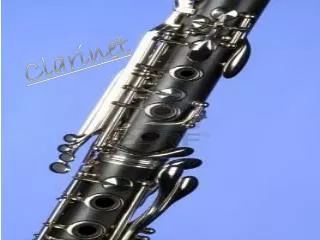
Intricate Details: Clarinet & Flute Mechanics Clarinet Reed & Keys Flute Embouchure & Keys The single reed vibrates against the mouthpiece, controlled by the player's embouchure. The Boehm key system features intricate mechanisms with rings and pads covering tone holes, allowing for complex fingerings and smooth transitions between notes. The embouchure hole requires precise lip positioning and air direction to produce sound. Open-hole keys demand exacting finger placement, while the headjoint's design significantly influences tone quality and projection capabilities.
Piano: The Keyboard Giant The piano stands as a marvel of engineering and musical expression, classified as both a percussion and string instrument. When keys are pressed, felt- covered hammers strike strings, creating sounds that range from thunderous fortissimos to whisper-soft pianissimos. This hybrid nature gives the piano its unique voice and versatility. 88 230 12K Keys Strings Parts Standard piano keyboard spanning over seven octaves Average number of strings under tremendous tension Individual components in a modern grand piano The piano serves as the foundation of Western music harmony, offering composers and performers unparalleled control over melody, harmony, and rhythm simultaneously. From Beethoven's powerful sonatas to Chopin's delicate nocturnes, the piano has inspired some of history's most beloved compositions. Its central role extends across solo recitals, chamber music collaborations, and orchestral concertos.
ENSEMBLE MAGIC How Piano Complements Woodwinds The piano's unique ability to provide both harmonic foundation and melodic counterpoint makes it the perfect partner for woodwind instruments. Its percussive attack and sustained resonance create a sonic landscape that supports and enhances the singing qualities of clarinet and flute. Harmonic Support Rhythmic Foundation Textural Bridge Rich chords and progressions provide the tonal framework for melodic lines Steady pulse and rhythmic patterns anchor ensemble performances Seamlessly transitions between accompaniment and melodic partnership In trio formations, the piano bridges the gap between melody and accompaniment, creating a complete musical experience. Its wide range allows it to dialogue with woodwinds across registers, while its harmonic capabilities enable complex interactions that showcase the unique timbres of all three instruments working in concert.
Famous Trio Works Featuring Clarinet, Flute & Piano The combination of clarinet, flute, and piano has inspired composers across centuries to explore the rich tonal palette these instruments create together. Their contrasting timbres—the clarinet's warmth, the flute's brilliance, and the piano's versatility—offer endless expressive possibilities in chamber music repertoire. "Before Night Falls" by Wan-Yun Liang Mendelssohn's Concertpiece No. 1 Exploring the Repertoire This contemporary masterpiece showcases modern compositional techniques while highlighting each instrument's unique voice. The piece weaves together intricate dialogues and atmospheric textures that demonstrate the trio's full expressive range. Originally composed for clarinet and piano, this Romantic-era gem is frequently adapted to include flute, creating brilliant conversations between the two woodwinds. The work displays virtuosic passages and lyrical melodies that highlight technical prowess. Beyond these highlights, countless arrangements and original compositions celebrate this instrumental combination. From baroque transcriptions to contemporary commissions, the trio format continues to inspire new musical discoveries.
LEARNING JOURNEY Why Learn These Instruments? Combined Benefits Each instrument offers unique benefits for musical development, building skills that transfer across all areas of life. From physical coordination to emotional expression, learning clarinet, flute, or piano creates pathways for personal growth and artistic achievement. Together, these instruments offer unparalleled versatility in musical expression. Students gain access to rich textures spanning from intimate chamber works to grand orchestral compositions, building a comprehensive understanding of musical styles and genres. Clarinet & Flute Development Master breath control and diaphragm support Develop precise finger dexterity and coordination Build embouchure strength and tonal control Learn ensemble listening and blend Piano Foundations Understand music theory and harmonic structure Coordinate independent hand movements Read multiple clefs simultaneously Access vast solo and collaborative repertoire
The Harmony of Woodwind & Piano The magic of music comes alive when clarinet, flute, and piano unite in performance. Each instrument brings its distinctive color to the musical palette—the clarinet's velvety warmth, the flute's crystalline brilliance, and the piano's commanding versatility combine to create something greater than the sum of their parts. Dynamic Expression Vast range from intimate whispers to powerful statements Unique Colors Each instrument contributes distinctive timbres Cross-Genre Appeal Adaptable across classical, jazz, and contemporary styles Collaborative Spirit Emotional Depth Foster musical dialogue and ensemble artistry Capable of expressing the full spectrum of human feeling Whether you're a listener discovering these instruments for the first time or a musician exploring new collaborative possibilities, the interplay of clarinet, flute, and piano offers endless opportunities for musical discovery. Explore recordings, attend live performances, and experience the timeless magic these iconic instruments create together.