Download

1 / 56
0 likes | 1 Vues
EZ Bala: Leading the Change with a Visionary Impact on Healthcare Transformation<br>

E N D
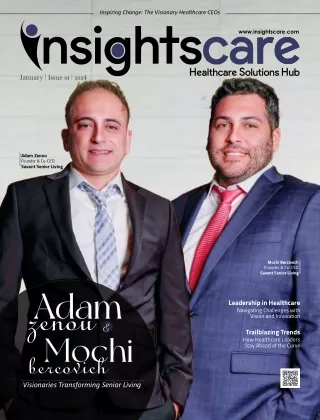
The Most INSPIRING Business Leaders REVAMPING Global Healthcare - 2024 MARKET RESEARCH REPORT Unveiling the Global Landscape of Inbound Medical Tourism ARTICLE Demystifying Data & Analytics and Health Intelligence: Understanding the Differences EZ BALA ALPHIND HEALTHCARE | CEO LEADING THE CHANGE with a Visionary Impact on Healthcare Transformation
SUBSCRIBE How about showcasing your products to 90,000+ C-suite Subscribers? To get recent updates of our magazines OUR PREVIOUS OUR PREVIOUS EDITIONS EDITIONS
The Lifesciences Magazine, 1985, Henderson Rd, Columbus, Ohio, 43220 Follow Us On: For Editorial Concerns: editors@thelifesciencesmagazine.com For Sales & Branding Enquiries: matthew@thelifesciencesmagazine.com For Subscription: info@thelifesciencesmagazine.com Publisher Business Development Executive Susan Wilson The Lifesciences Magazine Creative Content Editor Shalmali W. Creative Designer Paul Young Marketing Coordinator (USA) Matthew Eden Social Media Manager Amy Muller Digital Circulation Manager PR & Marketing Coordinator Michael Stevens Amanda V. This list is NOT a ranking. The companies on listed in magazine serve different aspects of the market, making ranking them in any order except revenue impossible and unfair. We try to bring a perfect platform for business organization to showcase their valued products/ services. Copyrights © The Lifesciences Magazine All Rights Reserved. The images and content included in this magazine should not be copied, transferred or reproduced in any form or by any means, electronics, mechanical, photocopying, recording, otherwise, without proper permission from The Lifesciences Magazine. The Lifesciences Magazine solely owns all the reprint rights.
FROM EDITOR’S DESK Welcome to the latest issue of The Lifesciences Magazine! In this month's edition, we delve into the dynamic landscape of the lifescience industry, spotlighting the trailblazing individuals who are reshaping global healthcare. Titled "The Most Inspiring Business Leaders Revamping Global Healthcare - 2024," this issue celebrates the visionary entrepreneurs, innovative executives, and dedicated professionals who are driving positive change in healthcare worldwide. As the lifescience sector continues to evolve at a rapid pace, it is crucial to recognize and acknowledge the remarkable contributions of these inspiring leaders. From groundbreaking research and development to transformative business strategies, they are at the forefront of innovation, pushing the boundaries of what is possible in healthcare. Throughout the pages of this issue, you will discover insightful interviews, thought- provoking articles, and compelling success stories that highlight the innovative spirit and entrepreneurial vision driving the lifescience industry forward. Whether it's harnessing the power of technology to revolutionize patient care or spearheading initiatives to address global health challenges, these leaders are making a tangible difference in the lives of millions around the world. At The Lifesciences Magazine, our mission is to provide a platform for thought leaders, industry experts, and visionaries to share their insights and expertise, driving meaningful conversations and inspiring positive change in the lifescience community. We hope that you find this issue both informative and inspiring, and that it serves as a catalyst for further innovation and collaboration in the pursuit of a healthier, brighter future for all. Thank you for joining us on this journey of exploration and discovery. Warm regards halmali S Shalmali W.
REDEFINING THE SCIENCE OF LIFE The Lifesciences Magazine is global healthcare solutions platform that paves the way for various healthcare innovations, advices of professionals.
Leaders in Spotlight For the cover read about - EZ Bala, a seasoned entrepreneur with over 35 years of experience in software development and IT consulting, serves as the Global CEO of Alphind Healthcare. Renowned for his adept skills in shaping vision, building dynamic teams, and fostering a culture of collaborative innovation and continuous learning, he has led Alphind to great success. His life journey is a compelling example of the wonders that can unfold when you trust your instincts, demonstrating the power of vision. Yet, all of this, and years of dedication, began with an illustrious journey that he never anticipated when he initially started out. His consultancy expertise spans across numerous leading Asian conglomerates and Fortune 50 companies in the United States, traversing diverse domains. In a strategic career move, Bala immersed himself in the intricacies of healthcare, co-founding AlphaCM in 2005. Specializing in providing revenue cycle management products, AlphaCM became a cornerstone for both behavioral health Managed Care Organizations (MCOs) and providers. Bala’s leadership catapulted the company’s impact within a remarkably short span, with 100% of North Carolina MCOs and nearly 40% of providers adopting their platform. This substantial adoption played a pivotal role in North Carolina’s monumental behavioral healthcare transformation, propelling the company into other states.
10. COVERSTORY EZ Bala contents 20. ARTICLE Demystifying Data & Analytics and Health Intelligence: Understanding the Differences 26. GLOBAL EVENTS Global Events in HealthTech 30. ARTICLE Unlocking the Power of Health Intelligence: A Comprehensive Exploration 36. MARKET RESEARCH REPORT Unveiling the Global Landscape of Inbound Medical Tourism 42. ARTICLE Top Medical Device Trends: Shaping the Future of Healthcare 48. NEWS OF THE WEEK
CEO 10
I n the dynamic landscape of the evolving healthcare industry, where demand for cutting-edge solutions reverberates louder than ever, one luminary stands out for his transformative contributions – EZ Bala, the visionary Founder of Alphind Healthcare. As the healthcare sector undergoes a profound metamorphosis, the need for innovative services becomes paramount. In this fiercely competitive arena, where knowledge and visionary wisdom are the currency of progress, Bala emerges as a beacon of leadership. The Visionary Leadership of EZ Bala EZ Bala, a seasoned entrepreneur with over 35 years of experience in software development and IT consulting, serves as the Global CEO of Alphind Healthcare. Renowned for his adept skills in shaping vision, building dynamic teams, and fostering a culture of collaborative innovation and continuous learning, he has led Alphind to great success. His life journey is a compelling example of the wonders that can unfold when you trust your instincts, demonstrating the power of vision. Yet, all of this, and years of dedication, began with an illustrious journey that he never anticipated when he initially started out. www.thelifesciencesmagazine.com | 11
Journey through Professions Beyond Chance: A Journey Fueled by Inner Calling in Healthcare His consultancy expertise spans across numerous leading Asian conglomerates and Fortune 50 companies in the United States, traversing diverse domains. In a strategic career move, Bala immersed himself in the intricacies of healthcare, co-founding AlphaCM in 2005. Specializing in providing revenue cycle management products, AlphaCM became a cornerstone for both behavioral health Managed Care Organizations (MCOs) and providers. In what can be described as a roller coaster journey, Bala's initial deep commitment surfaced when he joined PBH, a provider organization that underwent a transformative transition into a Medicaid Managed Care Organization. Initially approaching it as “yet another project,” found himself deeply invested when the organization faced existential threats due to a technological failure. It was this critical juncture that compelled him to recognize healthcare as not just an industry but his enduring passion. Today, as the visionary leader of Alphind Healthcare, Bala is dedicated to steering the company towards excellence, fostering a culture of collaborative innovation, lifelong learning, and a profound sense of belonging. Bala's leadership catapulted the company's impact within a remarkably short span, with 100% of North Carolina MCOs and nearly 40% of providers adopting their platform. This substantial adoption played a pivotal role in North Carolina's monumental behavioral healthcare transformation, propelling the company into other states. Inside Alphind: Revolutionizing Healthcare Solutions At Alphind, Bala heads the company with his strategic foresight and ability to pioneer solutions that address critical market needs while delivering substantial positive outcomes. Under his leadership, Alphind stands at the forefront of healthcare innovation with over 15 years of unparalleled expertise in Behavioral Health. What sets the company apart is its pioneering global initiative strategically positioned to introduce its groundbreaking Whole Person Care product and service innovations to international markets. Alphind specializes in key Strategic Focus Areas (SFAs), addressing long standing unmet market needs while providing pragmatic solutions for emerging opportunities. Motivated by a global entrepreneurial spirit, Bala founded Alphind Healthcare in 2011, establishing a technology development center in Chennai, India. Stepping away from AlphaCM in 2015, he directed his focus towards pioneering technology solutions aimed at catalyzing the transformation of healthcare into a holistic Whole Person Care model. 12
COVER STORY At the heart of Alphind's offerings is the Comprehensive Whole Person Care Platform, integrating innovative technology with service and business model advancements. This platform serves as a unified space, bringing together providers, Payers, beneficiaries, and value-added ecosystem solutions, facilitating a holistic approach to healthcare delivery. Noteworthy is Alphind's patent-pending Motion Sensing Intelligence, designed not only to detect incidents like falls but to actively assist customers in mitigating the risk of such events. The company is concurrently developing Effective Care Intelligence, leveraging its expertise in both domains. CEO EZ Bala www.thelifesciencesmagazine.com | 13
Alphind's Impact on Tomorrow's Healthcare Landscape redefine the healthcare landscape, ushering in a new era of comprehensive and sustainable advancements. In a spirit of global collaboration and empowerment, Alphind has opened its innovations to entrepreneurs worldwide, providing them with a unique opportunity to jumpstart their aspirations. The company is actively shaping the future of healthcare by uniting the principles of Whole Person Care, unparalleled experience design, contextually valuable intelligence, and cutting-edge technology. Alphind is pioneering a transformative approach to drive enduring Return-on-Adoption in a field that has long awaited modernization. The company's innovative blend of holistic care, exceptional user experience, and intelligent technologies is poised to Bala's Key Challenges in Establishing the Company COVER STORY In the early stages of establishing Alphind, Bala confronted a significant challenge in convincing stakeholders of his capacity to accomplish seemingly impossible feats. Faced with initial resistance from management, it was only when there was a critical need to explore new possibilities that he gained opportunities to showcase his capabilities. Each instance provided a chance for Bala to demonstrate his competence, ultimately earning the well-deserved recognition. A Glimpse into the Leadership Style of EZ Bala Bala's leadership philosophy at Alphind is characterized by simplicity and profound impact. He champions a lead-by-example approach, inspiring his team with a shared vision and fostering a sense of pride in their collective accomplishments. Bala believes in actively involving the team in expanding the vision, working collaboratively to devise effective strategies for realization. As a facilitative leader, Bala ensures clarity throughout the organization, emphasizing the importance of understanding the “Why” behind the vision. This extends to leaders and all members, affectionately referred to as 'Alphies.' Alphind, a customer-focused organization, thrives on the input of Alphies, where everyone has a voice in decision-making. He also emphasizes heavily on creating a culture of continuous learning and innovation, where failure is embraced as a natural part of the journey toward breakthroughs. At Alphind, there's an open invitation for all Alphies to 'Go Beyond' – to inspire, explore, and experiment with new ideas in both their professional and personal development journeys. Whether aspiring to leadership roles, becoming domain experts, or a combination of both, Alphind is a home that accommodates diverse aspirations and encourages a spirit of perpetual growth and exploration. 14
Bala's Noteworthy Achievements in Healthcare Bala's career is defined by transformative achievements, marked by the successful development of market-critical products and two notable entrepreneurial exits. His resilience and leadership came to the fore when a multimillion-dollar software failed weeks after implementation. Bala orchestrated an in-house alternative with a team of only two additional members apart from him, delivering a stable solution within an unprecedented 90 days. Adding more to his accolades of achievements, is a statewide impact, Bala swiftly responded to North Carolina's decentralization of Medicaid Behavioral Health (BH) management. He developed custom solutions, enabling the onboarding of all Managed Care Organizations (MCOs) within two years. Furthermore, his innovative risk-sharing business model for providers not only elevated collection rates from 85% to over 93% but also yielded a net positive gain of over 5%, all at a nominal fee of 1-3% of revenues with no implementation costs. www.thelifesciencesmagazine.com | 15
The Extensive Scope of Healthcare Bala's Observations on Healthcare Innovations From Challenge to Promise: Bala's Perspective on Healthcare's Turning Point Bala recognizes the distinctive challenges within the healthcare industry, marked by continual evolution driven by life sciences breakthroughs, changing clinical practices, a growing aging population, and technological advancements like Data Science and AI. Despite this progress, healthcare grapples with the vastness of unstructured data, constituting about 80% of an individual's health data. Alphind, under Bala's leadership, aims to bridge this technological gap, leveraging data aggregation and predictive analytics for early intervention, fostering a shift toward holistic, person-centric care. Bala holds a forward-thinking perspective on the latest advancements in the healthcare industry. He recognizes a significant convergence between behavioral and physical health and the merging of Payers and Providers. There's a growing acknowledgement that addressing both behavioral and physical health is essential, leading to a shift in focus from treating isolated episodes to embracing a holistic approach known as whole-person care. The healthcare industry is undergoing a significant and unprecedented transformation like never before. Factors such as global warming, a rapidly aging population, increased life expectancy, and the aftermath of COVID-19 have instigated a sense of urgency across various sectors—technology, governments, academia, and more. This urgency has led to a concerted and collaborative effort, channeling resources like never before, to address issues of inequity, inequality, and gaps in health justice. In his position, Bala is all set to contribute meaningfully to this transformative journey. Bala emphasizes the newfound potential in processing massive amounts of data, measured in Peta Bytes, at a more affordable cost. This data-driven approach enables more profound insights into individuals' health and wellness, paving the way for predictive and preventive care strategies. However, he acknowledges the challenge of cognitive overload, particularly limiting physicians' ability to harness the power of available data fully. This recognition has accelerated the industry's shift from feature-centric and form-filling data-capture design to a more holistic focus on experience design. Adapting to the New Normal: Insights Post-COVID Insights into Future Paths and Advice for Aspiring Leaders The COVID-19 pandemic has upheaved healthcare models globally, prompting innovations such as Hospital@Home. Bala's keen understanding of these dynamics positions Alphind to navigate and contribute to the transformative landscape of healthcare, addressing emerging challenges and leveraging opportunities for progressive solutions. In response to the seismic shifts triggered by the COVID crisis, has strategically leveraged technological advancements to reshape the healthcare landscape. Recognizing the necessity for innovation, by seamlessly bridging the gap between in-person and remote healthcare interactions, Alphind ensures the confidence and convenience of both providers and patients. This proactive approach showcases Alphind's commitment to adapting to emerging challenges and spearheading transformative solutions under Bala's leadership in the post-COVID era. The industry is poised for significant changes, with a dual focus on enhancing the physician experience to alleviate cognitive overload and improve patient education about their data. Bala envisions a future where the traditional demarcation between providers and payers will blur as providers collaborate to assume payer roles and payers increasingly acquire provider entities. Care delivery will evolve beyond addressing physical conditions alone, with a crucial emphasis on incorporating all relevant social factors surrounding patients. As for his advice to future leaders, he only advises them to direct their focus towards the end consumer, transcending the notions of just serving your customer or employer. The profound impact on the end consumer brings a sense of fulfillment and motivation, propelling individuals to achieve more, ultimately leading to success in every aspect. Navigating the Landscape of Healthcare Innovations and Research According to Bala, the healthcare industry is experiencing a long-awaited surge in innovation. Notably, advancements in wearable technology and non-intrusive methods empower individuals to intervene early and take proactive measures for their health. Analyzing behavioral patterns on a personal level and comparing them at a broader scale contributes to heightened health awareness, ultimately alleviating the burden on traditional care delivery systems. Additionally, Bala expresses that personalized solutions such as precision medicine are now well within reach, signaling a promising era of tailored healthcare solutions. 16
COVER STORY Concluding Thoughts on Bala's Healthcare Legacy In conclusion, Bala's indelible mark on the healthcare industry through Alphind Healthcare epitomizes visionary leadership. His journey, marked by a serendipitous entry into healthcare, reflects resilience in overcoming challenges. Alphind, under his stewardship, isn't merely a company; it's a pioneering force shaping tomorrow's healthcare. Bala's commitment to global collaboration, innovation, and empowering entrepreneurs underscores a dedication to industry-wide progress. As the healthcare horizon continues to expand, Bala remains a stalwart, with his leadership like a compass guiding Alphind towards ongoing excellence and transformative impact on the ever- evolving healthcare landscape. www.thelifesciencesmagazine.com | 17
article Demystifying Data & Analytics and Health Intelligence: Understanding the Di?erences Data Collection and Integration: Data analytics begins with the collection and integration of diverse data sources, including electronic health records (EHRs), medical imaging, laboratory results, billing records, and patient- generated data from wearable devices. Integrating these disparate datasets into a centralized repository enables healthcare organizations to access a comprehensive view of patient health and healthcare delivery processes. In the rapidly evolving landscape of healthcare, data and analytics have emerged as powerful tools for unlocking insights, improving decision-making, and driving innovation. As healthcare organizations strive to harness the full potential of data-driven approaches, terms like "data analytics" and "health intelligence" are often used interchangeably. However, it is essential to recognize that these concepts represent distinct yet interconnected facets of healthcare data management and utilization. In this comprehensive article, we aim to demystify the differences between data analytics and health intelligence, exploring their definitions, components, applications, and implications for the future of healthcare. Data Preprocessing and Cleansing: Once data is collected, it undergoes preprocessing and cleansing to remove noise, errors, and inconsistencies that may affect the accuracy and reliability of analytical results. Data preprocessing techniques include data normalization, missing value imputation, outlier detection, and data transformation, ensuring that the data is clean, standardized, and ready for analysis. Descriptive Analytics: Descriptive analytics involves summarizing and visualizing data to gain insights into historical trends, patterns, and relationships. Descriptive analytics techniques include data visualization, dashboards, charts, and graphs, which enable stakeholders to explore and understand key performance indicators (KPIs), patient demographics, and utilization patterns. Understanding Data Analytics Data analytics refers to the process of extracting actionable insights from vast amounts of structured and unstructured data to inform decision-making, optimize processes, and drive business outcomes. In the context of healthcare, data analytics involves the collection, processing, analysis, and interpretation of healthcare data to derive insights into clinical outcomes, operational efficiency, and patient behavior. Data analytics encompasses a wide range of techniques, including descriptive analytics, diagnostic analytics, predictive analytics, and prescriptive analytics, each serving a specific purpose in transforming raw data into actionable intelligence. Diagnostic Analytics: Diagnostic analytics focuses on identifying the root causes of past events or outcomes by analyzing historical data and conducting root cause analysis. Diagnostic analytics techniques include hypothesis testing, correlation analysis, and regression analysis, which help uncover relationships between variables and determine factors contributing to specific outcomes or events. Predictive Analytics: Predictive analytics involves forecasting future events or outcomes based on historical data and statistical modeling techniques. Predictive analytics techniques include machine learning algorithms, time series analysis, and survival analysis, which enable healthcare organizations to predict patient outcomes, disease progression, and resource utilization with a high degree of accuracy. Components of Data Analytics Data analytics involves several key components that collectively enable healthcare organizations to extract value from their data assets: 20
Prescriptive Analytics: Prescriptive analytics goes beyond predicting future events to recommend optimal courses of action to achieve desired outcomes. Prescriptive analytics techniques include optimization algorithms, decision trees, and simulation models, which help healthcare organizations identify the most effective interventions, treatment protocols, and resource allocation strategies to improve patient outcomes and operational efficiency. Health intelligence comprises several key components that distinguish it from traditional data analytics: Clinical Expertise and Domain Knowledge: Health intelligence leverages clinical expertise, medical knowledge, and evidence-based practices to interpret analytical insights and translate them into actionable strategies that drive clinical decision-making and patient care. By integrating data analytics with clinical expertise, health intelligence enables healthcare providers to tailor treatment plans, optimize care pathways, and improve patient outcomes. Understanding Health Intelligence Health intelligence builds upon the foundation of data analytics by integrating advanced analytics techniques, clinical expertise, and domain knowledge to drive informed decision-making, improve patient outcomes, and enhance the overall efficiency of healthcare delivery. While data analytics focuses primarily on extracting insights from data, health intelligence encompasses a broader scope, incorporating insights derived from data analytics into actionable strategies and interventions that impact clinical care, population health management, and healthcare operations. Interdisciplinary Collaboration: Health intelligence fosters collaboration among multidisciplinary teams, including data scientists, clinicians, researchers, and healthcare administrators, to leverage diverse perspectives and expertise in addressing complex healthcare challenges. Interdisciplinary collaboration enables stakeholders to identify relevant data sources, develop analytical models, and implement evidence-based interventions that address the unique needs of patients and communities. Real-Time Monitoring and Intervention: Health intelligence enables real-time monitoring of patient health status, clinical workflows, and healthcare performance metrics, allowing healthcare organizations to identify deviations from baseline values and intervene proactively to prevent adverse events or optimize care delivery. By leveraging real-time data analytics and decision support tools, health intelligence empowers clinicians to make timely, data-driven decisions that improve patient outcomes and enhance the quality of care. Components of Health Intelligence www.thelifesciencesmagazine.com | 21
Population Health Management: Health intelligence plays a crucial role in population health management by enabling healthcare organizations to stratify patient populations based on risk factors, health behaviors, and utilization patterns. By identifying high-risk individuals and implementing targeted interventions, population health initiatives can reduce healthcare costs, improve health outcomes, and enhance the overall well-being of communities. Distinguishing Between Data Analytics and Health Intelligence Continuous Improvement and Learning: Health intelligence emphasizes a culture of continuous improvement and learning, where healthcare organizations leverage data-driven insights to identify opportunities for optimization, innovation, and quality improvement. By analyzing performance metrics, benchmarking data, and outcomes measures, healthcare organizations can identify best practices, implement evidence-based interventions, and drive continuous improvement across all aspects of healthcare delivery. As healthcare organizations embrace data-driven approaches, the distinctions between data analytics and health intelligence become increasingly important. Ÿ IMPLICATIONS FOR Recognizing the unique capabilities of each approach is crucial for leveraging the full potential of data and analytics in healthcare delivery. Ÿ THE FUTURE OF Integration of advanced analytics techniques, clinical expertise, and domain knowledge is essential for harnessing the power of health intelligence. Ÿ HEALTHCARE This integration enables healthcare organizations to address complex challenges, improve patient outcomes, and enhance overall quality and value of healthcare delivery. Ÿ In conclusion, data analytics and health intelligence represent complementary approaches to leveraging data and analytics in healthcare. While data analytics focuses on extracting insights from data to inform decision-making and optimize processes, health intelligence encompasses a broader scope, integrating advanced analytics techniques, clinical expertise, and domain knowledge to drive informed decision-making, improve patient outcomes, and enhance the overall efficiency of healthcare delivery. By recognizing the distinctions between these concepts and embracing a holistic approach to data-driven healthcare, healthcare organizations can unlock the transformative potential of health intelligence and drive meaningful change and innovation in healthcare delivery. Interdisciplinary collaboration is emphasized for leveraging diverse perspectives in addressing healthcare challenges effectively. Ÿ Investment in data infrastructure and analytics capabilities is necessary to support the implementation of health intelligence. Ÿ Prioritizing continuous improvement and learning is essential for unlocking the transformative potential of health intelligence in healthcare delivery. Ÿ Ultimately, the vision of data-driven, patient- centered care for all can be realized through the effective utilization of health intelligence. Ÿ 22
article Aspect Data Analytics Health Intelligence Scope and Purpose Focuses primarily on extracting insights from data to inform decision-making and optimize processes. Encompasses a broader scope, integrating advanced analytics techniques, clinical expertise, and domain knowledge to drive informed decision-making, improve patient outcomes, and enhance overall efficiency of healthcare delivery. Interdisciplinary Collaboration May involve collaboration with stakeholders from various disciplines. Emphasizes interdisciplinary collaboration among data scientists, clinicians, researchers, and healthcare administrators to leverage diverse perspectives and expertise in addressing complex healthcare challenges. Real-Time Monitoring and Intervention May involve retrospective analysis of historical data. Enables real-time monitoring of patient health status, clinical workflows, and healthcare performance metrics, allowing proactive intervention to optimize care delivery. Population Health Management May involve population-level analysis of healthcare data. Plays a crucial role in population health management by stratifying patient populations based on risk factors, health behaviors, and utilization patterns, emphasizing targeted interventions and personalized approaches to improving population health outcomes. www.thelifesciencesmagazine.com | 23
Global Events in HealthTech DMEA Bits & Pretzels HealthTech 2024 Website: DMEA Date: 9–11 April 2024 Where: Berlin, Germany Website: Bits & Pretzels HealthTech 2024 Date: 5–6 June Where: Munich, Germany Held annually in Berlin, DMEA is a premier event for digital health professionals in Europe. Over three days, attendees gain insights into the latest market trends, engage in thought-provoking discussions, and build valuable connections with industry colleagues and potential customers. Whether you're a seasoned expert or just starting your journey in digital health, DMEA offers a unique platform for learning, networking, and shaping the future of healthcare. Europe's leading HealthTech gathering brings together the brightest minds - from startup founders to industry giants - for three dynamic days. Collaborate, network, and spark innovation with Pharma leaders, MedTech professionals, and policymakers. Bits & Pretzels HealthTech fosters a positive ripple effect, shaping the future of European healthcare. 26
Healthcare and Patient Safety Website: Healthcare and Patient Safety Date: 18–20 July Where: Zurich, Switzerland Conferenceseries is a global leader in fostering scientific collaboration and knowledge sharing. Backed by 1000 scientific societies, they host over 3,000 conferences annually. This impressive reach allows researchers and professionals to connect, exchange ideas, and stay at the forefront of scientific advancements. Additionally, Conferenceseries champions open access by publishing 700 Open Access journals. This ensures that groundbreaking research findings are readily available to everyone, accelerating scientific progress and innovation. The healthcare technology industry is undergoing a rapid digital transformation. Attending key industry events in 2024 is crucial for professionals to stay informed, connected, and ahead of the curve. HLTH Europe 2024 Intelligent Health AI Website: HLTH Europe 2024 Date: 17–20 June Where: Amsterdam, Netherlands Website: Intelligent Health AI Date: 11–12 September Where: Basel, Switzerland HLTH Inc. is more than just events. It's a powerful community that unites leaders across healthcare, business, science, and philanthropy. Through innovative events and purposeful engagement, they create a global ecosystem where collaboration thrives. Imagine a vibrant marketplace where groundbreaking ideas connect with the resources to make them a reality. That's the power of HLTH Inc. Intelligent Health returns for its 7th edition, emerging as a global platform for high-impact AI innovation in healthcare. This year's summit goes beyond showcasing cutting-edge technology. Safety and responsible adoption of AI in healthcare take center stage, ensuring advancements directly translate to improved human health. Join leading AI experts from diverse sectors as they shape the future of healthcare together. www.thelifesciencesmagazine.com | 27
Unlocking the Power of Health Intelligence: A Comprehensive Exploration article Healthcare Operations and Performance Improvement: Health intelligence enables healthcare organizations to optimize operational efficiency, resource utilization, and quality of care delivery. By analyzing operational data, such as patient flow, staffing levels, and supply chain logistics, healthcare administrators can identify bottlenecks, streamline processes, and enhance the overall patient experience. 30
Components of Health Intelligence In recent years, the concept of health intelligence has gained significant traction in the realm of healthcare and technology. With the convergence of data analytics, artificial intelligence (AI), and healthcare expertise, health intelligence represents a transformative approach to understanding and optimizing various facets of healthcare delivery, patient outcomes, and population health management. In this comprehensive article, we delve into the essence of health intelligence, its components, applications, challenges, and implications for the future of healthcare. Health intelligence comprises several key components that collectively enable healthcare stakeholders to derive actionable insights and drive meaningful change: Data Aggregation and Integration: Health intelligence begins with the aggregation and integration of diverse data sources, including electronic health records (EHRs), medical imaging, wearable devices, genetic information, socio- economic data, and environmental factors. By consolidating these disparate datasets into a unified platform, healthcare organizations can gain a more comprehensive view of patient health and healthcare delivery processes. Understanding Health Intelligence: A Holistic Approach Data Analytics and Predictive Modeling: Advanced analytics techniques, such as machine learning, predictive modeling, and natural language processing, play a crucial role in health intelligence by uncovering patterns, trends, and correlations within healthcare data. These analytical tools enable healthcare providers to identify high-risk patients, forecast disease progression, optimize treatment protocols, and allocate resources more effectively. At its core, health intelligence encompasses the collection, analysis, interpretation, and utilization of vast amounts of healthcare data to drive informed decision-making, improve clinical outcomes, and enhance the overall efficiency of healthcare systems. Unlike traditional approaches to healthcare data management, which often involve siloed systems and fragmented information, health intelligence takes a holistic view, integrating data from disparate sources to provide a comprehensive understanding of patient health, clinical processes, and population health trends. Clinical Decision Support Systems (CDSS): Clinical decision support systems leverage health intelligence to provide evidence-based recommendations, alerts, and guidelines to healthcare providers at the point of care. By integrating clinical knowledge, best practices, and patient- specific data, CDSS can assist clinicians in making more informed decisions, reducing medical errors, and improving patient safety. www.thelifesciencesmagazine.com | 31
article Unlocking the Power of Health Intelligence: A Comprehensive Exploration Population Health Management: Health intelligence facilitates population health management by enabling healthcare organizations to stratify patient populations based on risk factors, health behaviors, and utilization patterns. By identifying at-risk individuals and implementing targeted interventions, population health initiatives can improve health outcomes, reduce healthcare costs, and enhance the overall well-being of communities. sensors, public health agencies can detect emerging threats, implement timely interventions, and mitigate the spread of infectious diseases. Healthcare Operations and Performance Improvement: Health intelligence enables healthcare organizations to optimize operational efficiency, resource utilization, and quality of care delivery. By analyzing operational data, such as patient flow, staffing levels, and supply chain logistics, healthcare administrators can identify bottlenecks, streamline processes, and enhance the overall patient experience. Healthcare Analytics Platforms: Healthcare analytics platforms serve as the technological backbone of health intelligence, providing scalable infrastructure, data visualization tools, and interoperability capabilities to support data-driven decision-making across the healthcare ecosystem. These platforms enable stakeholders to access, analyze, and share insights derived from healthcare data in real-time, fostering collaboration and innovation in healthcare delivery. Healthcare Policy and Advocacy: Health intelligence informs healthcare policy-making and advocacy efforts by providing empirical evidence, benchmarking data, and insights into healthcare disparities and inequities. By analyzing population health data, healthcare utilization patterns, and outcomes metrics, policymakers can develop evidence-based policies, allocate resources strategically, and address systemic challenges in healthcare delivery. Applications of Health Intelligence The application of health intelligence spans across various domains within healthcare, encompassing clinical care, population health management, research, and policy- making. Some notable applications of health intelligence include: Challenges and Considerations Despite its transformative potential, health intelligence is not without its challenges and considerations. Some of the key challenges include: Precision Medicine: Health intelligence enables the practice of precision medicine by leveraging genomic data, molecular profiling, and clinical data to tailor treatment strategies to individual patients' unique characteristics, genetic makeup, and disease profiles. By identifying biomarkers, predicting drug responses, and personalizing treatment regimens, precision medicine holds the promise of improving patient outcomes and reducing adverse effects. Data Privacy and Security: Health intelligence relies on the collection and analysis of sensitive health information, raising concerns about data privacy, security, and compliance with regulations such as the Health Insurance Portability and Accountability Act (HIPAA). Healthcare organizations must implement robust data protection measures, encryption protocols, and access controls to safeguard patient confidentiality and mitigate the risk of data breaches. Chronic Disease Management: Health intelligence plays a crucial role in chronic disease management by enabling proactive monitoring, early intervention, and personalized care for patients with chronic conditions such as diabetes, hypertension, and cardiovascular disease. By analyzing longitudinal health data, identifying risk factors, and engaging patients in self-management, healthcare providers can mitigate the burden of chronic diseases and improve quality of life. Data Interoperability and Standardization: Health intelligence requires seamless interoperability and standardization of healthcare data formats, vocabularies, and exchange protocols to enable the integration of disparate data sources and facilitate data sharing across systems. Achieving interoperability requires collaboration among healthcare stakeholders, adoption of interoperability standards, and investment in interoperable health IT infrastructure. Public Health Surveillance: Health intelligence contributes to public health surveillance efforts by monitoring disease outbreaks, tracking epidemiological trends, and identifying population-level health risks. By analyzing data from diverse sources, including syndromic surveillance systems, social media, and environmental Algorithm Bias and Ethical Considerations: Health intelligence algorithms may exhibit biases due to imbalanced training data, algorithmic complexity, or inherent biases in the data collection process. Healthcare providers must mitigate algorithmic bias by ensuring 32
diversity and representativeness in training datasets, validating algorithm performance across diverse populations, and transparently disclosing algorithmic decision-making processes. Health Literacy and Patient Engagement: Health intelligence relies on patient engagement, health literacy, and informed decision-making to drive meaningful behavior change and improve health outcomes. Healthcare organizations must invest in patient education, health literacy programs, and digital health tools to empower patients to actively participate in their care, make informed decisions, and adopt healthy behaviors. Workforce Training and Capacity Building: Health intelligence requires a skilled workforce with expertise in data analytics, informatics, and clinical domain knowledge to harness the full potential of healthcare data and technologies. Healthcare organizations must invest in workforce training, capacity building, and interdisciplinary collaboration to cultivate a culture of data-driven decision-making and innovation. The Future of Health Intelligence As healthcare continues to evolve in the digital age, health intelligence will play an increasingly vital role in shaping the future of healthcare delivery, research, and policy-making. With ongoing advancements in data analytics, AI, and digital health technologies, we can expect to see continued innovation and adoption of health intelligence solutions across the healthcare ecosystem. By harnessing the power of data-driven insights, collaboration, and innovation, health intelligence has the potential to transform healthcare delivery, improve patient outcomes, and advance the goal of achieving equitable, patient-centered care for all. In conclusion, health intelligence represents a paradigm shift in healthcare, driven by the convergence of data analytics, AI, and healthcare expertise. By harnessing the power of data-driven insights, advanced analytics, and interdisciplinary collaboration, health intelligence holds the promise of revolutionizing healthcare delivery, improving patient outcomes, and advancing the goal of achieving equitable, patient-centered care for all. As we continue to navigate the complexities of the healthcare landscape, health intelligence will serve as a guiding light, illuminating the path towards a healthier, more resilient future. www.thelifesciencesmagazine.com | 33
Unveiling the Global Landscape of Inbound Medical Tourism: Trends, Growth, and Regional Outlook The term "medical tourism" has gained prominence in recent years, describing the practice of individuals seeking healthcare services abroad. This phenomenon has led to the emergence of a thriving global inbound medical tourism market, where patients travel to foreign countries to receive medical treatment. Whether seeking specialized procedures, cost-effective care, or access to cutting-edge technology, patients are increasingly exploring healthcare options beyond their borders. As the demand for international healthcare services continues to grow, understanding the dynamics of the global inbound medical tourism market becomes imperative. In this article, we delve into the trends, growth drivers, and regional outlook of this rapidly evolving industry. Table Of Contents Ÿ Executive Summary Ÿ Premium Insights Ÿ Research Methodology Ÿ Market Trends Ÿ Market Assessment Ÿ Impact of Recession on the Market Ÿ Global Inbound Medical Tourism Market, By Service Ÿ Global Inbound Medical Tourism Market, By Service Provider Ÿ North America Market Analysis Ÿ Europe Market Analysis Ÿ Asia-Pacic Market Analysis Ÿ Latin America and the Caribbean Market Analysis Ÿ The Middle East and Africa Market Analysis Ÿ Competitive Landscape Ÿ Company Proles 36
Research Report Summary Global Inbound Medical Tourism Market: Covid-19 Impact The medical tourism industry has been profoundly impacted by the COVID-19 pandemic. Medical tourism has decreased as a result of travel restrictions, lockdowns, and worries about the virus’s potential to spread. Healthcare services accessibility may be impacted by patients’ reluctance to travel for non-essential medical procedures and destination countries’ implementation of stringent measures to contain the pandemic. Global Inbound Medical Tourism Market Growth Drivers Restraining Factors Opportunity Factors Opportunity Factors Care Quality Technological Advancements Globalization of Healthcare Travel Restrictions Quality Concerns Insurance Coverage Government Support Marketing and Promotion Specialized Medical Services Ethical Concerns Legal and Regulatory Issues Communication Barriers Ÿ Ÿ Ÿ Ÿ Ÿ Ÿ Ÿ Ÿ Ÿ Ÿ Ÿ Ÿ Key Market Players Bumrungrad International Hospital KPJ Healthcare Berhad Apollo Hospitals Livonta Global Bangkok Chain Hospital Gleneagles Hospital Prince Court Medical Centre Fortis Healthcare Samitivej PCL Asian Heart Institute www.thelifesciencesmagazine.com | 37
Regional Insights LATIN AMERICA NORTH AMERICA ASIA PACIFIC Countries like the United States and Canada are known for their advanced medical technologies and highly specialized healthcare services. Medical tourists might seek specic treatments not readily available in their home countries. The high healthcare costs in the United States, in particular, may lead some patients to explore more cost- effective options abroad. However, regulatory and insurance-related challenges could be signicant. Latin American countries may attract medical tourists due to the lower cost of healthcare services, proximity to North America, and the availability of some specialized treatments. Quality assurance, language barriers, and concerns about healthcare standards may be factors that impact the growth of medical tourism in this region. Some countries in the Asia- Pacic region, such as India, Thailand, and Singapore, have become major hubs for medical tourism. The availability of high- quality healthcare services, advanced medical technologies, and cost advantages are signicant drivers in this region. Regulatory and legal frameworks may vary across countries, and concerns about the quality of healthcare in certain destinations could pose challenges. Language barriers may also be a consideration. 38
First off, what is health tourism? The term "medical tourism" describes the practice of people going to another nation for medical care or other healthcare services. This can cover a broad spectrum of medical procedures, including specialized treatments and elective surgeries. What elements support the market for incoming medical tourism growth? The availability of specialized medical services, cost savings, high-quality care, access to cutting-edge medical technologies, and globalization of healthcare are some of the factors driving the growth of the inbound medical tourism market. What is the market segmentation for incoming medical tourism? The answer is that the market is frequently divided into two categories: Type (Domestic and International) and Service Providers (Public and Private). By using service provider segmentation, public and private healthcare institutions are distinguished from one another. Travel to a foreign country (International) and medical tourism within the same nation (Domestic) are distinguished by type segmentation. www.thelifesciencesmagazine.com | 39
In the ever-evolving landscape of healthcare, medical devices play a pivotal role in diagnosing, monitoring, and treating various medical conditions. From advanced imaging technologies to wearable devices and surgical robots, the medical device industry is constantly innovating to improve patient outcomes, enhance efficiency, and reduce healthcare costs. In this article, we delve into the top medical device trends that are shaping the future of healthcare. Top Medical Device Trends: Shaping The Future of Healthcare Wearable Health Monitoring Devices Wearable health monitoring devices have witnessed a surge in popularity in recent years, driven by advancements in sensor technology, miniaturization, and connectivity. These devices, such as smartwatches, fitness trackers, and biosensors, enable individuals to monitor vital signs, activity levels, and even detect certain medical conditions in real-time. With the integration of artificial intelligence (AI) and machine learning algorithms, wearable devices can provide actionable insights, personalized recommendations, and early warning signs of health issues, empowering individuals to take proactive measures to maintain their well-being. Moreover, healthcare providers can leverage data from wearable devices to monitor patients remotely, track disease progression, and optimize treatment plans, thereby improving patient care and reducing hospital readmissions. 42
Some of these examples include: Smartwatches: These multi-functional devices have transcended timekeeping, now offering a range of health tracking features. They can monitor heart rate, blood pressure (on select models), sleep patterns, activity levels, and even GPS for tracking outdoor exercise. Some smartwatches can also integrate with smartphones to display notifications, control music playback, and even make contactless payments. Fitness Trackers: Dedicated fitness trackers are primarily focused on activity and performance monitoring. They track steps taken, distance covered, calories burned, and sleep quality. Some advanced models can also monitor heart rate, hydration levels, and offer GPS functionality for detailed workout analysis. Fitness trackers are popular among athletes, fitness enthusiasts, and individuals seeking to maintain a healthy lifestyle. Smart Clothing: Infused with various sensors, smart clothing is gradually gaining traction in the health monitoring arena. Smart shirts can monitor heart rate and respiratory activity during exercise, while smart socks can track pressure distribution on the feet, aiding in preventing injuries and monitoring diabetic foot health. Biosensors: These small, wearable devices typically attach to the body and continuously monitor specific health parameters. Examples include continuous glucose monitors (CGMs) used by diabetics to track blood sugar levels, and electrocardiogram (ECG) patches that monitor heart rhythm for detecting arrhythmias. Smart Rings: These sleek and discreet devices can offer a surprising amount of health data. Some smart rings track sleep patterns, activity levels, and heart rate variability (HRV), a metric reflecting nervous system activity. Advanced models might even incorporate features like blood oxygen level monitoring or contactless payment options. Telemedicine and Remote Patient Monitoring facilitating timely diagnosis, treatment, and follow-up care while minimizing the risk of exposure to infectious diseases. intervene proactively when necessary. These technologies not only enhance access to healthcare services, particularly in underserved areas, but also improve patient engagement, satisfaction, and adherence to treatment regimens, leading to better health outcomes and cost savings for healthcare systems. The COVID-19 pandemic has accelerated the adoption of telemedicine and remote patient monitoring solutions, transforming the way healthcare is delivered and accessed. Telemedicine platforms allow patients to consult with healthcare providers virtually, Remote patient monitoring devices, ranging from blood pressure monitors to continuous glucose monitors, enable healthcare professionals to remotely track patients' health metrics, detect deviations from baseline values, and www.thelifesciencesmagazine.com | 43
Case Studies AI and Machine Learning in Medical Imaging EARLY DETECTION OF LUNG CANCER Researchers at Stanford University have developed a deep learning algorithm trained on a massive dataset of chest X-rays. This AI model can detect lung nodules, a potential sign of lung cancer, with high accuracy. In a clinical trial, the algorithm even surpassed the performance of some radiologists in identifying lung nodules on chest X-rays. This AI tool has the potential to play a crucial role in early lung cancer detection, leading to improved patient outcomes and survival rates. Automating Brain Hemorrhage Detection Stroke is a leading cause of death and disability worldwide. Timely diagnosis and treatment are critical for minimizing brain damage. Researchers have developed AI algorithms that can analyze CT scans of the brain and automatically detect hemorrhagic strokes (bleeding in the brain). These algorithms can analyze scans in seconds with high accuracy, significantly reducing the time it takes to diagnose a stroke and enabling doctors to initiate treatment faster. Personalized Breast Cancer Risk Assessment AI is being used to analyze mammograms (breast X-rays) and predict a woman's risk of developing breast cancer. Machine learning models can identify subtle patterns in mammograms that might be missed by the human eye, even for women with dense breast tissue, which can be challenging to interpret using traditional methods. This information can be used to personalize breast cancer screening strategies, recommending more frequent mammograms or additional imaging tests for women at higher risk. Minimally Invasive Surgical Techniques Advancements in minimally invasive surgical techniques have transformed the field of surgery, offering patients less invasive treatment options, faster recovery times, and reduced risk of complications compared to traditional open surgery. Minimally invasive procedures, such as laparoscopy and robotic-assisted surgery, utilize smaller incisions, specialized instruments, and advanced imaging technologies to perform complex surgical tasks with precision and dexterity. Robotic surgical systems, in particular, enable surgeons to perform intricate procedures with enhanced visualization, greater maneuverability, and improved ergonomics, leading to better surgical outcomes and patient satisfaction. As technology continues to evolve, minimally invasive techniques are expected to become even more widespread across various surgical specialties, further advancing the field of surgery and improving patient care. 3D Printing in Healthcare 3D printing technology has emerged as a game-changer in healthcare, revolutionizing the design, customization, and production of medical devices, implants, and prosthetics. From patient-specific implants and surgical guides to anatomical models and drug delivery systems, 3D printing enables healthcare providers to create tailored solutions that meet the unique needs of individual patients. The ability to rapidly prototype and iterate designs allows for greater innovation and flexibility in device development, leading to improved functionality, comfort, and patient outcomes. Moreover, 3D printing can reduce costs and lead times associated with traditional manufacturing processes, making personalized healthcare more accessible and affordable. As the technology continues to mature, we can expect to see further integration of 3D printing across various medical specialties, driving innovation and advancing patient care. 44
Artificial Intelligence and Machine Learning in Medical Imaging Artificial intelligence (AI) and machine learning (ML) are revolutionizing medical imaging by enhancing the speed, accuracy, and interpretation of diagnostic tests such as X-rays, MRIs, and CT scans. Deep learning algorithms can analyze medical images, identify abnormalities, and assist radiologists in making more accurate diagnoses, reducing interpretation errors and improving patient care. Furthermore, AI-powered imaging software can automate routine tasks, streamline workflow efficiency, and prioritize urgent cases, enabling healthcare providers to deliver timely and high-quality diagnostic services. As AI continues to evolve, it holds the potential to unlock new insights from medical imaging data, facilitate early detection of diseases, and enable personalized treatment strategies tailored to individual patient needs. Conclusion The medical device industry is undergoing rapid transformation, fueled by technological advancements, shifting healthcare paradigms, and evolving patient needs. From wearable health monitoring devices to AI-powered imaging systems and minimally invasive surgical techniques, these trends are reshaping the future of healthcare by enhancing patient outcomes, improving access to care, and driving efficiency throughout the healthcare continuum. As innovation continues to accelerate, it is crucial for stakeholders to embrace these trends, collaborate on interdisciplinary solutions, and prioritize patient-centered approaches to realize the full potential of medical technology in improving global health outcomes. www.thelifesciencesmagazine.com | 45
NEWS OF THE WEEK Open Medical & Tamer Partner for Saudi Arabia's Digital Health Transformation Open Medical: Digital transformation solutions provider Committed to global expansion and universal access to advanced healthcare Dr. Michael Shenouda, Chief Commercial Officer - Quote: "Excited to join forces...with Tamer Healthcare...to ensure widespread implementation of our transformative digital solutions...” Ÿ Ÿ Ÿ Tamer Healthcare: Prominent Saudi Arabian corporation Exclusive distributor of Open Medical's solutions in Saudi Arabia Dr. Yasser Khattab, Healthcare CEO - Quote: "Enthusiastic about the opportunity to represent Open Medical's innovative products...We are committed to contributing significantly to the progression and improvement of healthcare services in our region.” Ÿ Ÿ Ÿ Partnership Benefits: Revolutionize healthcare delivery in Saudi Arabia Support Vision 2030 (Saudi Arabia's societal advancement plan) Improved patient outcomes Ÿ Ÿ Ÿ Conclusion: Open Medical and Tamer Healthcare aim to leverage this partnership to accelerate the progress of healthcare services across Saudi Arabia. 48
NEWS OF THE WEEK AI Breakthrough: Personalized Cancer Therapies on the Horizon New AI Tool Revolutionizes Personalized Cancer Treatment Understanding MHC-1 Proteins Guards on cell surfaces, alerting the immune system to invaders. Present foreign proteins (peptides) to immune system for attack. Individualized preferences for peptides they interact with. The Challenge of MHC-1 Prediction Thousands of MHC-1 variations make universal prediction difficult. Traditional methods time-consuming and complex. Ÿ Ÿ Takeaways: Identify patients most likely to benefit from specific therapies. Reduce cost and time needed for treatment selection. Accessibility and Future Impact HLA Inception freely available for academic research. Fosters collaboration and innovation in immunotherapy. Paves the way for personalized medicine in cancer care. Ÿ Ÿ Ÿ Ÿ Ÿ Ÿ Conclusion: This new AI tool holds immense promise for tailoring cancer treatments to individual patients, leading to improved patient outcomes. www.thelifesciencesmagazine.com | 49
NEWS OF THE WEEK AI Revolutionizes Sepsis Diagnosis and Prognosis Fighting Sepsis: AI Identifies Molecular Signatures for Early Detection and Risk Stratification The Challenge of Sepsis Diagnosis No single test - relies on broad biomarkers like CRP and PCT. Difficulty predicting severity and patient outcomes. Millions die from sepsis every year due to delayed diagnosis. Ÿ Ÿ Ÿ New AI-powered Approach Analyzes blood samples using mass spectrometry to create protein maps. Identifies unique molecular signatures associated with sepsis. Machine learning model predicts risk of septic shock with high accuracy. Ÿ Ÿ Ÿ Benefits of Molecular Signatures Early and Accurate Diagnosis: Faster identification of sepsis patients. Risk Stratification: Classifies patients based on risk of organ dysfunction and mortality. Targeted Treatments: Tailored therapies for high-risk patients. Ÿ Ÿ Ÿ Future Outlook Clinical validation needed for real-world application. Potential for global use in early sepsis detection. Further research needed to explore dynamic changes in the proteome. Conclusion: This AI-powered approach using molecular signatures holds promise for improved sepsis diagnosis, risk prediction, and personalized treatment strategies, potentially saving countless lives. 50