What Makes A Tapas Restaurant Truly Authentic.docx
0 likes | 8 Vues
El Pescador is located at the heart of Swansea Marina, offering an authentic Spanish dining experience with a modern twist. Specialising in tapas and seafood, the restaurant prides itself on its commitment to quality, sourcing both local and traditional Spanish ingredients.


What Makes A Tapas Restaurant Truly Authentic.docx
E N D
Presentation Transcript
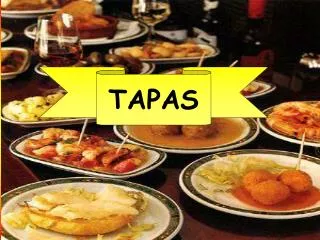
What Makes A Tapas Restaurant Truly Authentic? Tapas have become a beloved part of the global dining scene, offering a relaxed and social way to enjoy a wide range of flavours in one meal. While many restaurants claim to serve tapas, not all deliver the authenticity that defines this traditional Spanish style of eating. To understand what makes a tapas restaurant truly authentic, it's important to explore the cultural roots, culinary practices, and overall experience that come together to create something special. Authenticity starts with the spirit of sharing. Tapas were never meant to be ordered like a main course, but rather enjoyed slowly and communally, encouraging conversation and connection. A genuine tapas restaurant captures this essence, with menus designed for diners to select several small plates to share among the table, rather than focusing on individual portions. The dishes themselves reflect Spain’s rich regional diversity. From Andalusian prawns in garlic oil to Galician-style octopus and Catalan tomato bread, each region has its own take on tapas. An authentic restaurant acknowledges this variety and offers a thoughtfully curated menu that showcases both familiar staples and lesser-known regional favourites. Traditional preparation methods are another key indicator. True tapas are made using time-honoured techniques passed down through generations. Dishes like patatas bravas should be crispy on the outside and soft in the centre, with a spicy tomato sauce that’s been simmered to perfection. Croquetas should be creamy inside with a crisp, golden shell. These details may seem small, but they make a big difference to those who appreciate authentic Spanish cooking. Ingredients play a major role in achieving genuine flavour. Authentic tapas restaurants use high-quality, often imported Spanish products such as jamón ibérico, manchego cheese, and piquillo peppers. Even the olive oil and paprika used can affect the overall taste, and the best establishments take pride in sourcing ingredients that honour the dish’s origins. Simplicity is at the heart of many tapas dishes. While creativity and fusion can be enjoyable, authenticity relies on letting core ingredients shine. Dishes aren’t overloaded with garnishes or unnecessary components. Instead, they are honest and straightforward, with a focus on balance and flavour rather than visual spectacle alone. The drinks menu also contributes to the overall experience. Spanish wines, sherries, and ciders are common companions to tapas, enhancing the meal with carefully matched flavours. An authentic restaurant often features a selection of regional wines and may even serve vermouth on tap, as is common in many Spanish bars. Atmosphere is another defining feature of a true tapas experience. In Spain, tapas bars are lively and informal, with a friendly buzz of conversation, clinking glasses, and dishes arriving in no particular order. The service is often relaxed but attentive, and customers are encouraged to linger rather than rush through their meal. Recreating this vibe outside Spain requires thoughtful design, warm service, and a welcoming space that encourages diners to stay and savour. Staff knowledge is an often-overlooked element of authenticity. In a genuine tapas restaurant, servers should be familiar with the dishes, their origins, and the best way to enjoy them. They should be able to recommend pairings or suggest a selection based on a guest’s preferences. This level of care enhances the dining experience and adds a layer of cultural insight. Authentic tapas restaurants usually reflect Spanish dining customs in their opening hours. Evening service may start later, and lunch may be the heartiest meal of the day. While this might not suit every market, restaurants that adjust their flow to mirror traditional Spanish mealtimes often feel more genuine. Presentation also matters, but it’s subtle. Authentic tapas are often served on small earthenware plates, wooden boards, or rustic dishes that feel both casual and traditional. The emphasis is not on high-end plating but on the kind of unfussy presentation you'd find in a family-run bar in Seville or Madrid. Music and decor can add to the experience without being overdone. Flamenco or Spanish guitar playing softly in the background, traditional tiles, or warm Mediterranean colours can help create a setting that feels grounded in Spanish culture, rather than overly themed or artificial. Authenticity also involves respect for tradition, even when modern touches are introduced. Innovative tapas can still feel authentic if they remain true to Spanish flavour profiles and preparation styles. The balance lies in evolving without losing sight of the roots. Seasonality is another hallmark of traditional tapas. Many authentic restaurants rotate their menus based on what’s fresh and available, just as small bars in Spain adapt to what’s in season. This keeps the food vibrant and connected to nature, another key part of Mediterranean culture. Price point can be a giveaway, too. Tapas are meant to be affordable and accessible. While quality ingredients can justify a slightly higher price, a true tapas restaurant aims to offer value and variety rather than extravagance. Ultimately, authenticity comes down to respect —for the food, the culture, and the customer. It’s about creating a space where people can enjoy honest, well-prepared dishes in a warm and welcoming environment, much like the bustling tapas bars of Spain. A truly authentic tapas restaurant doesn’t just serve Spanish food — it brings a little piece of Spanish lifestyle to the table. It celebrates simplicity, community, and tradition, all while offering a culinary experience that’s both satisfying and rich in heritage. About Us El Pescador is located at the heart of Swansea Marina, offering an authentic Spanish dining experience with a modern twist. Specialising in tapas and seafood, the restaurant prides itself on its commitment to quality, sourcing both local and traditional Spanish ingredients. With panoramic views of the marina and a warm, welcoming atmosphere, El Pescador is the perfect destination for anyone looking to enjoy the true taste of Spain in the UK.