Eco-Friendly Disposable Products
0 likes | 5 Vues
Presentation Description<br><br>In this concise yet informative presentation, we explore the urgent need to transition from plastic to ecou2011friendly disposable products. Through eyeu2011opening data and practical insights, we unpack:<br><br>The Plastic Pollution Crisis: Each year, more than 400 million tonnes of plastic waste is generated globallyu2014only about 9% is recycled, and nearly 79% ends up in landfills or the environment, with dire consequences for wildlife and public health .


Eco-Friendly Disposable Products
E N D
Presentation Transcript
Sustainable Choices for a Cleaner Tomorrow Eco-Friendly Disposable Products
Introduction • Disposable products are deeply woven into our daily habits—from food packaging to single-use cutlery. Yet each year they contribute to over 400 million tonnes of plastic waste worldwide, with just 9% recycled and 79% accumulating in landfills or natural environments . • Plastics, primarily derived from fossil fuels, emit greenhouse gases during production and disposal; by 2050, global plastic output could double, further straining ecosystems • This presentation explores why transitioning to eco‑friendly disposables—like bagasse, bamboo, and paper-based alternatives—is no longer optional, but essential.
01 Eco-Friendly Products
Why Go Eco-Friendly? • 1. Alarming Global Plastic Waste Volumes • The world generates around 53 million tonnes of plastic waste each year, most of which ends up in landfills or oceans • Since 1950, over 8 billion tonnes of plastic have been produced—only about 9% has ever been recycled. • 2. Environmental & Ecological Threats • Every year, 10–14 million tonnes of plastic enter the oceans, creating floating pollution islands and threatening marine life . • Plastic debris has been found consuming wildlife—from birds and fish to deep-sea creatures—and spreading microplastics through soil and water • 3. Escalating Future Projections • Without significantintervention, plastic waste could triple by 2060, with half still landing in landfill and less than 20% recycled (oecd.org). • Continued growth in plastic production threatens to overwhelm ecosystems and waste management systems globally.
Plastic waste poses a grave threat to ecosystems, harming wildlife and contaminating natural resources. A staggering amount of plastic ends up in landfills and oceans, disrupting marine life. Shifting towards eco-friendly products can mitigate these adverse effects. Impact of Plastic Waste
02 Benefits & Usage
Environmental Advantages • Environmentally Responsible • Made from renewable, plant-based materials (e.g., bagasse, bamboo, cornstarch) and break down naturally in months—not centuries—unlike plastic Lower carbon footprint: production typically emits fewer greenhouse gases than conventional plastics • Health‑Safe & Chemical‑Free • Free from toxic additives (e.g., BPA, phthalates) found in plastic, making them safe for direct foo.d contact—even with hot/spicy dishes • Convenient & Cost‑Effective • Save on cleanup, water, and energy costs compared to washing reusable dishes—great for events or large gatherings . • Compostable items often avoid landfill disposal fees and can be added to home or industrial compost
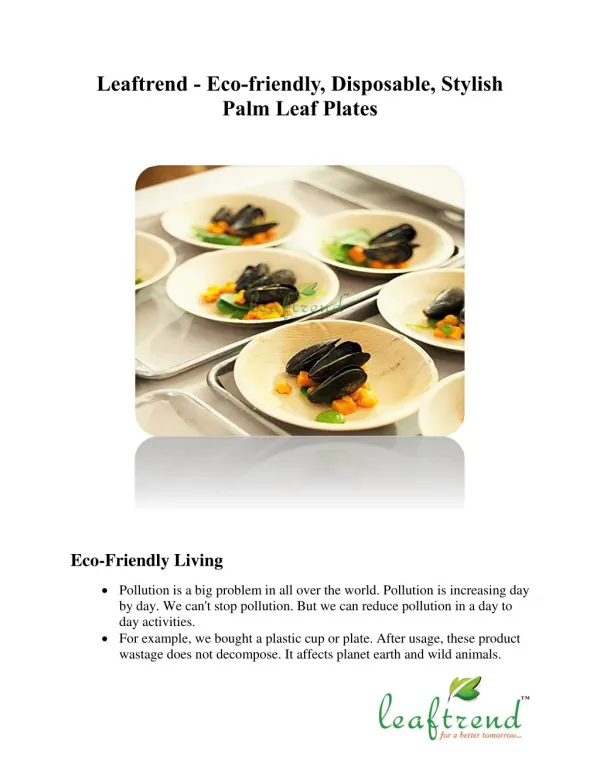
Common Usage Scenarios Eco-friendly disposable products are versatile and can be used in numerous settings. They are perfect for home gatherings, restaurants, events, and offices seeking sustainable options. Utilizing these products not only aligns with eco-conscious values but also appeals to consumers increasingly prioritizing sustainable practices.
03 Market Solutions
Challenges in Adoption Despite the growing awareness, several challenges hinder the adoption of eco-friendly disposables. Misconceptions around costs, availability, and effectiveness often lead consumers to stick with traditional plastics. Overcoming these challenges requires educating consumers about the true benefits and dispelling myths surrounding eco-friendly alternatives.
Aap Ka Bazar's Offerings Aap Ka Bazar offers a wide range of eco-friendly disposable kitchen products that cater to the everyday needs of consumers. With options like biodegradable plates, compostable bags, and bamboo utensils, shoppers in Delhi NCR can enjoy sustainable choices that don’t compromise on quality or style. Explore our collection and join the movement toward sustainability.
Thank you! Do you have any questions? AapkaBazar.co