International Freight Logistics Network
E N D
Presentation Transcript
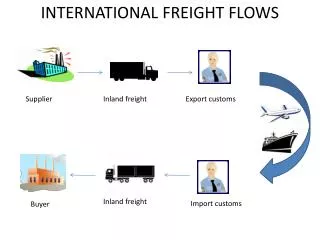
International Freight Logistics Network In today's globalized world, the efficient movement of goods across borders is vital for businesses engaged in international trade. An international freight logistics network plays a crucial role in facilitating the seamless transportation and delivery of goods from one location to another. This comprehensive article explores the various aspects of an international freight logistics network, highlighting its significance, key components, and how it can contribute to the success of businesses involved in global trade. Understanding International Freight Logistics What is an International Freight Logistics Network? An international freight logistics network refers to the intricate system of processes, infrastructure, and resources involved in the transportation, storage, and distribution of goods across different countries and regions. It encompasses a wide range of activities, including freight forwarding, customs clearance, warehousing, transportation management, and supply chain optimization. By efficiently managing these operations, a robust international freight logistics network ensures that goods reach their intended destinations in a timely, cost-effective, and secure manner. The Significance of International Freight Logistics Efficient international freight logistics is crucial for businesses that rely on global supply chains. It enables companies to overcome geographical barriers, access new markets, and source materials or products from around the world. A well-established logistics network can provide numerous benefits, including: Enhanced Supply Chain Efficiency: An effective international freight logistics network optimizes supply chain operations, streamlines processes, and minimizes bottlenecks, resulting in improved efficiency and reduced lead times. Cost Reduction: By implementing efficient transportation routes, consolidating shipments, and leveraging economies of scale, businesses can achieve significant cost savings in their logistics operations.
Inventory Management: An integrated logistics network allows for better inventory management, ensuring that stock levels are optimized and products are readily available to meet customer demand. Risk Mitigation: A robust logistics network helps mitigate risks associated with transportation delays, disruptions, or unforeseen events by providing alternative routes and contingency plans. Customer Satisfaction: Reliable and timely delivery of goods is essential for customer satisfaction. An efficient logistics network ensures that products are delivered on time, fostering positive customer experiences and building long-term relationships.a