Catalytic converter
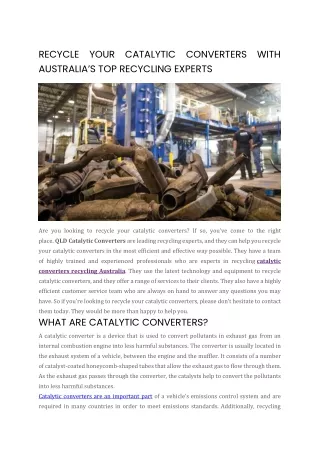
A catalytic converter is an important component of a vehicleu2019s exhaust system that helps reduce harmful emissions released into the air.


Catalytic converter
E N D
Presentation Transcript
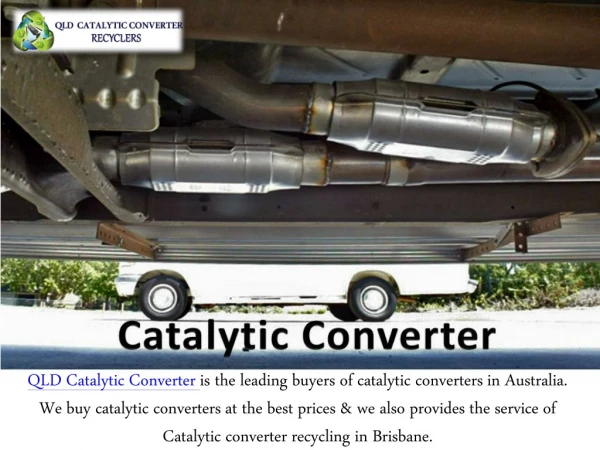
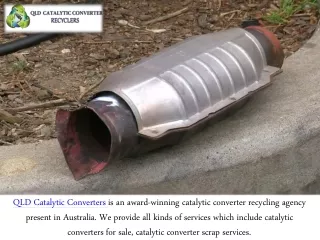
Catalytic Converter A catalytic converter is a critical device in a vehicle’s exhaust system, installed between the engine and the muffler. Its main purpose is to clean the harmful exhaust gases produced by the engine — turning toxic chemicals into less harmful substances before they exit the tailpipe. Specifically, it converts pollutants such as carbon monoxide (CO), hydrocarbons (unburned fuel), and nitrogen oxides (NOₓ) into safer gases like carbon dioxide (CO₂), water vapor (H₂O), and nitrogen (N₂). How a Catalytic Converter Works ● Inside the catalytic converter is a ceramic or metallic honeycomb substrate that greatly increases surface area for gases to react. ● This substrate is coated with precious metals — such as platinum, palladium, and rhodium — which act as catalysts. These metals help accelerate the chemical reactions that convert harmful gases into harmless ones. ● As hot exhaust gases pass through the converter, three main reactions take place: ○ Oxidation of carbon monoxide (CO) to carbon dioxide (CO₂) ○ Oxidation of hydrocarbons into water vapor and CO₂ ○ Reduction of nitrogen oxides (NOₓ) into nitrogen and oxygen or nitrogen and CO₂, depending on reaction conditions Thanks to this process, the converter helps dramatically lower vehicle emissions — a major step in reducing air pollution and meeting environmental regulations. Why Catalytic Converters Matter — For Environment & Health Vehicles emit toxic gases and pollutants every time they run. These pollutants contribute to air pollution, smog formation, respiratory problems, acid rain, and other environmental and health hazards. By using catalytic converters, modern vehicles greatly reduce these harmful emissions protecting air quality, public health, and helping meet legal emissions standards worldwide.
Moreover, a functioning converter ensures legal compliance: many countries mandate emission-control devices for vehicles, and removing or tampering with a catalytic converter can lead to legal penalties. What Catalytic Converters Are Made Of & Their Structure A typical catalytic converter consists of: ● Honeycomb substrate: made of ceramic (or sometimes metal), with many tiny channels to maximize surface area for reactions. ● Washcoat + catalyst metals: the substrate is coated with a washcoat that holds the catalyst — typically platinum, palladium, and rhodium. These metals are not consumed during the reactions but facilitate the conversion of exhaust gases. ● Steel shell / casing: protects the interior. There may also be heat shields, cushioning mats to secure the substrate, and sensor interfaces (e.g. oxygen sensors) as part of the exhaust-management system. Because of the precious metals inside, catalytic converters are relatively expensive and unfortunately sometimes targeted for theft. Common Problems, Lifespan & Maintenance ● Typical Lifespan: Most catalytic converters are designed to last many years — often 100,000 miles (~ 7–10 years or more) — depending on how well the engine is maintained and the quality of fuel used. ● Signs of Failure: These may include decreased engine power, poor acceleration, a “rotten-egg” smell (sulfur odor) from exhaust, reduced fuel efficiency, or the “check engine” light coming on. ● Causes of Damage: Problems like engine misfires, leaking oil or coolant, using incorrect or low-quality fuel (especially with high sulfur content), or physical damage to the exhaust system can harm the converter’s effectiveness. Regular maintenance of your vehicle’s engine, prompt repair of exhaust leaks, and using proper quality fuel are key to keeping the catalytic converter functioning well. Theft Risk and Why Catalytic Converters Are Targeted
One downside — because catalytic converters contain valuable precious metals (platinum, palladium, rhodium) — they’re a frequent target for theft. Thieves can sometimes remove them quickly from underneath a vehicle, especially cars or SUVs with high ground clearance. A stolen converter isn’t just a financial loss — it disables your vehicle’s emissions control, which can lead to legal issues, failed inspections, increased pollution, and significant repair costs. Because of this, many experts recommend parking in well-lit areas, installing protective shields or cages, and engraving vehicle identification numbers (VIN) on converters to deter theft. Conclusion The catalytic converter as explained on thecatalyticconverter.com is far more than just a part of your exhaust system. It’s a vital environmental safeguard, an essential emissions-control device, and a legal necessity in modern vehicles. Proper functioning of the catalytic converter helps reduce harmful pollutants, protect air quality, and preserve public health. At the same time, because of its precious-metal content, it’s also vulnerable to theft and damage which makes regular maintenance and preventive care important. So whether you’re a vehicle owner or just interested in how cars affect the environment understanding and maintaining your catalytic converter matters.