High-Performance Embedded Software Development for Robotics
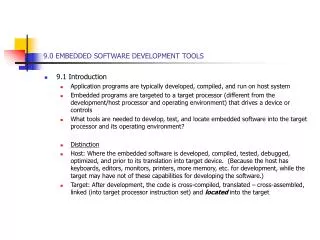
In the rapidly advancing world of robotics, the demand for high-performance embedded systems is growing. Embedded systems serve as the backbone of robotic devices, enabling them to perform complex tasks autonomously.


High-Performance Embedded Software Development for Robotics
E N D
Presentation Transcript
High-Performance Embedded Software Development for Robotics
Introduction In the rapidly advancing world of robotics, the demand for high-performance embedded systems is growing. Embedded systems serve as the backbone of robotic devices, enabling them to perform complex tasks autonomously. Whether it's in industrial automation, healthcare, or consumer products, high-performance embedded software plays a critical role in ensuring the success and reliability of robotic solutions. This document explores the nuances of high-performance embedded software development for robotics, delving into the essential factors, tools, and services that contribute to this field's success.
The Role of Embedded Software in Robotics At the heart of any robotic system lies its embedded software. This software is responsible for controlling hardware components such as sensors, actuators, and processors, facilitating the robot's interaction with its environment. Unlike general-purpose computing systems, embedded software in robotics must be optimized for performance, reliability, and real-time execution. Robotics applications often involve tasks that require strict timing and control, such as motion control, path planning, and real-time decision-making. Therefore, designing software that meets these stringent requirements is paramount.
High-Performance Requirements for Embedded Software in Robotics High-performance embedded software is defined by its ability to perform complex computations quickly and efficiently, often under real-time constraints. Robotics, particularly in autonomous systems, requires embedded software that can process large amounts of data from sensors, make split-second decisions, and act in response to dynamic environments. For example, in robotic arms, the software must control movements with precision and synchronize actions across multiple actuators simultaneously.
Key Challenges in Embedded Software Development for Robotics Developing embedded software for robotics is not without its challenges. One of the biggest hurdles is the need for real-time processing. Unlike general software applications, robotics systems often require instant responses to environmental changes. A delay of even a few milliseconds can cause a failure in task execution. As a result, embedded software must be meticulously optimized for both speed and accuracy.
The Role of Embedded Linux in Robotics An increasing number of robotics applications are leveraging Embedded Linux Development Services due to the flexibility, scalability, and cost-effectiveness of the Linux operating system. Linux, being open-source, offers developers the ability to customize the OS to meet the specific needs of robotic applications. It also provides robust support for a wide range of hardware platforms and a wealth of development tools, making it a preferred choice for many embedded systems.
Conclusion The development of high-performance embedded software for robotics is a complex but rewarding endeavor. With robotics applications spanning diverse industries, the demand for reliable, efficient, and real-time embedded systems continues to grow. To meet these challenges, developers rely on cutting-edge tools, frameworks, and expertise, such as Embedded Software Development Services and Embedded Linux Development Services, to design and implement systems that are both powerful and efficient.