ELECTRICAL CABLE
E N D
Presentation Transcript
HOW TO SAFELY INSTALL AND MANAGE ELECTRICAL CABLES IN YOUR HOME
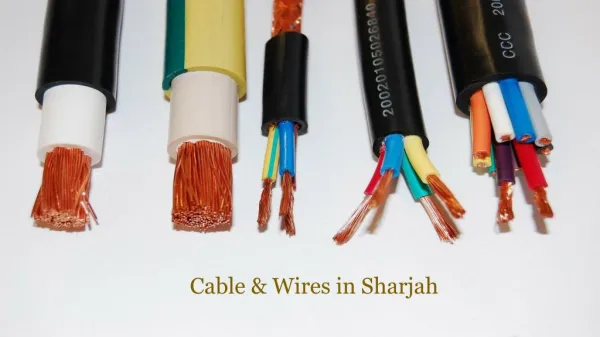
UNDERSTANDING ELECTRICAL CABLES TYPES OF ELECTRICAL CABLES Non-Metallic Sheathed Cable (NM): Commonly used for general electrical wiring in residential buildings. Armored Cable (AC): Provides extra protection with a flexible metal sheath, suitable for areas where cables may be exposed to physical damage. Metal-Clad Cable (MC): Similar to AC, but with a more rigid metal sheath, often used in commercial and industrial settings. Direct Burial Cable: Designed for underground installation without the need for conduit. Coaxial Cable: Used for cable TV, internet, and other communication applications. CABLE COMPONENTS Conductor: Carries the electrical current, usually made of copper or aluminum. Insulation: Protects the conductor from contact with other conductive materials. Sheath: Provides additional protection and insulation for the cable. Jacket: Outermost layer that protects the cable from moisture, chemicals, and physical damage.
SAFETY PRECAUTIONS WORKING WITH ELECTRICITY Always turn off the power supply before working with electrical cables. Use insulated tools and wear rubber gloves to protect yourself from electric shocks. Avoid working in wet conditions or with wet hands to prevent electrical accidents. PREVENTING ACCIDENTS Keep electrical cables away from water sources to prevent electrocution. Use cable clips or cable ties to secure cables and prevent tripping hazards. Do not overload electrical outlets or extension cords to prevent overheating and electrical fires. 02
PLANNING THE INSTALLATION CABLE ROUTING LOAD CAPACITY Calculate the expected electrical load to determine the appropriate cable size and capacity. Consult local electrical codes and regulations to ensure compliance with safety standards for load capacity. Determine the most efficient and safe route for the electrical cables, considering factors such as proximity to power sources, accessibility, and potential obstructions. Plan for cable runs that minimize the risk of damage from environmental factors and accidental contact. 01 LOAD CAPACITY Familiarize yourself with local safety regulations and requirements for electrical cable installation. Ensure proper grounding and insulation to prevent electrical hazards. Use appropriate safety equipment and follow best practices for safe installation.
CONNECTING THE CABLES Start by identifying the type of cable you are working with. Common types include: Romex cable: Used for general electrical wiring. BX cable: Armored cable used for heavy-duty applications. THHN cable: Used for conduit wiring. Strip the outer sheathing of the cable using a cable stripper or utility knife. Be careful not to damage the insulation of the individual wires. Separate the individual wires and strip about 1/2 inch of insulation from the ends. Connect the wires to the appropriate terminals or connectors: Black (hot) wire to the brass or gold terminal. White (neutral) wire to the silver terminal. Green or bare wire (ground) to the green terminal or grounding screw. Use wire connectors or wire nuts to secure the connections. Twist the wires together clockwise and cover the connection with a wire nut. Once all the connections are made, carefully fold the wires back into the electrical box. Secure the cables to the electrical box using cable clamps or staples. Make sure the cables are not pinched or damaged. Finally, test the connections using a circuit tester to ensure they are properly wired and functioning. Remember, if you are not comfortable working with electrical wiring, it is always best to hire a licensed electrician for the job.
TESTING AND TROUBLESHOOTING CONTINUITY TESTING VOLTAGE TESTING GROUND FAULT TESTING Use a multimeter to check for continuity in the electrical cables. Ensure there is a complete path for the flow of electricity. Measure the voltage across the electrical cables to ensure proper functioning. Use a multimeter to check for the presence of voltage. Test for ground faults in the electrical cables. Use a ground fault circuit interrupter (GFCI) to detect and prevent electrical shocks. GROUND FAULT TESTING Check for loose connections and tighten them if necessary. Inspect for damaged cables and replace them if needed. Reset circuit breakers and replace blown fuses.
MAINTENANCE AND UPKEEP CLEANING REGULAR INSPECTIONS KEEP YOUR ELECTRICAL CABLES CLEAN AND FREE FROM DUST AND DEBRIS. USE A SOFT, DRY CLOTH TO GENTLY WIPE DOWN THE CABLES. AVOID USING WATER OR ANY LIQUID CLEANERS, AS THEY CAN DAMAGE THE INSULATION AND POSE A SAFETY RISK. CONDUCT REGULAR INSPECTIONS OF YOUR ELECTRICAL CABLES TO CHECK FOR ANY SIGNS OF DAMAGE OR WEAR AND TEAR. LOOK FOR FRAYED OR DAMAGED INSULATION, EXPOSED WIRES, OR LOOSE CONNECTIONS. IF YOU NOTICE ANY ISSUES, IT IS IMPORTANT TO ADDRESS THEM PROMPTLY TO PREVENT FURTHER DAMAGE OR POTENTIAL SAFETY HAZARDS. ADDRESSING WEAR AND TEAR IF YOU NOTICE ANY SIGNS OF WEAR AND TEAR, SUCH AS CRACKED OR BRITTLE INSULATION, IT IS IMPORTANT TO ADDRESS THEM IMMEDIATELY. REPLACE ANY DAMAGED CABLES OR CONSULT A PROFESSIONAL ELECTRICIAN FOR ASSISTANCE. DO NOT ATTEMPT TO REPAIR OR MODIFY ELECTRICAL CABLES YOURSELF, AS IT CAN BE DANGEROUS AND MAY VOID ANY WARRANTIES.