Download
1 / 4
40 likes | 57 Vues
While herbal extracts in skin creams and oils are probably safe and beneficial, research demonstrates that many Ayurvedic advantages and herbal supplements come with significant levels of heavy metals. Herbal supplements can mix with your prescriptions, and they aren't always safe. If you're pregnant or nursing, taking drugs, have a chronic illness, or are an older adult, don't use herbs. Consult your physician beforehand.

E N D
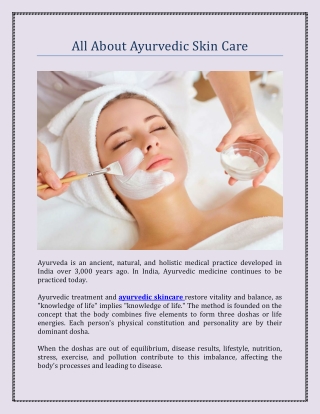
All About Ayurvedic Skin Care Ayurveda is an ancient, natural, and holistic medical practice developed in India over 3,000 years ago. In India, Ayurvedic medicine continues to be practiced today. Ayurvedic treatment and ayurvedic skincare restore vitality and balance, as "knowledge of life" implies "knowledge of life." The method is founded on the concept that the body combines five elements to form three doshas or life energies. Each person's physical constitution and personality are by their dominant dosha. When the doshas are out of equilibrium, disease results, lifestyle, nutrition, stress, exercise, and pollution contribute to this imbalance, affecting the body's processes and leading to disease.
Ayurveda treatments include purification, herbal remedies, diet, yoga, meditation, and massage to replenish the life force. The idea is to assist your body in the following ways: Eliminate pollutants, toxins, and trash. Reduce stress and increase disease resistance Restore harmony and balance. Ayurveda's Opinion on Skin Doshas, moisture, circulation, and metabolism are just a few of the essential ideas in Ayurvedic medicine. Dosha. Vata, pitta, and Kapha are the three doshas. Your underlying dosha remains constant throughout your life, but a lifestyle, diet, and pollution might cause an increase in other doshas; This can result in skin problems. According to the doshas, skin is: Vata: it's dry, cracked, and chilly, and it ages quickly. Pitta: fair, thin, and sensitive, with a penchant for acne, moles, and freckles; ages slowly. Kapha: normal or oily skin that is clear, smooth, and firm and ages slowly. Metabolism. Agni is your body's digestive fire, which converts food into energy and controls all of your body's chemical and hormone processes, including your skin. Proper metabolism is necessary for healthy skin. Circulation. Good blood and nutrient circulation, proper waste, and impurity are essential for healthy skin. Ama is a buildup of metabolic garbage that can clog the skin and cause difficulties. Moisture. Moisture balance is essential for healthy skin. Which Ayurvedic Skin Treatments Are Most Effective? All of these elements play a role in Ayurvedic therapy. To encourage good skin, you'll need to change your lifestyle, nutrition, stress, and exercise under this approach.
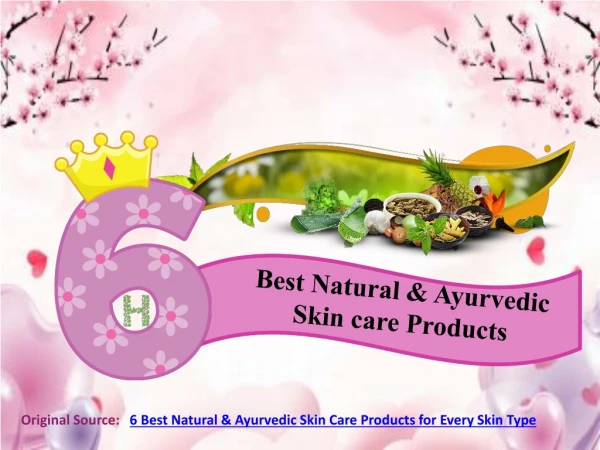
Ayurvedic skincare also includes a practice that targets your dominant dosha; This is similar to how you would utilize products for your skin type in Western medicine. Because Vata skin is dry and prone to aging, you should use: Products that are nourishing Products that keep you hydrated Anti-aging creams Massage with warm oil Moisturizer with natural ingredients Pitta skin is sun-sensitive, and moles and freckles are common. You ought to: Sun protection is essential. Avoid getting a tan. Exfoliating too much can be harmful. Do not use hot water or steam. Use face oil daily. Although it can be oily, Kapha skin is typical, clear, and balanced. To maintain the health of your Kapha skin, do the following: Every day, give yourself a warm oil massage. Use a light exfoliant to clean your skin. Which Ayurvedic Herb Is Beneficial to the Skin? Skincare includes essential oils, face oils, herbal extracts, and fruit extracts. Herbs and oils can be used in a variety of ways, such as: Anti-aging. Specific elements in Ayurvedic anti-aging treatments nourish the skin and promote youthfulness. These frequently include: Indian gooseberry, high in vitamin C, Brightening Gotu kola, can help your skin generate collagen. Ayurveda considers glowing skin to be healthy and youthful. Plants that brighten the skin and reduce ama (metabolic waste) buildup should be used. These are some of them:
Vetiver Sandalwood Sarsaparilla (Indian sarsaparilla) Gotu kola (Indian sarsaparilla) Anti-inflammatory. Inflammation of the skin can be caused by pollution, sunshine, chemicals, stress, and allergens. Anti-inflammatory herbs can aid with skin protection. Herbs that are commonly used include: Frankincense Aloe vera A cotton tree made of silk Wound healing with roses. Gotu kola is also used to treat wounds and may aid in treating eczema, psoriasis, and scarring. Considerations While herbal extracts in skin creams and oils are probably safe and beneficial, research demonstrates that many Ayurvedic advantages and herbal supplements come with significant levels of heavy metals. Herbal supplements can mix with your prescriptions, and they aren't always safe. If you're pregnant or nursing, taking drugs, have a chronic illness, or are an older adult, don't use herbs. Consult your physician beforehand. Referenced By: https://www.skind.earth/blogs/news/all-about-ayurvedic- skin-care