Download

1 / 7
0 likes | 0 Vues
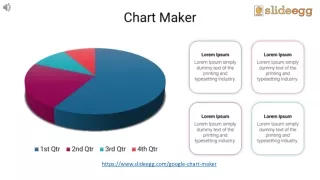
Using the right Infographic presentations Templates helps presenters communicate information more effectively. A suitable template should include clean design elements, balanced colors, readable fonts, and structured sections for data and visuals. These features help simplify information and keep audiences engaged throughout the presentation. Infographic presentations Templates also make it easier to organize content logically and present ideas step by step.

E N D
What to Consider When Choosing Infographic Presentations Templates? Visual communication has become an essential part of modern presentations. Whether the goal is to explain data, simplify processes, or communicate ideas quickly, infographic-based slides help audiences understand information with ease. This is why Infographic presentations Templates are widely used across business, education, marketing, and training environments. However, not all templates deliver the same impact. Choosing the right one requires careful evaluation of design quality, structure, usability, and relevance. Knowing what to consider before selecting a template helps ensure your presentation is clear, engaging, and professional. Understanding the purpose of your presentation The first step in choosing any template is understanding the purpose of your presentation. Infographic slides can be used for reports, proposals, training sessions, or awareness presentations. A template designed for marketing storytelling may not suit a data-heavy business report. Clarifying whether your goal is to inform, persuade, compare, or summarize helps you select Infographic presentations Templates that match your content intent and audience expectations. Audience clarity and presentation context Different audiences respond to visuals differently. A corporate audience usually prefers clean, minimal, and structured layouts, while academic or educational audiences may need step-by-step visuals and clear labels. When selecting templates, consider the knowledge level, interests, and expectations of your audience. Templates that align with audience needs improve understanding and engagement without requiring extra explanation. Clean and organized layout structure One of the most important considerations is layout clarity. Infographic presentations Templates should organize information logically, guiding viewers from one point to the next. Well-spaced sections, aligned elements, and balanced layouts reduce confusion. Avoid templates that appear crowded or overly decorative, as they can distract from the message and reduce comprehension. Visual hierarchy and information flow Effective infographic templates follow a clear visual hierarchy. Headings, subpoints, icons, and data visuals should be arranged in a way that naturally leads the viewer’s eye through the slide.
Strong hierarchy ensures that key points stand out and supporting information remains easy to follow. This is especially important when presenting complex ideas or multi-step processes. Consistency across slides Consistency plays a vital role in professional presentations. Templates should maintain uniform fonts, color schemes, icon styles, and spacing across all slides. Consistent design builds trust, improves readability, and helps audiences focus on content rather than adjusting to visual changes. Inconsistent layouts may make presentations appear unstructured or unpolished. Customization flexibility Customization is essential for adapting templates to your specific content and brand needs. Infographic presentations Templates should allow easy editing of text, colors, shapes, and icons. Flexible templates enable you to tailor visuals without breaking the design structure. Editable charts and modular elements are especially useful when presenting different types of data or updating content regularly.
Readable typography Typography directly affects how information is received. Templates should use clear, professional fonts that are easy to read on both large screens and digital devices. Proper font size hierarchy between headings and body text ensures clarity. Avoid templates that rely heavily on decorative fonts, as they may reduce readability and distract from key messages.
Balanced use of color Color plays a significant role in infographic effectiveness. Good templates use a limited, well-balanced color palette that supports clarity rather than overwhelming the slide. High contrast between text and background improves readability, while accent colors help highlight key points. Consistent color usage also improves visual harmony throughout the presentation. Support for data visualization Infographics are especially useful for presenting data. Templates should include well-designed charts, graphs, timelines, and comparison layouts. Visual elements must make data easy to interpret without oversimplifying or misrepresenting information. Infographic presentations Templates that offer multiple visualization styles allow presenters to choose the most effective format for their message. Icon and illustration quality Icons and illustrations should be simple, consistent, and relevant. High-quality visuals help explain ideas quickly and reduce reliance on text. Templates with cohesive icon styles maintain a professional appearance and support visual storytelling. Avoid templates that mix unrelated icon designs or overly complex illustrations. Content scalability and slide variety A strong template should support both short and long presentations. Look for designs that offer a variety of slide layouts, such as introduction slides, comparison charts, timelines, process flows, and summary sections. This variety helps maintain interest while ensuring consistency across all slides. Ease of content replacement Templates should allow quick and easy replacement of placeholder text and visuals. Efficient editing saves time and allows presenters to focus on refining content rather than adjusting design elements. User-friendly templates are especially helpful for teams that update presentations frequently. Compatibility with presentation tools Ensure the template works smoothly with your preferred presentation software. Compatibility issues can cause formatting errors or design inconsistencies. Templates optimized for common tools reduce technical challenges and ensure smooth presentation delivery across devices and platforms. Minimal and purposeful animations
Animations can enhance engagement when used carefully. Templates should include subtle transitions or animation options that support the message without distraction. Overuse of animation may appear unprofessional and divert attention from content, especially in business or academic settings. Alignment with branding needs For organizations and professionals, branding consistency matters. Infographic presentations Templates should allow easy integration of logos, brand colors, and fonts. Templates that adapt well to branding requirements help maintain a unified visual identity across all presentations. Accessibility considerations Accessibility ensures presentations are inclusive and easy to understand for all viewers. Templates with clear contrast, legible text, and logical structure support diverse audiences. Accessible design improves overall communication and ensures that key information is not lost. File size and performance efficiency Large files can slow down presentations and cause technical issues, especially during virtual meetings. Templates optimized for performance ensure smooth transitions and quick loading times. Efficient design supports seamless delivery without interruptions. Reusability for future projects Templates that can be reused across multiple presentations offer long-term value. Infographic presentations Templates designed with flexibility and adaptability can support different topics while maintaining a consistent visual style. Reusability saves time and improves productivity. Cost effectiveness and licensing clarity Before selecting a template, review licensing terms and usage permissions. Ensure the template allows use across intended projects or platforms. Cost-effective templates that offer quality design and flexibility provide better value over time. Modern design relevance Design trends evolve, and outdated visuals can reduce credibility. Choose templates that reflect modern design standards, such as clean layouts, flat icons, and balanced spacing. Contemporary design helps presentations appear current and professional. Supporting clarity in complex topics
Infographics are especially effective for simplifying complex information. Templates should help break down ideas into visual steps, comparisons, or summaries. Clear structure and thoughtful visuals improve understanding and retention. Encouraging audience engagement Well-designed templates support engagement by making content visually appealing and easy to follow. When audiences understand information quickly, they are more likely to stay focused and interact with the presentation. Confidence in presentation delivery Using a reliable template reduces preparation stress and increases presenter confidence. When visuals are clear and professional, presenters can focus more on delivery and communication rather than design concerns. Supporting storytelling through visuals Infographics are powerful storytelling tools. Templates that guide content flow help presenters tell a clear and logical story. Structured visuals reinforce key messages and improve overall impact. Adapting to different presentation formats Presentations may be delivered in person, online, or as shared documents. Templates that work well across formats ensure consistency and readability in different environments. Long-term presentation efficiency Investing time in choosing the right template improves long-term efficiency. High-quality templates reduce redesign needs and support consistent messaging across multiple presentations. Conclusion Choosing the right Infographic presentations Templates requires thoughtful evaluation of layout, clarity, customization, and audience needs. Templates that balance visual appeal with structure help transform complex information into clear and engaging stories. By focusing on readability, data visualization, consistency, and flexibility, presenters can create slides that communicate effectively and professionally. For business users seeking visual clarity and impact, it is also helpful to explore insights shared in Why Infographic Presentation Templates Are Ideal for Business Presentations?, which explains how structured visuals strengthen professional communication. When supported by reliable design resources such as SlidesBrain, the right template becomes a valuable tool for delivering meaningful and memorable presentations.