Integrating PHP with Modern Frontend Technologies INFO
Integrating PHP with modern frontend technologies is critical for creating dynamic and interactive websites that smoothly combine backend operations with compelling user interfaces. PHP, well-known for its server-side capabilities, serves as the foundation for data processing, business logic management, and database communication.

Integrating PHP with Modern Frontend Technologies INFO
E N D
Presentation Transcript
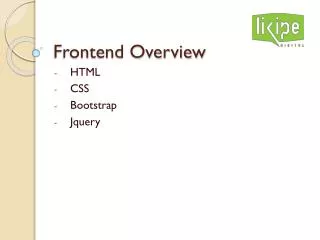
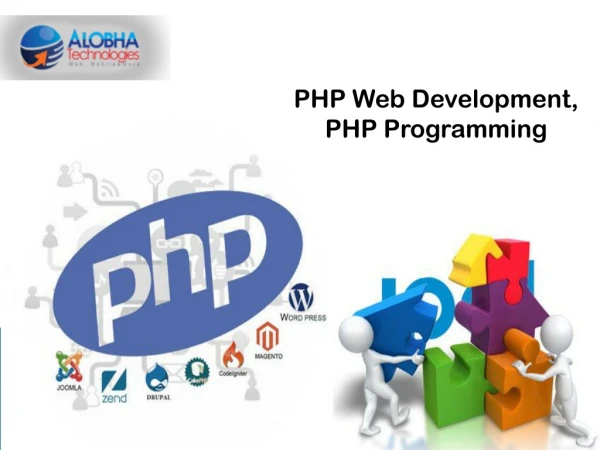
INTEGRATING PHP WITH MODERN FRONTEND TECHNOLOGIES: Creating Seamless Websites INTRODUCTION Integration of PHP with modern frontend technologies is essential for creating websites that blend backend operations seamlessly with engaging user interfaces. PHP, renowned for its server-side capabilities, forms the backbone for data processing, business logic management, and communication with databases. Combining PHP with modern frontend frameworks like React.js or Vue.js enables developers to build robust online applications with features such as real-time updates, responsive layouts, and intuitive user experiences. WHY INTEGRATE PHP WITH MODERN FRONTEND TECHNOLOGIES: DYNAMIC CONTENT GENERATION: PHP excels at generating dynamic content on the server, enabling personalized and data-driven websites. SERVER-SIDE PROCESSING: PHP efficiently handles server-side processing, including form validation, database transactions, and file manipulation, ensuring secure operations. VAST ECOSYSTEM: With a wide array of libraries, frameworks, and tools, PHP provides developers with ample resources to accelerate backend development. RICH FRONTEND EXPERIENCES: Combining PHP with modern frontend frameworks like React.js or Vue.js enables the creation of engaging user experiences that enhance engagement and usability. Asynchronous Communication: Techniques such as AJAX and fetch API enable asynchronous communication between PHP backend and frontend components, resulting in faster page loading and increased responsiveness. RESTful API Development: PHP simplifies the creation of RESTful APIs, allowing smooth communication between frontend components and backend services, and fostering modular and scalable application design. Code Reusability: Integrating PHP with frontend technologies promotes code reuse and modularity, streamlining development and maintenance processes. Comprehensive Development Ecosystem: PHP frameworks like Laravel, Symfony, and CodeIgniter offer comprehensive backend development capabilities, improving productivity and code quality with built-in tools for routing, authentication, and database administration. HOW TO INTEGRATE PHP? Project Setup: Organize project directories to include backend (PHP) and frontend components separately. Choosing Frontend Framework or Library: Select a suitable frontend framework or library such as React.js, Vue.js, or Angular. Establishing Communication: Use techniques like AJAX and fetch API to enable asynchronous communication between PHP scripts and frontend components. Implementing RESTful APIs: Develop RESTful APIs in PHP to expose backend functionality to front-end interfaces. www.techosquare.com | +91 (172) 4639432