Download

1 / 5
0 likes | 0 Vues
Explore the impact of robotics on automation and discover how robotic automation enhances efficiency, precision, safety, and productivity across industries, helping businesses achieve smarter, faster, and more reliable operations.<br>

E N D
The Impact Of Robotics On Automation Automation has transitioned into a fundamental element driving operational excellence in industries worldwide. As companies encounter mounting pressure to adhere to stricter deadlines, uphold consistent quality, and address workforce shortages, robotics has surfaced as a groundbreaking solution. Modern robots are engineered to execute repetitive, high-precision, or dangerous tasks with unparalleled efficiency. Their incorporation into industrial settings is transforming production systems, enhancing safety, lowering costs, and allowing businesses to expand with assurance. Robotics serves as a vital component of automation as it merges speed, intelligence, and reliability – attributes that conventional manual methods cannot replicate. Ranging from material handling and assembly to inspection and warehousing, robots are assisting industries in reconfiguring their workflows and gearing up for the forthcoming phase of digital transformation. The evolution of robotics in industrial automation Robotics has experienced an extraordinary evolution in recent decades. Initially, industrial robots were inflexible, complicated, and costly to run, which limited their use to large manufacturers with consistent, high-volume production lines. In contrast, today’s robots are significantly different. Modern systems are more versatile, user-friendly, and economical. Collaborative robots (cobots), for
instance, are engineered to operate safely alongside human workers without requiring protective enclosures. Autonomous mobile robots (AMRs) intelligently navigate factory environments, while vision-guided systems conduct inspections that previously demanded highly skilled human intervention. Robotic automation, combined with intelligent automation, is transforming contemporary manufacturing, enabling factories to achieve higher precision, flexibility, and productivity than ever before. These innovations have made automation accessible to small and medium-sized enterprises that once considered robotics beyond their reach. The transition from fixed automation to flexible, intelligent robotics has profoundly transformed how companies structure their operations. Robots can now be reprogrammed swiftly, integrated with software systems effortlessly, and utilized across various processes with minimal downtime. The importance of robotics in automation Industries are rapidly enhancing their automation initiatives for various reasons. At the heart of this movement, robotics enables organizations to achieve stability, scalability, and cost-effectiveness in fiercely competitive environments. Addressing the shortage of manual labour: Industries are facing increasing shortages of workers willing to undertake repetitive, physically demanding, or hazardous jobs. Robots can bridge these gaps, allowing current teams to concentrate on more valuable tasks. Guaranteeing consistency and quality: Robots provide repeatable accuracy. Whether they are assembling small parts or inspecting completed products, their reliability leads to fewer defects and more dependable outcomes. Coping with increasing operational pressures: Shorter product cycles, heightened customization requirements, and escalating competition necessitate quicker and more adaptable production systems – capabilities that robotics can support effectively. Fostering resilience: Robots help reduce disruptions caused by labour fluctuations, fatigue, absenteeism, and human mistakes, facilitating predictable and stable operations. The key benefits of robotics in automation
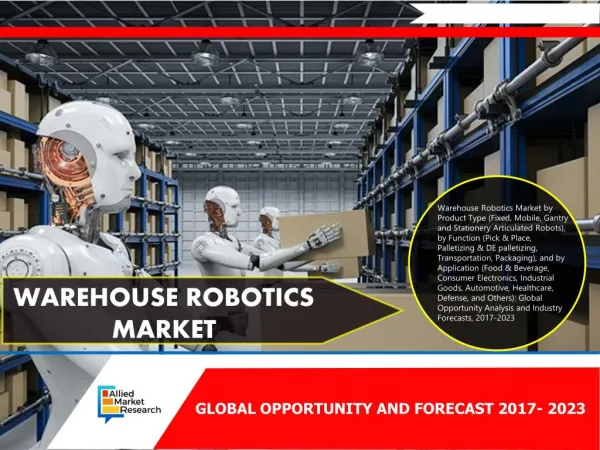
Robotics offers powerful advantages across modern industrial environments, helping businesses work faster, safer, and more efficiently while improving quality, reducing costs, and enabling flexible, high-performance automation. Enhanced accuracy: Tasks that require precise movements, such as assembly or inspection, greatly benefit from the accuracy of robots. Increased throughput and productivity: Robots function continuously and maintain a consistent speed, which allows for quicker prod,uction cycles and greater output. Increased operational flexibility: They can be reprogrammed to handle a variety of tasks, accommodating both high-volume and customized production requirements. Reduced operational costs: With fewer mistakes, reduced waste, and less reliance on human labour, the long-term savings are significant. Improved safety: Robots reduce human exposure to hazardous environments, chemicals, or tasks that involve high heat. Where robotics creates the most significant impact in automation Robotics adds value across a wide range of industrial processes. Below are the primary areas where it has the most transformative effect. Material handling and logistics Material handling is a physically intensive task, and robotics aids in streamlining this process by transporting materials, moving components, and overseeing warehouse operations. Autonomous mobile robots traverse factory floors using sensors to ensure a continuous flow of materials, thereby eliminating bottlenecks and minimizing injury risks while greatly enhancing efficiency for industries that rely heavily on inventory or are time-sensitive. Assembly and production line operations Contemporary production lines require precision, speed, and adaptability. Robots facilitate this by executing precise assembly tasks such as component insertion, micro-assembly, and screwdriving with consistent torque. Their capability to switch between different product variants through quick reprogramming makes them well-suited for industries that produce customized or frequently updated product lines. Quality inspection and testing
Quality inspection necessitates high precision, and robotics improves this through vision-guided systems that identify defects that are not visible to the human eye. Robots measure dimensions, check finishes, and perform functional testing. Automated inspection lowers rejection rates, guarantees consistent quality, and offers valuable data for traceability, compliance, and ongoing process enhancement. Packaging Packaging demands speed and uniformity, and robots are adept at picking products from conveyors, filling cartons, sealing packages, and stacking pallets. Their fatigue-free accuracy boosts throughput and consistency in packaging. With robots managing repetitive tasks, workers can concentrate on supervision, optimization, and higher-value responsibilities, thereby enhancing overall productivity and workplace efficiency. Implementing robotics in your facility Successful automation requires more than purchasing robots; it demands thoughtful planning, seamless integration, workforce readiness, and continuous optimisation to ensure long-term efficiency, reliability, and maximum return on investment. Evaluating current processes: Industries should start with a comprehensive assessment of their workflows. Recognizing repetitive, hazardous, or precision-critical tasks is essential to identify where robotics can make the most significant difference. Selecting the right robotic solution: Various tasks demand different robotic systems. Collaborative robots are perfect for confined spaces, whereas articulated robots are suited for heavy-duty tasks. The crucial factor is to choose technology that aligns with your operational objectives. Integration with current systems: Robots need to function seamlessly with other machinery, software platforms, and safety systems. Effective integration facilitates smoother workflows and reduces downtime during transitions. Workforce training: Employees must receive training on how to operate and work alongside robotic systems. This enhances adoption, minimizes errors, and promotes a culture of ongoing improvement. Performance monitoring and optimization: Industries should consistently monitor cycle times, productivity rates, and downtime. These metrics are
vital for refining robotic workflows and ensuring optimal return on investment. Robotics is redefining modern automation, allowing industries to operate more quickly, safely, and efficiently. By handling repetitive, dangerous, and precision- oriented tasks, robots liberate human employees to concentrate on creativity, problem-solving, and strategic decision-making. However, successful execution necessitates meticulous planning, smooth integration, and ongoing performance evaluation to guarantee long-term advantages. Partnering with seasoned providers like Themis Automation helps businesses to deploy effective robotic automation solutions customized to their unique workflows. From system design and implementation to training and optimization, these partnerships facilitate smoother integration, increased productivity, and maximized return on investment. Read more article: The Impact Of Robotics On Automation