
1 / 36
360 likes | 384 Vues
5 Tips to know before you start planning your budget<br>

E N D
November 15, 2021 ZOOMABROAD'S BUDGET PLANNER Ensuring seamless stay in the UK
BUDGET PLANNER The problem with most budgets is they don't work! However, with this guide, you can get some important tips and tricks that can analyze your finances, and help you manage and control your cash. How to manage your money when studying in the UK?
BudgetingTheory The budget planner will help you in making you understand a rock-solid budgeting theory. We will help you in mapping your incomings and outgoings for a year and help you assess if it helps you balance your budget.Benefits of workplace diversity.
Why must you opt for a budget planner? An instinctive assessment is quite easy; however, sometimes you tend to overspend.
Doyouspendmorethanyou getorearn? Major overspending can lead to a debt spiral and severe problems, that's why the ZoomAbroad’s Budget Planner is designed to give you a definitive assessment of your finances.
Whatcanyouaffordto spend? Once you know where you're spending, you can start to alter and prioritise what you do with your money to enable you to stick within your means. Our budget planner includes ways to enable you to work out how to prioritise within your means, the real difficulty is sticking to it.
5Tipstoknowbefore youstartplanning yourbudget
Statementsand Receipts Gather all your statements and receipts when you are spending.
Financesand Budget Be consistent with your budget. Finances are quite difficult to separate
AccuracyWith Figures Be accurate with your figures
Financesand Budget Check your expenditure details thoroughly
One-OffSpends Don’t forget to add your one-off spends
Makealistofyour expendituresforthe entireyear.
Course fees Fees for UK courses vary based on the study level and where you are studying in the UK. International students are expected to pay between £10,000 and £26,000 annually. Medical degrees are going to cost more.
Living Expenses You can expect about £800 – £1,300 a month to cover your accommodation, bills, food, and other living costs.
AverageWeeklyExpenditure Activities Expenditure Weekly Shopping £20-£30 Monthly Travel Expenses £30 Mobile Phone Contract £10 £2.44 Cup of coffee or other refreshments Gym membership if required £40
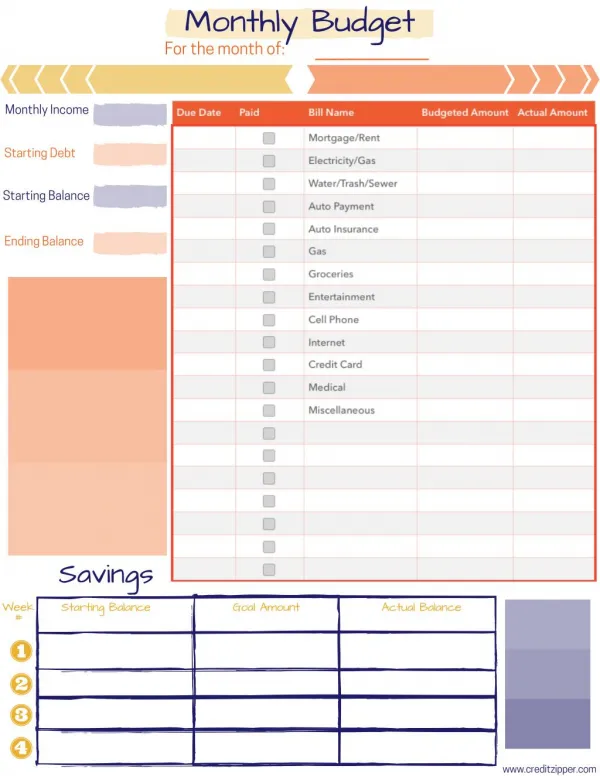
Student Budget Planner Spreadsheet There are three stages to working out your budget:
Look at how much cash you'll have coming in at the start of, and during, the term (we've got more on what your incomings do and don't include below). Realistically work out how much money you'll have going out during the term (again, we've got information on what outgoings should include below). Then subtract your outgoings from your income and divide it by the number of weeks there are during a term. Once you've done this, you'll have an idea of how much you'll have to live off week by week. Crucially, DON'T spend more than this.
Whattoincludeinyour INCOMINGSlist? Money coming in should be easy to work out and realistically will be a much shorter list than that going out. The sort of money you might have coming in is:
INCOMINGSLIST Student loan Any grants, bursaries, sponsorships or scholarships you're eligible for Any cash from parents – if you can, agree in advance with them how much they're offering to give a week/month/term. See Martin's blog for how much the Government expects you to give your children for university to give you a starting point. Any income from part-time jobs Any savings you're planning to use at university
Whattoincludeinyour OUTGOINGSlist: We've divided the next bit into categories to include all likely outgoings.
OUTGOINGSLIST Tuition fees Accommodation costs Travel /Transportation Food Entertainment Course supplies (textbooks, stationery)
Travel: Rail/bus/tube/coach Car costs including insurance (make sure to check if you can slash insurance costs) Drinking and eating out Hobbies and entertainment (including cinemas/clubs) Clothes, haircuts Books and magazines Subscriptions (gym/fitness, Netflix, Amazon Prime, Spotify) Large one-off purchases, for example, bike, laptop, car Christmas and birthday gifts Festivals Holidays
Limitanyspendingsplurgestothe daybeforethestudentloanhitsyour bankaccount.
Our advice is to leave any splurges until the end of your budgeting period – that way you know exactly how much money you've got left over from the current budget before the next period of budgeting kicks in.
The piggybacking technique helps you automate your spending so you always know how much money you can truly spend.
Select your main categories of spending. Set up several 'bills' accounts. Use a standing order to feed the piggies.
Waysofbudgeting You may need to try a few different ways of budgeting before you find the best one for you, but when you do find it, make sure you stick to it.
Freestudentbudgeting mobileappsworth downloadinginclude
MoneyLover: Allowsyoutotrackyourfinancesand manageyouroverallspending, andworksacrossallyour devices. Itnotifiesyouofrecurringtransactions (likerent, billsandsoon) beforetheyleaveyouraccount.
Cleo: Worksthrough Facebookandtakesa read-only (sonoone canevermovemoney inoroutofyour account) lookatyour spendingtohelpyou keeptrackofyour finances.
MoneyDashboard: Categorisesyourspendingand displaysallincomingandoutgoingamountsona dashboardchart, soyoucanseewhatyouspendin differentareas.
HyperJar*: Afreetool forbudgetingand payments, andalso hasafunctionfor group-shared expenses, ifyouand yourhousematessplit bills.
Old-school spreadsheets & calculators If you don't have a smartphone, or you do, but want to try something other than an app, the UCAS budget calculator is a good place to start.
Sometimesafewheadscan bebetterthanoneonthissort ofthing.
Whimson International, Inc. THANK YOU FOR LISTENING! We are always here to help you out. Email us at: info@zoomabroad.com.










![[PDF] DOWNLOAD Budget Dream Wedding Planner & Organizer: Professional Planning &](https://cdn7.slideserve.com/12461563/slide1-dt.jpg)


![[PDF] ✔DOWNLOAD⭐ Kakeibo Budget Planner Book: Monthly Weekly Budget Planner Bil](https://cdn7.slideserve.com/12679329/pdf-download-kakeibo-budget-planner-book-monthly-dt.jpg)
![[✔READDownload⭐] SUCCESS BUDGET PLANNER: BUDGET PLANNER](https://cdn7.slideserve.com/12688124/read-download-success-budget-planner-budget-dt.jpg)
![get [PDF] ✔Download⭐ Budget Planner: Simple Monthly Expense Tracker / Budget Pla](https://cdn7.slideserve.com/12688202/get-pdf-download-budget-planner-simple-monthly-dt.jpg)
![✔Download⭐ Book [PDF] Kakeibo Budget Planner: Kakeibo Weekly and Monthly Budget](https://cdn7.slideserve.com/12692758/download-book-pdf-kakeibo-budget-planner-kakeibo-dt.jpg)