Fire Alarm System
Comprehensive Guide to Fire Alarm Systems and Insurance Compliance for Safer Commercial Industrial and Residential Spaces in India with Advanced Monitoring Integration and Reliable Safety Practices for Modern Infrastructure Protection and Risk Management Across Diverse Sectors Ensuring Regulatory Alignment Operational Efficiency and Enhanced Emergency Response Preparedness for Businesses and Homes Sustainable Safety Planning with Smart Technology Integration and Scalable Solutionsnn


Fire Alarm System
E N D
Presentation Transcript
Fire Alarm System: Ensuring Safety and Insurance Compliance in India Presentation by Adit Group
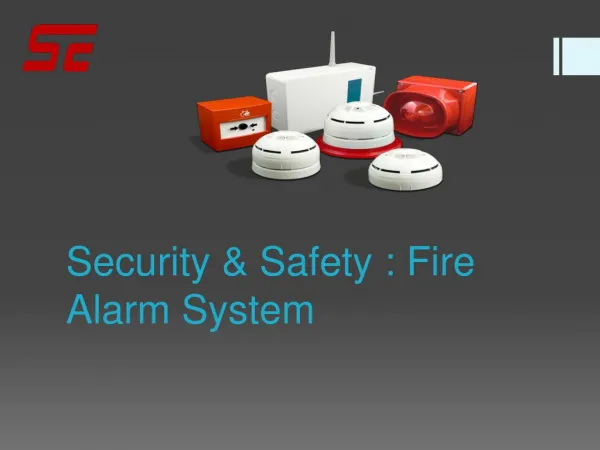
Fire Alarm System plays a critical role in safeguarding life, property, and business continuity across commercial, industrial, and residential environments. In India, where infrastructure is rapidly expanding, the importance of reliable fire detection and alarm solutions has increased significantly. From small offices to large industrial facilities, compliance with fire safety norms is not only a legal requirement but also a crucial factor for insurance approvals and claims. Modern buildings today integrate advanced technologies such as CCTV IP cameras, IP speakers, and voice evacuation systems to create a unified safety ecosystem. However, the foundation of all emergency preparedness remains a well-designed and properly maintained fire alarm system.
Fire Alarm System for Commercial, Industrial, and Residential Compliance Fire Alarm System is essential across all sectors, but the requirements vary depending on the environment: Commercial Spaces In offices, malls, and corporate buildings, fire alarm systems for commercial setups must ensure early detection and quick evacuation. Integration with public address systems and IP speakers helps deliver clear instructions during emergencies. Insurance providers often require documented proof of system installation and regular maintenance. Industrial Facilities Factories and warehouses demand fire alarm systems for industrial use that can detect hazards like heat, smoke, and gas leaks. These systems are often linked with automation controls to shut down machinery during emergencies. Compliance with fire safety regulations is mandatory to secure insurance coverage for industrial assets. Residential Buildings Fire alarm systems for residential complexes are increasingly becoming standard, especially in high-rise apartments. Early warning systems help residents evacuate safely, reducing risks to life and property. Insurance policies for housing societies also consider the presence of fire safety systems as a key factor.
Importance of Fire Alarm System in Insurance Compliance Insurance companies in India assess risk before issuing policies. A properly installed Fire Alarm System significantly reduces risk exposure, making it easier for businesses and property owners to obtain coverage. Key Compliance Benefits: Risk Reduction: Early detection prevents major losses Faster Claims Processing: Verified systems support claim approvals Regulatory Alignment: Compliance with fire safety codes is mandatory Operational Continuity: Minimizes downtime during emergencies
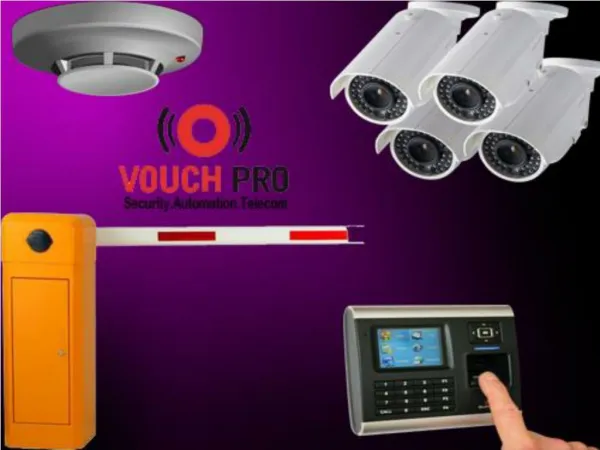
Fire Alarm System Integration with Modern Security Technologies Fire Alarm System today is not a standalone solution. It works in combination with advanced technologies to enhance overall safety. Integration Components : CCTV IP Cameras: Provide visual verification during alarms IP Speakers & Voice Evacuation Systems: Deliver real-time instructions Mobile Recorders: Enable remote monitoring UTP Cabling: Ensures reliable connectivity Thermal CCTV Cameras: Detect heat signatures even before flames appear Such integrated systems offer a comprehensive safety solution, especially for large-scale infrastructures.
Fire Alarm System Challenges and Solutions Despite its importance, implementing a Fire Alarm System comes with challenges: Common Challenges: Lack of awareness about compliance requirements Poor system design and installation Inadequate maintenance Integration issues with existing infrastructure Partnering with experienced solution providers Conducting regular training and drills Using advanced technology for real-time monitoring Ensuring proper documentation and audits
FAQs 1. Why is a fire alarm system important for insurance compliance? A fire alarm system reduces the risk of damage and is often required by insurers before issuing policies. 2. What types of fire alarm systems are used in industries? Industries typically use addressable fire alarm systems for precise detection and control. 3. How often should fire alarm systems be tested? Fire alarm systems should be tested regularly as per safety guidelines to ensure proper functioning. 4. Can fire alarm systems be integrated with CCTV? Yes, modern systems can integrate with CCTV for visual verification during emergencies. 5. Are fire alarm systems mandatory in residential buildings? In many urban areas, fire alarm systems are required for high-rise residential buildings as per safety regulations.
Conclusion Fire Alarm System is not just a compliance requirement but a critical investment in safety and risk management. From my perspective as an industry observer, businesses and property owners who prioritise fire safety systems demonstrate responsibility, foresight, and commitment to protecting lives and assets. Integrating advanced technologies and maintaining compliance ensures long-term reliability, trust, and operational resilience in an increasingly complex infrastructure landscape.