Veterinary First Aid Techniques for Cuts, Abrasions, and Injuries
Learn about topical medications, cleaning techniques, and procedures to provide comfort and control bleeding for injured animals. Also, discover techniques to support broken bones and perform artificial respiration.

Veterinary First Aid Techniques for Cuts, Abrasions, and Injuries
E N D
Presentation Transcript
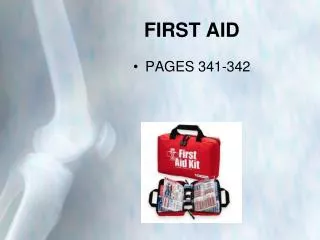
First Aid 4-H Veterinary Science Extension Veterinary Medicine Texas AgriLife Extension Service College of Veterinary Medicine and Biomedical Science Texas A&M System http://aevm.tamu.edu
Objectives • Discuss topical medications used in the treatment of cuts and abrasions on the skin • Describe techniques for cleaning cuts and abrasions on the skin • Describe procedures to provide comfort to an injured animal • Describe techniques to control external bleeding • Describe techniques to support a broken leg • Describe artificial respiration procedures
Introduction • First Aid- • The initial care or treatment of sick or injured animals before a complete medical evaluation and treatment. • Purpose • Reduce effects of injury • Reduce or stop severe bleeding • Prevent death of an animal
Handling and Restraint • Should be applied appropriately • State of shock • Unconscious • Hemorrhaging • Bone fractures • Animals should be moved and restrained carefully
Animals in Shock • Capillary refill (mucous membrane) • Pale, gray or blue in color • Should be healthy pink! Pale Colored A Healthy Pink
Shock and Internal Hemorrhage • Pulse rate • 1 ½ to 2 times above normal • State of shock • Internal hemorrhage • Pain • Respiratory disease • Handling • Kept Still • Reduce distraction
Shock and Internal Hemorrhage • Body Heat • Body temperature may drop • Overheating should be avoided • Cover animal with blanket to maintain body temp
Control of Blood Flow Artery Bright red and spurts as heart beats Vein Darker red, steadier flow Severity of bleeding Proximity to a joint? Is it clotting? Non-Bleeding Wounds Cleaned with warm water Cleaned with antiseptic or anitbiotic Supportive-protective bandage applied Wounds and External Hemorrhage
Wounds and External Hemorrhage • Severe Bleeding • Apply pressure • With hand • Pressure bandage • Tourniquet • Pressure directly on the wound doesn’t stop bleeding • Artery: Apply pressure above • Vein: Apply pressure below the wound
Wounds and External Hemorrhage • Tourniquet • Tightened to Stop bleeding • Loosened every 10 to 15 minutes • Use in Horse • Arterial tourniquet could shut down horse’s circulation • Clotting in Horse in slower • Keep applying bandages until bleeding stops.
Pain and Fractures • Signs of Pain and/or Fractures • Labored breathing • Depression • Reluctance to move • Non-weight bearing • Pain • Open joint • Fracture
Fractures and Broken Bones • Handling • Kept still • Reduce pain • Reduce possibility of bone damaging important vessels • If need, apply temporary splint • Two stiff pieces of material • Lots of padding!!! • Splint wrapped around leg
Respiratory Distress • Causes of distress • Drowning • Trauma • Circulatory shock • Anaphylactic shock • Electrical shock
Respiratory Distress • Artifical respiration • Lay animal on side • Press straigh down on thorax with palm of hand • Release quickly • Repeat cycle every 4 to 5 seconds • Do not apply if animal has thorax or rib injuries!
Colic • Colic • Abdominal pain • Gas • Impaction • Twist • Hypermotility • Small intestine, large intestine or stomach
Colic • Clinical signs in horse • Not eating • Pawing • Rolling • Sweating • Vital Signs • Increase body temp • Slightly to high pulse rate • Pale, Dark red or blue mucous membranes • Capillary refill greater than 3 seconds
Colic • Treatment • Walk horse • Jog if horse wants to lay down and roll • If horse is laying quietly, leave alone • Diagnose of what type of colic based on physical examination of the vet.