Essential Fire Safety Guidelines for Healthcare Facilities
Understanding fire safety is crucial in healthcare environments where the risks are heightened. Fires require three elements to start: oxygen, fuel, and heat. Common causes include carelessness with smoking, misuse of electricity, and improper disposal of flammable materials. Regularly inspect and maintain equipment to prevent fire hazards. Keep combustibles away from heat sources, ensure clear hallways, and never prop open emergency doors. In case of a fire, follow the RACE protocol: Rescue, Alarm, Contain, and Extinguish. Familiarize yourself with the types of fire extinguishers and their usage.

Essential Fire Safety Guidelines for Healthcare Facilities
E N D
Presentation Transcript
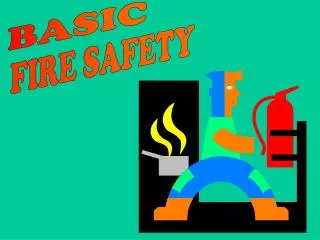
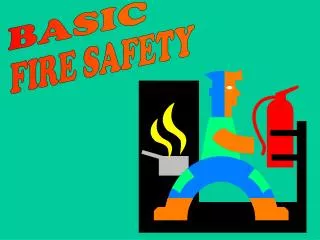
BASIC FIRE SAFETY
FIRES NEED 3 THINGS TO START • Oxygen (Air) • Fuel (any material that will burn) • Heat (sparks, matches, flames)
Major Causes of Fires • Carelessness with smoking and matches • Misuse of electricity (overloading a circuit or overuse of extension cords) • Improper rubbish disposal • Improper storage of flammables (such as gasoline) • Arson
EQUIPMENTFaulty equipment and the improper use of equipment are major causes offire in healthcare facilities.
EQUIPMENT Clean lint and grease from laundry and cooking equipment, ventilator hoods, filters, and ducts on a regular basis. Check for and report any cracked or split cords or plugs on the equipment used.
EXTENSION CORDS • Avoid using extension cords whenever possible • Don not exceed specified amperage • Do not run extension cords across doorways or anywhere they can be stepped on • DO not plug one extension cord into another and never plug more than one extension cord into an outlet
GENERAL FIRE SAFETY Keep combustibles away from heat producing devices. Prevent sparks in patient areas where oxygen is used. Cap and store combustible liquids properly.
GENERAL FIRE SAFETY Keep maintenance and storage areas clean and free of trash, sawdust, oily rags, etc. Keep halls and stairways clear Be sure that EXIT signs are always lighted and that emergency lighting is in working order.
GENERAL FIRE SAFETY Never prop open emergency doors. Fire doors not only let people out, they keep fire from spreading.
In the event of a fire, stay calm and RACE… • R-rescue any patient in immediate danger • A-pull the alarm and notify other employees of the location and type of fire • C-contain the fire by closing doors and windows • E-extinguish the fire or evacuate the area
TYPES OF FIRE EXTINGUISHERS • Pressurized water extinguishers (Class A fires only) • Dry Chemical extinguishers (ABC or BC) • Carbon dioxide extinguishers (Class B and C) • Foam (or AFFF and FFFP) extinguishers • Class D extinguishers
Using a portable fire extinguisher: PASS • Keep your back to the exit and stand 10-20 feet away from the fire • P-Pull the pin • A-Aim low • S-Squeeze the nozzle • S-Side to side, sweeping motion