Enhancing STEM Diversity: Characterizing Transfer Student Experiences in Engineering
This study by Dr. Matthew Ohland focuses on understanding the experiences of transfer students in engineering and their impact on the STEM talent pool. It aims to estimate how these students can improve diversity in STEM fields and explores the characteristics and challenges they face. The findings highlight the positive effects of persistence in transferring out of previous institutions, overshadowing barriers encountered. Transfer students demonstrate consistent disciplinary interest compared to first-time college students, emphasizing their potential contribution to engineering and diversity.

Enhancing STEM Diversity: Characterizing Transfer Student Experiences in Engineering
E N D
Presentation Transcript
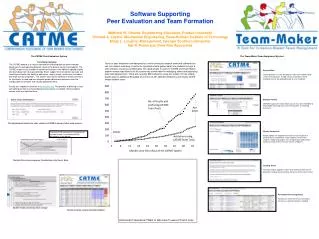
Characterizing and Modeling the Experience of Transfer Students in Engineering Dr. Matthew Ohland • To describe how transfer students can increase the pool of STEM talent. • To estimate the potential for transfer students to improve the diversity of the pool of STEM talent. • To learn more about who transfer students are, what they experience, and what happens to them. ProfessorSchool of Engineering EducationPurdue University ohland@purdue.edu
Transfer Student Accessibility by Matriculation Model FTIC vs. Transfer Students FYE: first-year engineeringDM: direct matriculationPGE: post-general educationFTIC: First-Time-In College The positive effect of persisting to transfer outweighs the negative effect of other barriers transfer students face. Disciplines ranked the same for FTIC and transfer. Transfer students have less disciplinary variation.