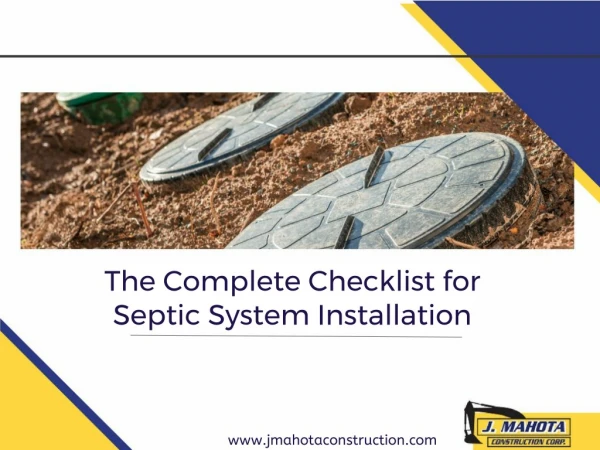
Common Septic System Installation Issues
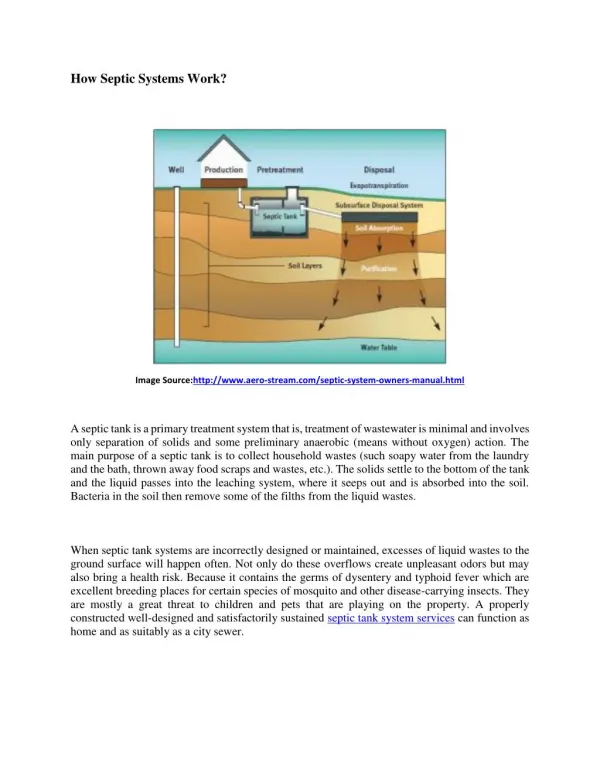
Discover essential insights into common septic system installation issues from Rodger Schuldt, a TCEQ licensed Installer and Maintenance Provider. This presentation covers key site evaluations, including the identification of sewer pipe stub outs, existing plumbing, and utility easements. Understand the significance of accurate soil analysis, equipment placement, and disposal field requirements. Ensuring the proper installation of septic systems is vital for compliance and functionality. For further inquiries, contact Rodger at 713-299-7402 or via email at rodger@schuldtconstruction.com.


Common Septic System Installation Issues
E N D
Presentation Transcript
Common Septic System Installation Issues As presented by: Rodger Schuldt TCEQ Installer II License # OS19898 TCEQ Maintenance Provider License # MP00545 TCEQ Site Evaluator License # OS20270
Site Evaluation • Locate sewer pipe stub outs • Newer homes usually have one (1) stub out • Older homes (sometimes referred to as retrofits) can have multiple stub outs all around the house
Site Evaluation • Identify other plumbing in the area • Water lines • Gas lines • Electric lines
Site Evaluation • Locate easements and setbacks • Pipelines • Utilities • Overhead and underground • Water wells • Existing sewer drain field from other houses on the same property • Can’t occupy the same space
Site Evaluation • Verify tanks and disposal field will fit as designed • Trees and out buildings often are not accurately shown on designs, if at all • Locate property lines
Soil Evaluation • Analyze soil type while digging hole for tank(s) • Verify soil is same type as listed in site evaluation paperwork • If soil is different than is identified in the site evaluation, stop work and notify the regulating authority
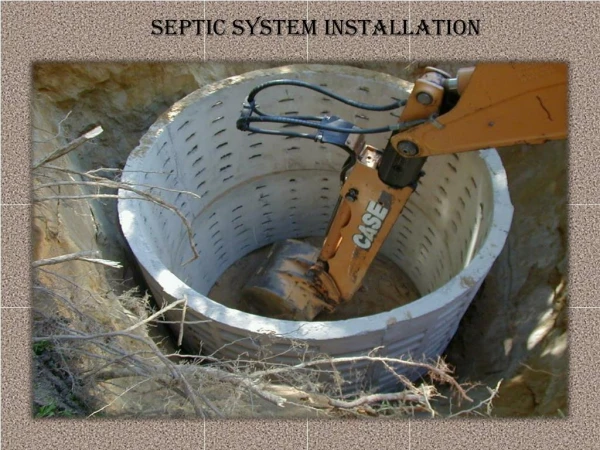
Access to Work Area • Accessibility forheavy equipment • Backhoe or excavator • Dump trucks • Septic system delivery trucks
Access to Work Area • Ground conditions • Muddy, soft ground • Existing septic tanks in the new tank’s proposed location
Access to Work Area • Room to work • Room to set up equipment • Place to pile spoil while excavating • Place to spread the spoil left over
Installation of Equipment • Depth of sewer stub outs
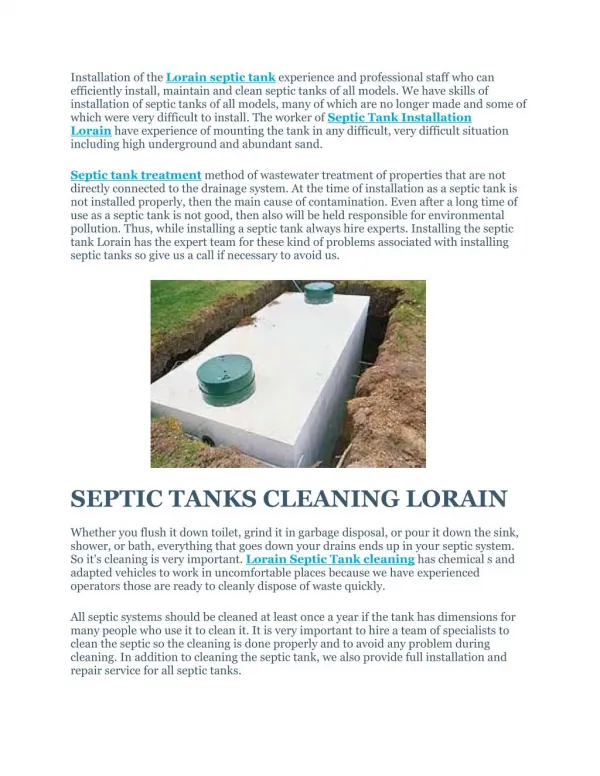
Installation of Equipment • Depth of septic tanks
Installation of Equipment • Placement of lift station and/or equalization tank, if required
Installation of Equipment • Water source to fill tanks • Very Important!
Installation of Equipment • Sewer pipe between stub outs and tanks • Pipe size • Fall needed for positive flow of sewer • Required clean outs • 2-way vs. 1-way • Distance between clean outs • Sanitary tee inside tanks • Proper sealing of piping into tanks
Installation of Equipment • Approved chlorinator • Liquid • Tablet
Installation of Equipment • Electrical connections • Location of electrical supply • Disconnect location • Mounting of control box and aerator • Flood zone elevation requirements • Auto dialer, if required
Disposal Field • Surface irrigation • Sprinkler placement • Trees and Fences • Crossing water lines • Setback distances from water wells and property lines
Disposal Field • Subsurface irrigation (Drip emitters) • Trees in drip field area • Soil type in drip field area • Mounding vs. grade • Positive draining of surface water • Sodding vs. seeding • Headers with vacuum breakers • Proper depth of drip lines
Completion of Installation • Back filling around tanks • Class III soil • Positive flow of surface water away from tanks • Bedding in sewer pipes to prevent sagging of pipes • Spreading or removing left over spoil • This is subject to contractual agreement
Contact Information Rodger Schuldt Schuldt Construction 713.299.7402 rodger@schuldtconstruction.com
Questions? Designed by: Ryan Schuldt