Understanding Volcanic Activity: Types and Properties of Magma
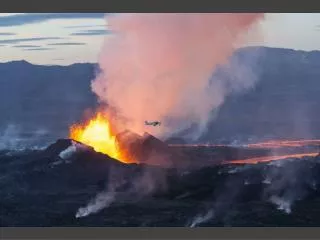
This overview delves into volcanic activity and the types of magma generated deep within the Earth. Magma, composed of molten rock, mineral grains, and dissolved gases, begins to form at temperatures between 800°C and 1200°C. The relationship between depth, pressure, and melting points plays a key role in magma composition. We explore the three primary types of magma—basaltic, andesitic, and rhyolitic—highlighting their characteristics such as viscosity, eruption behavior, and temperatures, which range from 700°C to 1250°C.

Understanding Volcanic Activity: Types and Properties of Magma
E N D
Presentation Transcript
18.1 Drifting Continents VOLCANIC ACTIVITY
Magma • Molten rock, mineral grains, and dissolved gasses deep inside Earth • Rocks begin to melt at 800o-1200oC • Depth, pressure and melting point have a direct relationship • However, wet rock melts at a lower temperature (p.472)
Types of Magma • Basaltic- Hawaiian Islands • Andesitic- Mount St. Helens • Rhyolitic- Yellowstone National Park
Magma Composition • Viscosity- resistance to flow • Basaltic- low viscosity, low gas, low silica, quiet eruptions • Andesitic- found near subduction zones, intermediate viscosity, 60% silica, intermediate eruptions • Rhyolitic- high silica, high gas, very explosive!
Viscosity • Hotter = less viscous • Basaltic lava temperatures = 1000o- 1250oC • Rhyolitic lava temperatures = 700o- 900oC • More silica = higher viscosity