Understanding Hindu Beliefs: History, Practices, and Sacred Texts
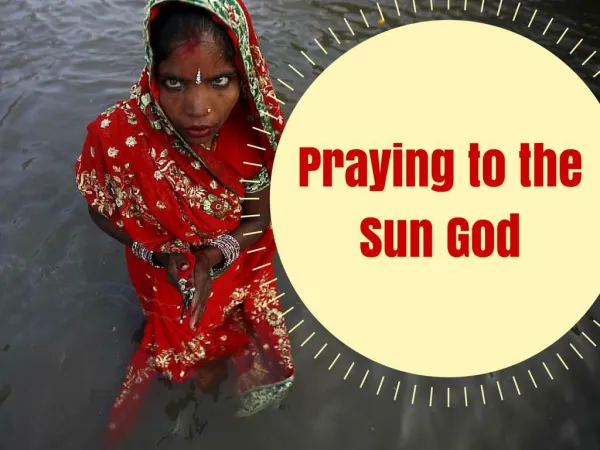
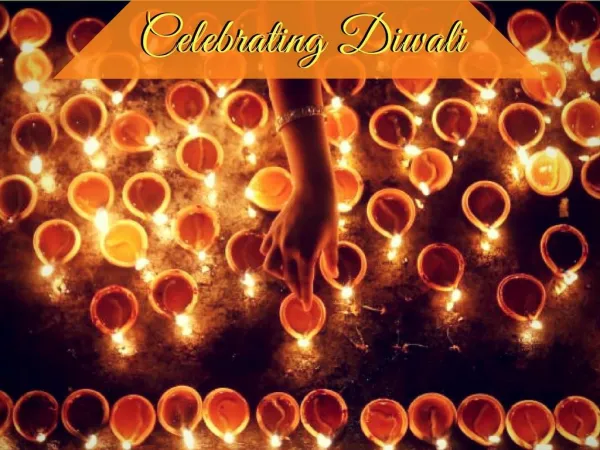
Explore the rich tapestry of Hindu beliefs and practices, a way of life that spans over 5000 years. Hinduism is one of the fastest-growing religions globally, with around 800 million followers, particularly in India and New Zealand. Central to Hindu thought is the belief in a singular Great Power, Brahman, who is worshipped through various deities. Concepts of reincarnation and the pursuit of moksha guide adherents, while the caste system still influences social structure. Discover the sacred texts that provide spiritual wisdom, including the Vedas, Mahabharata, and Ramayana.

Understanding Hindu Beliefs: History, Practices, and Sacred Texts
E N D
Presentation Transcript
Introduction • It goes back at least 5000 years • Gradually developed over 1000 years • It’s a way of life, not just a religion: follows have a wide range of beliefs and ways of worshipping • Different Hindus believe different things, have different value positions
Where? • 800 million people in India are Hindu • It is one of the fastest growing religions in NZ: in 1996, there were 26,000 Hindus living in NZ In 2006, there were 64, 557 Hindus living in NZ
Monotheistic Religion • There is one Great Power, God, called Brahman • Brahman is in everywhere and in everything • Hindus worship Brahman through gods and goddesses: the Great Power can be seen most easily through gods and goddesses • Gods and goddesses are different ways of describing the Great Power, Brahman
Reincarnation • Belief in rebirth affects every part of a Hindu’s life: when you die your soul moves on to another body (can be person, animal or plant) • The soul in everything is the same • Where your soul goes depends on how you have lived your life • The aim is to break out of this cycle, so that when they die their soul can become part of Brahman, in a state of perfect happiness Moksha
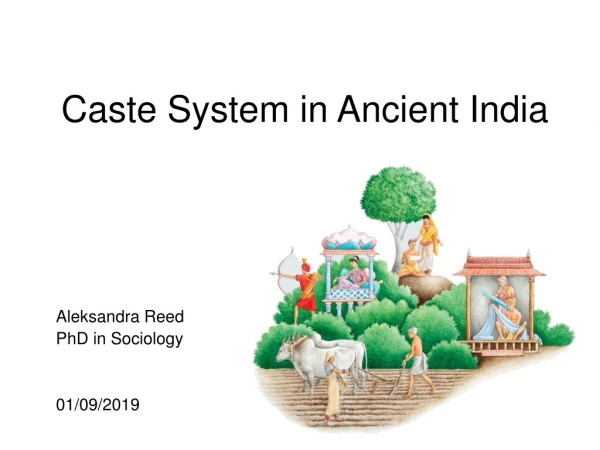
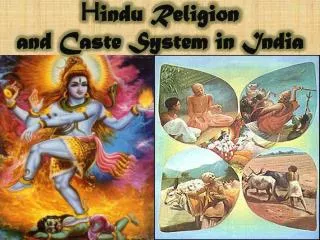
The Caste System • The way Indian society has worked for hundreds of years: divides people into groups 4 groups (varnas) • Brahmins (priests) • Kshatriyas (soldiers, people who ruled the country) • Vaishyas (shop-keepers, traders, farmers) • Shudras (servants for other three varnas)
These varnas divided into smaller groups (jatis) • Historically, a person’s jati was decided by what job their family did – jobs were passed on in families • Today, people have more educational opportunities and freedom of choice, but they stay in the same jati
Harijans • Outside the 4 varnas, were the Harijans • Did the dirtiest jobs, like working with leather • Other Hindus would have nothing to do with them • Mahatma Gandhi, however, named them “children of God.”
The Caste System Today • In the past 50 years, things have changed • Rules cannot be kept so strictly because people travel away from home area to work, meet and talk to people from a different varna • Only Brahmins and Harijans know which varna they belong to, but most people know their jati • Indian law makes society more equal now, but in many villages the caste system is very strict Eg. People will not marry someone from a ‘lower’ jati and anything they eat must have been prepared by someone from their own or ‘higher’ jati
Sacred Texts of Hinduism • The Hindu holy books are divided into two main groups: shruti (which means ‘heard’): these words were heard by wise men in the early days Smriti (which means ‘remembered’): these words were handed down by word of mouth for hundreds of years
Shruti Vedas (means ‘wisdom’ or ‘knowledge’): • Oldest of the Hindu holy books • Contain basic truths which never change • Contain hymn or poems (called mantras) • Contain instructions about how worship should be carried out and descriptions of religious ceremonies
Smriti • Ordinary people found the Shruti difficult to understand, so the same teachings were made in the form of stories • The most important parts are two long poems: Mahabharata and Ramayana Mahabharata includes the BhagavadGita, the best-loved part of all the Hindu holy books. These teach lessons about the religion.