Download
1 / 87
890 likes | 1.4k Vues
Toxic Bradycardia and Hypotension. Alyssa Reed, R1. Thanks to Dr Mark Yarema. CASE. It is 330 am when the paramedics patch to tell you they are on scene with a man who has a pulse of 45 and SBP of 80 What medical conditions could cause this?. Medical Causes of Bradycardia. MI

E N D
Toxic Bradycardia and Hypotension Alyssa Reed, R1 Thanks to Dr Mark Yarema
CASE • It is 330 am when the paramedics patch to tell you they are on scene with a man who has a pulse of 45 and SBP of 80 • What medical conditions could cause this?
Medical Causes of Bradycardia • MI • Sick Sinus Syndrome • Hyperkalemia • Hypothermia • Increased ICP • Vasovagal • Physiologic (athletes)
CASE CONTINUED… • The patient arrives. Vitals are unchanged after 2L N/S and 2 mg of atropine. He is obtunded but breathing spontaneously. His wife says he has a history or atrial fibrillation, angina, hypertension and depression. The paramedics found a lot of pill bottles beside him and suspect an overdose. They left the bottles behind. • What medications cause bradycardia?
TOXIC BRADYCARDIA • Beta Blockers • Calcium Channel Blockers • Cardiac glycosides (digoxin) • Cholinergic agents • Clonidine/Imidazolines (alpha2 agonists) • Opioids/Sedative Hypnotics • Phenylpropanolamine (alpha1 agonists) • Sodium channel blockers Can we eliminate any of these based on clinical presentation?
TOXIC BRADYCARDIA • Beta Blockers • Calcium Channel Blockers • Cardiac glycosides (digoxin) • Cholinergic agents • Clonidine/Imidazolines (alpha2 agonists) • Opioids/Sedative Hypnotics • Phenylpropanolamine (alpha1 agonists) • Sodium channel blockers
THE “BIG FOUR” • Beta Blockers • Calcium Channel Blockers • Cardiac Glycosides • Sodium Channel Blockers
Maybe put in some physiology and table 17.11 page 393 of lilly
CASE • 40M brought by EMS after an OD. Drug unknown. Pulse is 50 and SBP is 90. • Which of the four do you think is most likely responsible?
Na Channel Blockers • Class IA Antiarrhythmics • Quinidine • Procainamide • Disopyramide • Class IC Antiarrhythmics • Flecainide • Propafenone • Cocaine • TCAs • Diltiazem/Verapamil • Propranolol • Carbamazepine
Presentation • QRS widening • Hypotension • Seizures • Altered Mental Status • Membrane Stabilizing Activity • Decreased perfusion
Management • Sodium Bicarbonate • 50ml = 50mEq = 1ampule • Indications • QRS > 100ms • Persistent hypotension despite adequate fluid resus • Dysrhythmias • Dosing • Bolus 3 amps • 3 amps in a bag of D5W and infuse and 2-3x maintenance • Hypertonic Saline
CASE • A 55M is brought in by the paramedics with a pulse of 40 and SBP of 78. His BG is 18. He is AOx3. • He has a history of “heart problems” and no other medical history • K 4.0 • Which of the “big four” is likely responsible? (see next ECG to help eliminate)
Calcium Channel Blockers • All block L-type calcium channels • Heart* • Contractile Tissue • Pacemaker cells • Vascular Smooth Muscle* • Endocrine (including beta pancreatic cells) • Retina • Skeletal muscle
1) Myocyte depolzn triggers opening of LTCC 2) Causes release of stored Ca from SR 3) Contract Put in a pic of the channels and depolarization
Calcium Channel Blockers 2 Major Clasess • Dihydropyridines • Preferentially block L-type calcium channels in the vasculature • Potent vasodilators with little negative effect upon cardiac contractillity or conduction • Non-dihydropyridines • Preferentially block L-type calcium channels in the myocardium • Negative inotropic effects and decrease AV node conduction
Q: Why is brady not listed as complication of the dihydropyridines?
CCB OD Presentation • Hypotension • Bradydysrhythmias (or reflex tachycardia) • Normal mental status • Hyperglycemia • disruption of fatty acid metabolism creating relative insulin resistance and decreased release of insulin from β panc cells • Pulmonary Edema • Heart failure + vasodilation and extravasation • Ileus • Decreased smooth muscle function in bowel
CCB OD Dx • No urine or serum test readily available • ECG • CXR • Lytes (including Ca, Mg) • Blood Glucose • ABG What are some of the ECG findings/rhythms in CCB OD?
CCB OD and the ECG • Bradysrhythmias • AV block of all degrees • Sinus arrest • AV dissociation • Junctional rhythm • Asystole • Reflex Sinus Tach • Nifedipine OD
OD General Approach • ABCs • GI Decontamination • Activated charcoal (50G in adult, 1g/kg in peds) • Gastric Lavage • Whole Bowel Irrigation (polyethylene glycol 2L/hr adults, 500cc/hr peds) • Enhanced Elimination • Hemodialysis • Antidotes • Supportive care
CCB OD Mx • HYPOTENSION • Fluids • Calcium • Glucagon • Pressors • BRADYCARDIA • Atropine • Calcium • Glucagon • Pacer
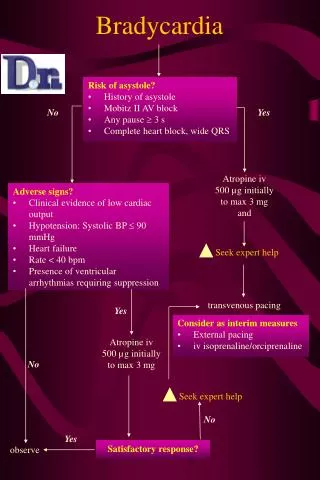
Atropine • Given routinely to symptomatic bradycardic patients • Often ineffective • Adults: 0.5-1 mg IV Q3min to a max of 3mg • Peds: 0.02mg/kg IV with a min dose of 0.1mg and a max of 1mg
Calcium • CALCIUM CHLORIDE • 10% solution • 1g/10ml • 1g = 13.6 mEq • Central line • Dose: 1g over 10 min (10cc) Q15 to a max of 6 g and can infuse 1-2g/hr if responsive • CALCIUM GLUCONATE • 10% solution • 1g/10ml • 1g = 4.5 mEq • Peripheral line • Dose: 3g (30cc) over 10 min
Glucagon • Increases intracellular levels of cAMP • Opens Ca channels • Animal models • increase in heart rate • Little effect on MAP • Bolus: 5mg over 1-2 min, to max of 15mg (this is diluted in 10cc N/S) • Maintenance: infusion of response dose mg/hr • Vomiting and aspiration risk • Phenol toxicity
Glucagon Catecholamine pressors Glucagon Gs Amrinone ATP cAMP Phosphodiesterase AMP
Pressors Q: What would be the ideal properties of a pressor in CCB tox? A: Direct-acting agent with +chronotropy, inotropy, and vasoconstrictive effects Q: What would you use? A: Norepinenphrine is initial choice Dopamine not because indirect effects and little alpha Can increase pulmonary edema and ischemic vascular dz and renal failure
Insulin and Glucose • CJEM 2006 Prediger and Yarema • Systematic review of 13 papers • 20 cases of CCB OD (17 adult, 3 pediatric) • Most effective at treating hypotension (n=15) • 3 patients converted to sinus from AV block • Dosing and length of treatment varied widely • AE: asymptomatic hypoglycemia (n=8),hypokalemia (n=4) • Conclusion: HDIG is safe and effective treatment of CCB overdose
Insulin and Glucose • The heart usually metabolizes free fatty acids but in shock state it needs glucose • In CCB OD cardiac glucose uptake is impaired b/c • Decreased insulin release (calcium mediated) • CCB toxicity induces a state of insulin resistance (myocardium and rest of body) • Acidosis and low perfusion limits glycolysis and carbohydrte delivery to the heart • Insulin acts as a pressor • Improved glucose delivery and uptake to the heart and improving cardiac performance
Insulin and Glucose • Disrupt state of carbohydrate dependence and insulin resistance • Animal models • Improved survival with hyperinsulinemia/euglycemia compared to calcium, pressors and glucagon • Positive inotropic effects • Bolus: 0.1U/kg IV of regular insulin • Infusion: 0.2-0.5 U/kg/hr • Glucose: 25-50 g of dextrose at beginning or can infuse at 0.5 g/kg/hr
Other Therapies • Phosphodiesterase Inhibitors • Amrinone , milrinone • Increase cAMP by preventing degradation of it by phosphodiesterase enzyme • May exacerbate hypotension • ICU setting with pulmonary artery catheter • Sodium Bicarbonate • Prolonged QRS or lactic acidosis • 1amp= 50mEq • Put 3 amps in 1L D5W and infuse and two times maintenance
Invasive Mx • Transvenous pacing • Does not counteract negative inotropic effects • Successful capture may not correct hypotension • Intraaortic balloon pump • Cardiopulmonary bypass
Summary • Block L-type channels • Vascular smooth muscle • Cardiac muscle cells and pacemaker cells • Hypotension, brady or tachy, preserved mental status, hyperglycemic • Mx • Early WBI • Fluids/atropine • Calcium • Glucagon • Pressors • Insulin and glucose
CASE • 50F brought in by EMS. Patient is altered. T= 37, P= 50, RR= 12, SBP= 74, O2=90%RA, BG 3.5 • Hx of “heart problems” and hypertension • Which of the big four do you suspect?
Beta Receptors Beta 1 • Primarily in the heart • Increase 1) heart rate, 2) contractility, and 3) AV conduction • Decrease AV node refractoriness Beta 2 • Primarily in bronchial and peripheral smooth muscle • Also in liver, uterus, heart • Vasodilation, bronchodilation, gluconeogenesis, glycogenolysis Beta 3 • Adipose tissue and heart • Thermogenesis
Beta Blockers • Structurally resemble isoproterenol (pure β agonist) • Competitively inhibit endogenous catecholamines (ex. Epinephrine) at the B-receptor • These catecholamines normally bind to the receptor and result in activation of adenyl cyclase, resulting in cAMP • cAMP augments: • Inotropy (myocardial contraction) • Dromotropy (cardiac conduction) • Chronotropy (heart rate)
Clinical Presentation • Bradycardia • Hypotension • Unconsciousness • Respiratory arrest or insufficiency • Hypoglycemia (uncommon in adults) • Seizures (esp. propranolol) • Symptomatic Bronchospasm • VT or VF • Mild hyperK Rosen’s Table 150-8
βB Properties • Membrane-Stabilizing Activity (MSA) • Inhibition of myocardial fast sodium channels • Can result in wide QRS and other dysrhythmias • Lipophilicity • High lipid solubility= rapidly cross BBB • Cause altered LOC (independent of hypoperfusion) • Intrinsic Sympathomimetic Activity (ISA) • Partial agonist effect at beta receptor site • Cause less bradycardia and hypotension • DO NOT completely protect
Noncardioselective βB Rosen’s Table 150-3
Cardioselective βB Rosen’s Table 150-3
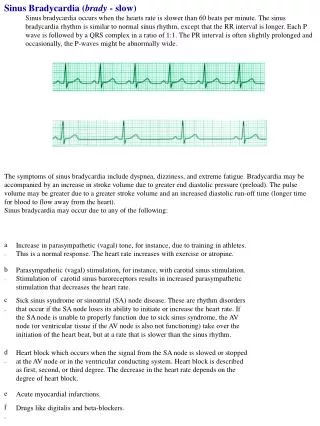
βB OD and the ECG • Increased PR from decreased conduction velocity down AV node • Bradycardia from decreased automaticity within SA node • Ventricular tachydysrhythmias with MSA βB • Wide QRS with MSA βB • QT prolongation with sotalol OD
βB OD Mx • HYPOTENSION • Fluids • Glucagon • Epinephrine • Isoproterenol • BRADYCARDIA* • Atropine • Glucagon • Pacemaker • Epinephrine • Isoproterenol * Only tx if third degree block or symptomatic