Innovative Construction Solutions for WestEnd25: Enhancing Residential Development through LEED
This thesis analyzes the construction of WestEnd25, a 324,000 sq. ft. residential apartment building completed in early 2009. It discusses key elements including the concrete placement methods, use of precast façades, and pursuit of LEED certification. The focus is on optimizing construction schedules and costs through various techniques, such as concrete pumping versus crane and bucket placement, and evaluating façade performance. The findings highlight how effective planning and sustainable practices contribute to modern residential projects.


Innovative Construction Solutions for WestEnd25: Enhancing Residential Development through LEED
E N D
Presentation Transcript
WestEnd25 Charles Miller– 2009 AE Senior Thesis Construction Option - Riley
Outline • WestEnd25 Background • Concrete Placement • Precast Façade • LEED • Conclusions • Acknowledgements • Questions
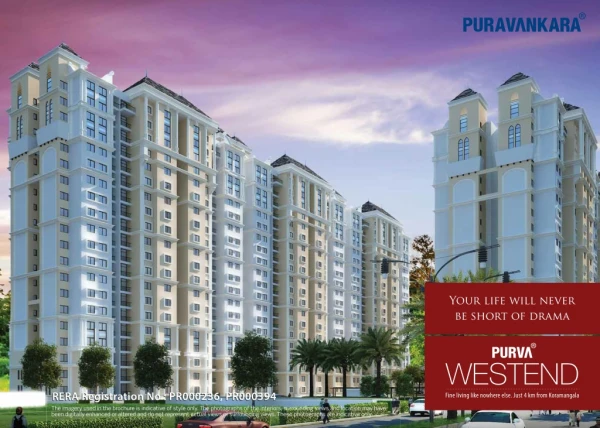
Project Background • Function: Residential Apartments • Size: 324,000 sq. ft. / 10 stories • Project Cost: $76 Million • Construction Period: March 2007 – January 2009 • Owner: Vornado - Charles E. Smith • Contractor: James G. Davis Construction • Architect: Shalom Baranes Associates Architects WestEnd25
Project Background • Existing: • Two 6 story office buildings • Precast Façade • Concrete Structural System • New Construction: • One 10 story apartment building • Curtain wall and Brick Facade • Concrete Structural System Structural Concrete Slabs: Added Levels: 6” Post-Tensioned Connection: 7.5” Post-Tensioned Existing: 7.5” Conventionally Reinforced Exterior Façade: Metal Panels Brick Facade Curtain Wall
Structural System: • Existing: • 6 Stories Concrete Concrete Placement • Placement Method: • Crane and Bucket • Suggested Placement: • Concrete Pump • Faster Installation • Schedule • Cost • New Construction: • 6 Connectors • 4 Stories Concrete
Concrete Placement • Schedule Comparison: • Same Connector Slab Duration • Pump Saves 2 Days per Full Slab
Concrete Placement • Placement Schedule Effects Timeline: • Crane and Bucket: 11/1/08 10/1/08 1/1/09 9/1/08 12/1/08 7/1/08 8/1/08 7/3/08 10/14/08 10/8/08 8/15/08 12/11/08 12/1/08 8 Days 10 Days 4 Days 1/9/09 12/26/09 7/18/08 1/1/09 7/1/08 8/1/08 10/1/08 12/1/08 9/1/08 11/1/08 • Pump:
Concrete Placement • Conclusion: • Connecting Slabs Limit Efficiency • Pump Benefits on Full Slabs • Limited Overall Savings Familiar but slower method is acceptable • Cost: • Potential savings of $92,725 • .12% of Project Cost
Façade Analysis • Original Façade • Precast • Specified Façade • Brick Cavity Wall • Poor Slab Edges • Precast Façade • Schedule • Cost • Thermal Performance • Structural Loads
Activity in Progress Report Quantities Report Workhours Calculate Productivity Performance Evaluation Façade Analysis • Productivity Analysis • CE 533 – Construction Productivity Analysis and Performance Evaluation • Precast Benefits: • Faster Installation • Less Delays due to Weather • Analysis Expectations • Late Winter Weather Delays
Façade Analysis • Productivity Chart • 3 Peaks of Decreased Productivity • One Weather Related • Two Delays from Other Trades Uncompleted Work • Data Point Majority Below Baseline • Better than Expected Productivity • Analysis Shows Limited Benefits due to Weather Delays = Weather Delay = Other Trade Delay
Façade Analysis • Precast Sequencing: • North Facade • East Facade • South Facade • Schedule Comparison: • Brick Sequencing: • 1st floor North • 1st floor East • 1st floor South • 2nd floor North • 2nd floor East • Etc…
Façade Analysis • Cost: • Conclusion: • Cost Savings Must be Weighed Against Risk of Difficult Installation • Feasibility Depends on Crew
Façade Analysis Traditional Brick Façade: Precast Façade: • U-Value Comparison • Coefficient of Heat Transfer • Lower Value Better • Precast Option is Thermally Feasible
Façade Analysis • Structural Analysis • pca Column • Precast Structurally Feasible
Façade Analysis • Façade Conclusion • Thermal Analysis and Structural Analysis Prove the Precast Façade is Feasible • Cost Savings Must be Weighed Against Risk of Difficult Installation • Feasibility Depends on Crew
LEED • Critical Industry Issue: 2008 PACE Roundtable Breakout Session: LEED Evolution • Increase Owner Involvement • Interviews of Industry Professionals • Series of Open Ended Questions • Interesting Results
LEED • What do owners need to do differently? • Few Felt that Owners Need to Increase Knowledge Base • Owners Need to Accept Costs and Improve Integration
LEED • What mistakes do owners typically make that cause problems for a project attempting a LEED Certification? • Indecisiveness is a Major Problem • Owners Need to Set Clear Goals and Maintain Sustainability Commitment • Indecisiveness is a Larger Problem than Accepting Costs
LEED • What do owners do that is successful and helps the overall project? • Successful Owners Clearly State Sustainability Goals and Maintain Their Commitment to Sustainability
LEED • How important is the selection of a design professional that has experience and expertise with sustainable design? • All Participant Indicated Importance of Sustainable Experience • 63% Indicated a Level of “Extreme” Importance
LEED • What design decisions are typically passed over without early owner commitment to LEED? • Owners Typically Own Land Before Deciding to Build
LEED • Research Findings • Changes/Waiting Deterrent • Clear Goals and Commitment • Designer Critical
Summary • Concrete Placement • Familiar but Slower Concrete Placement Method is Acceptable • Façade Analysis • Thermal Analysis and Structural Analysis Prove the Precast is Feasible • Cost Savings Must be Weighted Against Risk of Difficult Installation • LEED • Research Findings • Changes/Waiting Deterrent • Clear Goals and Commitment • Designer Critical
Acknowledgments • Vornado/Charles E. Smith • James G. Davis Construction • AE Faculty • Survey Participants • Family & Friends