
Understanding Atomic Structure: Bohr Model and Energy Sublevels

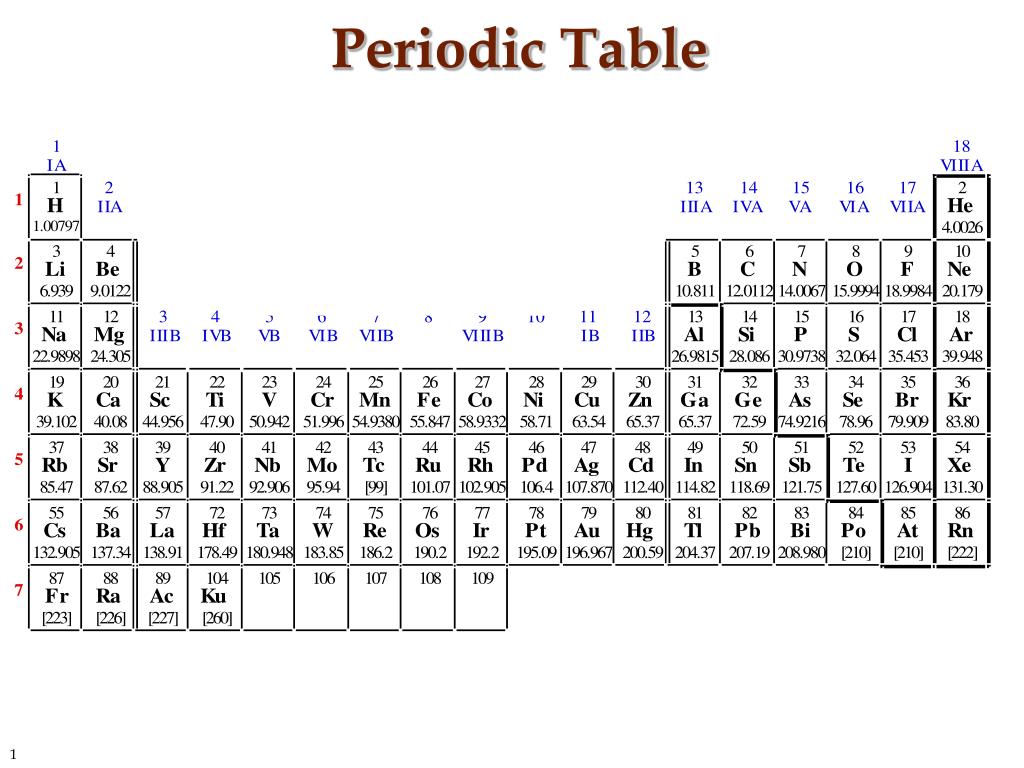
This educational resource explores the Bohr model of the atom, elaborating on fundamental principles such as the dependence of atomic radius on outermost electrons, the positive nature of the nucleus, and the negative charge of electrons. It illustrates how oppositely charged particles attract and emphasizes that electrons can only occupy specific energy levels. By employing deductive reasoning, this guide provides a rough plot of atomic radius as a function of atomic number and includes the concepts of atomic weight and first ionization energy, helping students visualize the relationships in atomic structure.
Télécharger la présentation 
Politique de téléchargement : le contenu du site vous est fourni TEL QUEL pour votre information et votre usage personnel ; il ne peut être vendu, concédé sous licence ni partagé sur d’autres sites sans l’accord de son auteur.Le contenu vous est fourni TEL QUEL, pour votre information et votre usage personnel uniquement. Téléchargez la présentation en cliquant sur ce lien. Lors du téléchargement, si vous ne parvenez pas à télécharger une présentation, l’éditeur a peut-être supprimé le fichier de son serveur.Pendant le téléchargement, si vous ne parvenez pas à obtenir une présentation, le fichier a peut-être été supprimé par l’éditeur.
F I N