Download
1 / 5
50 likes | 179 Vues
One-celled organisms, including bacteria and algae, reproduce asexually by splitting in half approximately every 1.25 days. Unlike multicellular organisms, these microscopic life forms don't possess genders and can exhibit complex interactions, such as some having thousands of genders. Bacteria can invade host cells, leading to potential illnesses like colds and flu. Algae, though non-toxic, signifies an ecosystem imbalance when it proliferates excessively. The nucleus is key to cellular reproduction in these organisms, highlighting the intricate relationships in our ecosystems.

E N D
One celled organisms They don’t have Gender (or Boy and Girl) they split them selves in half and do that every 1.25 days! Some one celled organisms can eat part of your insides. Also other organisms have thousands of genders and link together and looks like moss!
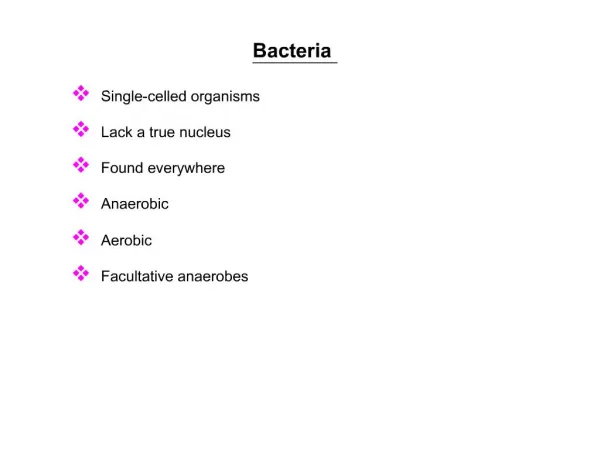
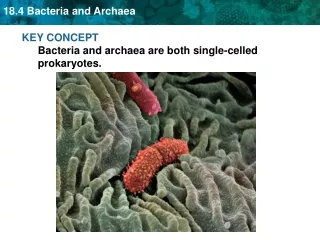
Bacteria It grabs a part of your cells and forces it to double the Bacteria. Then gives Viruses or diseases sometimes, cold’s and flu. Through that weird instinct. It can be very deadly.
Algae Think of this before you swim in a pond. Algae is a non gender like material that if you saw would look like dust bunnies. Is not deadly just grouse and murky. The reproduction is based on the health of the pond, over population is a sign of a non-balanced ecosystem which means there is a factor missing in the balance. Algae used to be called a plant.
Nucleus and other part of a cell The nucleus is a middle section, used to multiply the cell and bacteria uses it for the same reason.