Download
1 / 22
220 likes | 342 Vues
This document explores the effects of weathering and erosion on various structures and natural landscapes. It highlights how acid rain and natural elements contribute to the deterioration of tombstones and buildings. Key processes discussed include frost wedging, exfoliation, and different types of erosion such as beach and gully erosion. The examples illustrate the gradual but significant impact of environmental factors on both natural rock formations and human-made structures, emphasizing the importance of understanding these processes in geology and environmental science.

E N D
Mr. Eckstrom Science period 2 4-2-08 Weathering and Erosion
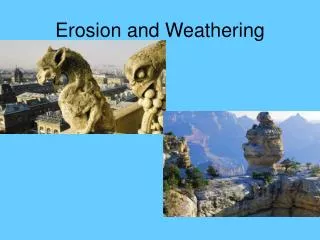
Tombstone with writing Coming off due to acid rain And other natural substances.
Rocks weather due to possible machines such as when buildings are Being built or torn down.
The upper picture is an example of surface area cause The building was once whole And now is broken down taking Up more areas.
Frost wedging is the splitting or breaking up of rock by water freezing between cracks and crevics
Exfoliation is part of this due to The contracting and expanding Because of heat
Frost wedging is the repetition on freezing and thawing of rock by acid rain water.
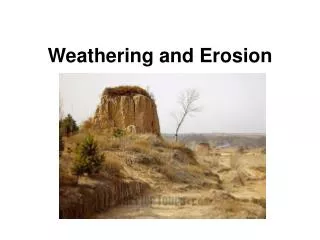
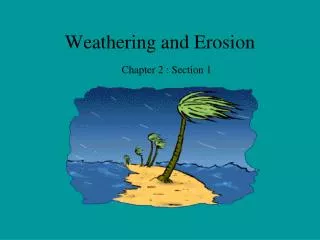
Beach erosion is showed here because the tree is eroded Away by the wind Going through.
Gully erosion is the process of making a rill larger and deeper
Rill erosion are the tiny pathways that water go through on slopes.