Download
1 / 12
120 likes | 217 Vues
Explore the evolution of Greek literature from the 8th century BC with the first written texts, adoption of the standard alphabet, and the shift towards valuing spoken word over written word. Learn about iconic figures like Socrates, Aristophanes, Herodotus, and Homer, and the literary contests of the Lenaia and City Dionysia. Uncover the development of Greek prose and poetry, including tragedies, satyr plays, and comedies.

E N D
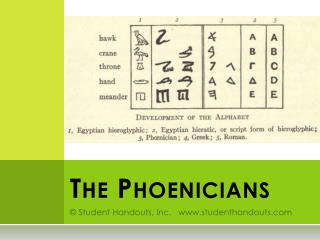
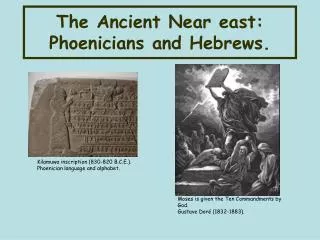
8th c. BC First written texts from ancient Greece Phoenicians 403 BC Adoption of standard alphabet in Athens Linear B
6th c. BC First record of prose writing from Greece 5th c. BC Spoken word valued over written word in Athens Socrates (d. 399 BC) ekklesia Aristophanes (d. c. 380 BC), Clouds
3rd c. BC First efforts to collect “canon” of Greek literature Problems of modification
Herodotus of Halicarnassus (d. 425? BC) History of the Persian Wars Thucydides (d. c. 400 BC) History of the Peloponnesian War
Euripides (d. 406 BC), Medea Homer (10th or 9th c. BC) Iliad Odyssey Earliest record of texts from 8th c. BC Hesiod (d. c. 670 BC) Theogony Works and Days
Sappho of Lesbos (c. 600 BC) “The Tenth Muse” Poems on marriage, cult hymns, more private subjects, incl. homoerotic poetry sapphist = lesbian
Lenaia (Jan) City Dionysia (Mar) leitourgia
Tragic contest (at Dionysia): three competitors, four plays each (three tragedies, one satyr play) Comic contest (at Dionysia): five competitors, one play each
Tragedies: 3 speaking actors 12-15 in chorus Costumes and masks
Satyr plays: Mixed content, but lightening mood Chorus of satyrs
Comedies: 2-4 speaking actors Chorus, sometimes larger than tragic chorus Comic costumes and masks