Understanding the Common Cold: Causes, Symptoms, and Treatment
The common cold is primarily caused by rhinoviruses (50%) and coronaviruses (20%), with over 200 different agents responsible for this illness. Symptoms typically include a runny nose, sore throat, and cough, persisting for up to two weeks. While most colds are mild, seek medical advice if fever exceeds 100.4°F or symptoms last longer than ten days. Antibiotics are ineffective as the cold is viral; however, cough suppressants and antihistamines can relieve symptoms. Awareness of transmission factors, such as colder weather and close contact, is crucial for prevention.

Understanding the Common Cold: Causes, Symptoms, and Treatment
E N D
Presentation Transcript
The Common Cold By Marcus Jeffries and Jessica Bower
Causative Agent • 50% of colds are caused by rhinoviruses • Coronaviruses cause about 20% of colds • 10% can be attributed to several other viruses • We build up immunity to these viruses with each cold, but there are so many different types its hard for our immune system to keep up
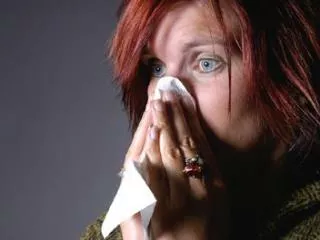
Signs/Symptoms • The common cold usually brings on a runny nose, sore throat, and coughing; all of which can last for two weeks. • Other symptoms include: watery eyes, mild headache, and mild body aches.
Diagnosis • The common cold isn't a particularly nasty condition but some circumstances may arise in which a doctor should be notified, such as: • A fever running higher than 100.4°F • Symptoms lasting for more than ten days • Symptoms aren’t relieved by over-the-counter medicines
Treatment • A vaccine isn’t really possible seeing as how many variants of the common cold exist. There are over 200 different agents that cause the common cold (each with different serotypes). • Since the common cold is produced by a virus, antibiotics are ineffective. • Symptoms can be relieved by cough suppressants and antihistamines, but this will not help recovery time
Complications • Rhino virus it thought to be an airborne virus • Through the air, it can cause infections in the upper respiratory tract and other complications such as laryngitis. • It is also thought that the likelihood of obtaining the rhinovirus increases with the following: • Colder weather • Close, indoor contact • Psychological changes
Sources • http://www.cdc.gov/getsmart/antibiotic-use/URI/colds.html • http://staff.science.uva.nl/~rhd/r14_ico.GIF • http://findarticles.com/p/articles/mi_m0815/is_2001_Jan/ai_68277444/ • http://bmi.osu.edu/bioinformatics/Coronavirus.jpg • http://www.eslkidstuff.com/images/sneeze.gif