
Mine Examination
E N D
Presentation Transcript
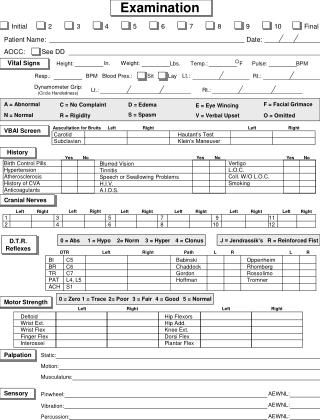
Mine examination • Careful scrutiny of a mineral property in order to form an opinion or judgement • of its present worth • or future possibilities • A mine is any artificial excavation made for the purpose of winning mineral values. This includes • Open-pit and underground metal, coal workings, quarries, oil and gas, salt mines… • Excludes all digging made for commercial purposes
Purpose of Mine Examination • When change of ownership is considered • Appraisal for tax purposes • When funds are acquired through sale of stock • When planning broad revision of operating methods or installation of important long-life equipment
Types and scope of mine examination • Preliminary examination • Rapid survey of a property covering more essential features (some sampling, brief geological survey, some mapping, a rough cost setup and an estimation of management) • Formal examination • Detailed survey of a property • Lengthy process (Usually takes 1-6- months)
Qualifications of an examining engineer • Sound reasoning abilities (properly weigh component parts, is logical) • Honesty • Working knowledge of geologic principles and ability to apply on local conditions • An understanding of sampling theory and practice • Knowledge of mining methods and there effect on production cost • Working knowledge of mineral dressing • Ability to compute production costs and estimate profits • Knowledge of economic principles and business conditions and their effect on mining industry • An understanding of money values
Professional ethics “Every precaution should be taken to avoid the influence of question of compensation upon the engineers judgment and opinion.” • Examining engineer must be unbiased in his opinion • Should not have personal or monetary interest in the property he is inspecting • Must ascertain the true purpose of the examination
Economics the management of scarce resources on the earth for social development of human being.
Planning of field work • Field work involved in a mine varies widely, depending upon • The type of property under examination • The familiarity of the engineer with the mine • The purpose of examination
Examining a Prospect • Prospect “What chance has it to become a mine” • Work is carried out along the following lines: • Geology, • Drilling records, • Sampling of outcrops and pits, • Estimate of plant cost, transportation, • Market conditions and future possibilities
Examining Old working • Old workings: • Faulting was not understood, primitive mining techniques used with cheap labour, mining below water table was not possible • Make the map of the property and place the geology on it • Working can be sampled to determine whether profits can be made from modern methods
Examining an operative property • Estimate the past and present management • Study of office data, maps, drill records, sample maps, cost sheets, productive history • Underground geologic study • Check sampling at vital points • Study of methods to find weaknesses • Survey of plant, equipment • Estimate of future costs, life and expected profits • Computation of value
Purpose and scope of examination • The purpose and scope of examination will decide the extent of examination. • Geography: mine maps, town map, transportation, freight and weather • History • Legal: Changes of ownership, tax history, leases, royalties, suits • Productive: Production record since beginning, shutdowns, comparison • Financial: Capitalization, profits, yearly statements, present standing • Management: Personnel & Organization, Comparison, efficiency
Geographical location • More important for undeveloped mines • Railway facilities: freight costs being most important • Powerlines • Town sites • Nearness to market
Legal history • Inspection of the legal history of the property should cover • all land and mineral titles and deeds • All transfers of title • All recorded documents to show acreage and rights are included in property • Disclose errors, conflicts in title • Rentals, leases, royalty/sale contracts and any long-time agreements
Productive record • The productive history of the mine gives a record of the past achievements to base estimates of future capabilities • Particular attention should be paid to determine causes and effects of shutdown • Correctness of accounting practice: • distinction between capital and operating costs • When Expense items are improperly charged to capital accounts, depreciation is not accounted, loss turned into profit
Financial structure • Itemization of financial structure and cost summaries for the past years: • Confirms the examiners judgement • Gives a general picture of financial standing of the business and attitude of the shareholders or owners • Summary of yearly profits furnishes rough gauge of the past success
Management • Management is the influence that coordinates land, capital and labor. • Mangement responsibilities • Direct: managing salaries and wages • Indirect: planning the work • Management is the most important factor (90%) in the success of a business • Costs obtained at a mine are largely dependent on management • Good management looses small amount of money on poor property, small profit on a fair property and will make a bonanza out of a good one
Criterion of assessing management • An examiner builds from his experience has laid out criterion upon which a mangement can be assessed • Safety conditions in a mine is used as a barometers • Good housekeeping at a mine may indicate efficient direction • Conditions of cars used for hauling ore • Are the records, maps and estimates such that a clear presentation is made of the whole situation • Does the management plan the work or merely measure it afterwards • The ratio between the amount paid and results obtained is worthy of notice
Purpose and scope of examination Contd. • Geology: District maps, surface, underground • Sampling: study of all records, correlation with geology • Estimate of ore reserve • Methods and costs • Mining: method in use, recovery, advisable improvements, estimate most economical rate of mining and corresponding life • Milling: Flow sheet and details of all unusual features, percent of recovery, water supply; space available for tailings
Purpose and scope of examination Contd. • Marketing: sale of ore or metal, smelter contracts, by products possibilities • Valuation: Values for years, life, profit, interest rates, present and future worth • Plant and equipment: • Underground: Condition of Shafts, Plats, drifts, crosscuts raises; pumps • Surface: head frame, hoist, power plant, shops, mills; conditions of machinery • Miscellaneous: Timber ,land ,power; labour, ,wages, disputes; local govt; liabilities • Economic situation: Avge profits, future prospects, future earning power
Assignment No: 2 Gold and Silver as monetary metals Due: 23-02-2010 OR Assignment No: 2 Causes of recent (2005-20010) changes in prices of Copper and Gold Due: 23-02-2010
Fundamentals of project financing Project financing: • Financing of a particular economic unit in which a lender is satisfied to look initially • to the cash flows and earnings of that economic unit (as the source of funds from which a loan will be repaid) • and to the assets of the economic unit as collateral (property or valuable that you promise to give if you cannot pay back money that one borrows) for the loan. • Lenders initially look to the cash flow from the project being financed rather than the corporation or corporations seeking funding.
Fundamentals of project financing • The ultimate goal in project financing is • To arrange a borrowing for a project which will benefit the sponsor and at the same in no way affecting its credit standing or balance sheet. • Project financing has great appeal when it does not have a substantial impact on the balance sheet or the creditworthiness of the sponsoring entity.
Fundamentals of project financing • The moving party in a project is its promoter or sponsor. A project may have one or several sponsors. • The motivation of construction companies acting as sponsors is to profit in some way from the construction or operation of the project. • The motivation of operating companies for sponsoring a project may be simply to make a profit from selling the product produced by the project. • In many instances the motivation for the project is to provide processing or distribution of a basic product of the sponsor or to ensure a source of supply vital to the sponsor’s business.
Borrowers vs Lenders Borrowers: • prefer their projects to be financed independently • off-balance sheet with appropriate disclosures in financial reports indicating the exposure of the borrower to a project financing. Lenders: • on the other hand, are not in the venture (a business project especially one that involves taking risks) capital business. • are not equity (value of a property after all charges/debts have been paid) risk takers. • want to feel secure that they are going to be repaid either by the project, the sponsor, or an interested third party.
successful project financing • The key to a successful project financing is structuring the financing of a project with as little recourse (use of others help in difficulty) as possible to the sponsor • while at the same time providing sufficient credit support through guarantees or undertakings of a sponsor or third party, so that lenders will be satisfied with the credit risk. • If correct financial planning was done, revenues from the sale of the product produced or service performed should be • sufficient to service debt • interest and principal • pay operating costs • and provide a return to sponsors and investor
successful project financing (contd) • a satisfactory feasibility study and financial plan should be prepared with realistic assumptions regarding future inflation • rates and interest rates; • the cost of product or raw materials to be used by the project is assured; • a supply of energy at reasonable cost has been assured; • A market exists for the product, commodity, or service to be produced; • transportation is available at a reasonable cost to move the product to the market; • Adequate communications are available; • building materials are available at the costs contemplated; • the contractor is experienced and reliable; the operator is experienced and reliable; • management personnel are experienced and reliable;
successful project financing (contd) • untested technology is not involved; • the contractual agreement among joint venture partners, if any, is satisfactory; • the key sponsors have made an adequate equity contribution; • satisfactory appraisals of resources and assets have been obtained; adequate insurance coverage is contemplated; • the risk of cost overruns has been addressed; • the risk of delay has been considered; • the project will have an adequate return for the equity investor; • environmental risks are manageable.
Project financing (contd) • When the project involves a sovereign (free to govern itself) entity, the following critical elements are important to consider ensuring the success of a project: • a stable and friendly political environment exists; • licenses and permits are available; contracts can be enforced; • Legal remedies exist; • there is no risk of expropriation; • country risk is satisfactory; • sovereign risk is satisfactory; • currency and foreign exchange risks have been addressed; • protection from criminal activities such as kidnapping and extortion; • existence of a commercial legal system protecting property and contractual rights.
Risks in Project financing • common causes for project failures, which include the following: Delay in completion, with consequential • increase in the interest expense on construction financing and delay in the contemplated revenue flow; • Capital cost overrun; Technical failure; Financial failure of the contractor; Uninsured casualty losses; • Increased price or shortages of raw material; Technical obsolescence of the plant or equipment; Loss of • competitive position in the marketplace; Poor management; Overly optimistic appraisals of the value of • pledged security, such as oil and gas reserves. In addition, for projects in a foreign country, the following • are causes for project failures: government interference; expropriation and financial insolvency of the host • government. For a project financing to be successfully achieved, these risks must be properly considered, • monitored, and avoided throughout the life of the project.
Risks in Project financing • When investors consider financing a mining project, they analyze the current state of the • industry (supply, demand and price factors), the company (cost profile, operating • efficiency, technology, labour factors, access to raw materials, reserve replacement • strategy, contingency and emergency planning, safety and environmental record, • management) and the country where the project will be located (political risk). All these • aspects are important as mining projects can experience various difficulties. For • example, the US$900 million Gamsberg zinc project in South Africa is on hold due to • poor market conditions.7 The Windy Craggy copper zinc project in Canada was • permanently halted in 1993 due to environmental concerns and transboundary pressures.8
Mineral Financing • The global mining industry is dominated by some 10 large companies whose total market • capitalization is US$92billion. • Mining itself has a huge impact on surrounding communities, • leaves a large environmental footprint and is controversial largely because of issues