Download

1 / 9
90 likes | 205 Vues
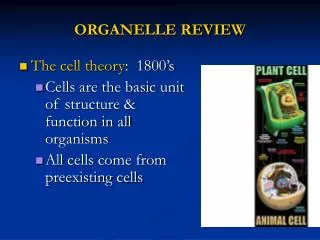
This overview explores critical cell organelles and their vital roles in cell function. The cell membrane forms a lipid bilayer that protects the cell and facilitates transport. The cell wall provides rigidity to plant cells, while the nucleus safeguards DNA. Chloroplasts convert light energy to chemical energy, and mitochondria generate ATP from glucose. Ribosomes are essential for protein synthesis, and the cytoplasm is a medium for organelle movement. Additional organelles like lysosomes, the endoplasmic reticulum, the Golgi apparatus, and vacuoles contribute to cellular activities.

E N D
NBO 1 Organelle
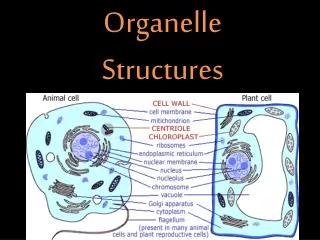
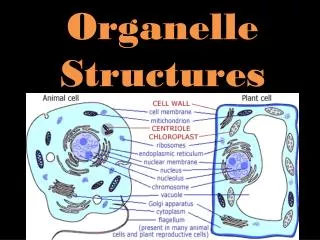
Cell Membrane • ROLE: Forms a lipid bilayer around the cell that protects; while aiding in transporting material in and out. • KEYWORDS:
Cell Wall • ROLE: Forms a rigid cellulose based wall around plant cells. Cell membrane inside; Cell wall outside. • KEYWORDS:
Nucleus • ROLE: Is surrounded by the nuclear membrane and contains/protects the DNA inside. • KEYWORDS:
Chloroplast • ROLE: Absorbs light energy from the sun and converts it into chemical energy (glucose). • KEYWORDS:
Mitochondria • ROLE: Takes in glucose and produces ATP via a biochemical pathway • KEYWORDS:
Ribosome • ROLE: Uses mRNA to assemble proteins in the correct order as determined by DNA • KEYWORDS:
Cytoplasm • ROLE: A water based matrix that fills the cell and allows organelles and chemicals to move around • KEYWORDS:
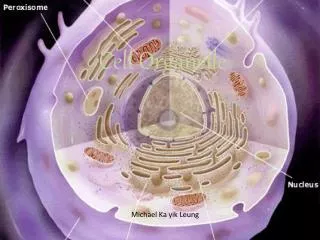
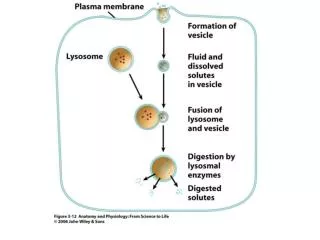
Other Organelles • Lysosome • Rough Endoplasmic Reticulum • Smooth Endoplasmic Reticulum • Golgi Apparatus • Vacuole • Cytoskeleton • Nuclear membrane