Download
1 / 10
100 likes | 209 Vues
The Renaissance marked a transformative period in European history, emerging in Italy around 1300 AD after the devastation of war and plague. Survivors sought to redefine their lives, yearning for the lost knowledge and culture of ancient Greece and Rome. This era witnessed a flourishing of art, literature, and science, driven by the intellect of humanism, which emphasized human potential and achievement. Wealthy merchants and patrons, such as the Medici family, funded artists and supported the revival of classical ideals, while educated individuals aspired to be “Renaissance Men” and Women.

E N D
The Renaissance Rebirth
Why? • Warand Plague and destroyed Europe's population. • Survivors looked at life with a new view • Wanted to live, not be told how to live • Wanted to bring back what they thought was lost • Wanted to be daring • Changed lifestyles for all of Europe • A Rebirth
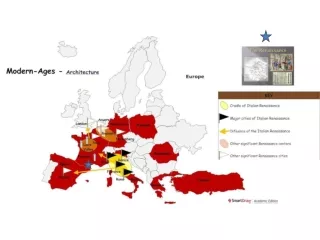
Starts in Italy • Explosion of Art, Writing, Science begins around 1300 AD in Italy • Wanted to bring back the life and culture of ancient Greece and Rome • Italy had advantages which made it the home for the Renaissance • Thriving Cities • A wealthy merchant class • Classical heritage of Greece and Rome
Advantages • Cities • Home to the crusade ports • People came through Italy from all over Europe • Brought population and wealth • Merchants • Plague brought economic changes • Survivors could demand higher wages • Merchants who struggled tried other businesses • Medici • A banking family that took over the city of Florence • used his wealth, wit, and Job to influence the government and become a dictator, with the appearance of an elected government
Looking Backwards • Greece and Rome • Looked to the art and literature of the pas empires and had a desire to return to the learning that was going on then • Drew inspiration from the ruins that surrounded them • Studied Latin • Took back the documents from the Muslim libraries in Constantinople
The Classics • The old manuscripts and writings from Greece and Rome were studied • They became “the classics” • Led to Humanism • An intellectual movement that focused on Human Potential and achievement • Brought a change to lifestyle • Encouraged study of History, Literature, and Art • The Humanities
Enjoy Life • Middle ages encouraged plainness, and showing simplicity to the lord • Renaissance encouraged enjoying life without offending god • Enjoyed luxuries, music, and food
Patrons of Art • Church leaders encouraged the beautifying of Rome • Spent large amounts of money to pay artists • Patrons- Financially supporting artists • Wealthy leaders also paid for sculptures and portraits and donated works to the city or church • Showed off their importance
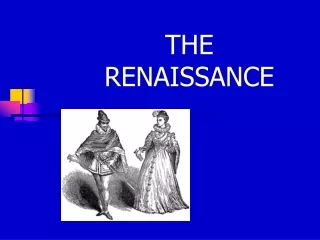
The Renaissance Man • Introduced the Idea that all educated people were expected to create Art • Strove to master almost every area of study • If you excelled in many fields, was praised as a “Universal Man” • How to Become a “Renaissance Man” • Charming, witty, well educated in the classics • Dance, Sing, Play Music, and Write Poetry • Skilled Rider, Wrester, Swordsman
Renaissance Woman • Upper-class Women should know the Classics and be Charming • Don’t seek fame • Inspire art, rarely Create it • Was better educated than Medieval women but had little influence • Some women worked to gain more influence • Isabella d’Este • Married a rule of a city state and used he influence to become a patron and a rule in times of need