Download
1 / 10
100 likes | 218 Vues
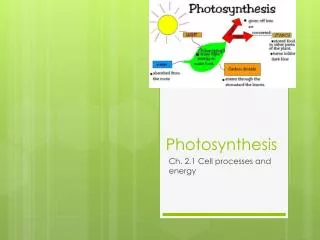
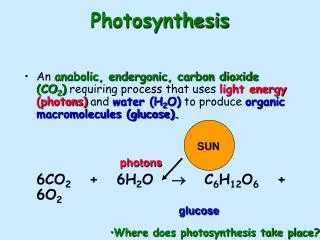
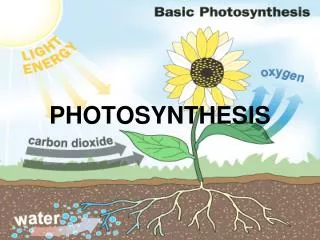
Photosynthesis is the essential process by which plants produce their own food. It occurs in chloroplasts, where chlorophyll captures sunlight, beginning the transformation of carbon dioxide and water into glucose. Small openings called stomates on leaf undersides allow carbon dioxide to enter while facilitating the release of oxygen—a vital byproduct of this process. Water is absorbed by the roots and transported through the xylem, aiding in the production of sugar. This remarkable process not only sustains plants but also supports life on Earth by providing oxygen.

E N D
Photosynthesis The Way plants make their own food
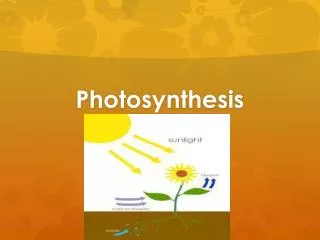
Stomates • Small openning on the underside of the leaf that open and close
Carbon dioxide • Carbon dioxide enters the leaf through the stomates
roots • Roots absorb water from the ground and send it up to the leaves through the stem (xylem tubes)
chloroplast • Chloroplasts are cell organelles that hold the chlorophyll
chlorophyll • Chlorophyll is the green substance that captures the energy from the sun
The process • Chlorophyll captures energy from the sun
Carbondioxide • Carbon dioxide comes into the leaf from the stomates as water is let out
Making of sugar • The energy from the sun breaks about the water molecule which gets mixed with the carbon dioxide to make simple sugar
Waste product • The waste product of photosynthesis is oxygen, which allows us to exist