
SlideServe
Menu
Préférences
© SlideServe · v2026

DDT

edna avatar
20 diapositives · 462 Views · Jul 31, 2014

DDT. DDT was the first synthetic pesticide of the modern age. It promised much, but ultimately created widespread concern as an environmental hazard. . DDT: what is it?. DDT is one of nine persistent organic pollutants ( POPs )
DDT - slide 1
01 / 20DDT
1 / 17

Télécharger la présentation

DDT
Une image / un lien ci-dessous est fourni (tel quel) pour télécharger la présentation

Politique de téléchargement : le contenu du site vous est fourni TEL QUEL pour votre information et votre usage personnel ; il ne peut être vendu, concédé sous licence ni partagé sur d’autres sites sans l’accord de son auteur.Le contenu vous est fourni TEL QUEL, pour votre information et votre usage personnel uniquement. Téléchargez la présentation en cliquant sur ce lien. Lors du téléchargement, si vous ne parvenez pas à télécharger une présentation, l’éditeur a peut-être supprimé le fichier de son serveur.Pendant le téléchargement, si vous ne parvenez pas à obtenir une présentation, le fichier a peut-être été supprimé par l’éditeur.

F I N

Plus de contenu associé

Transcription de la présentation
  1. DDT

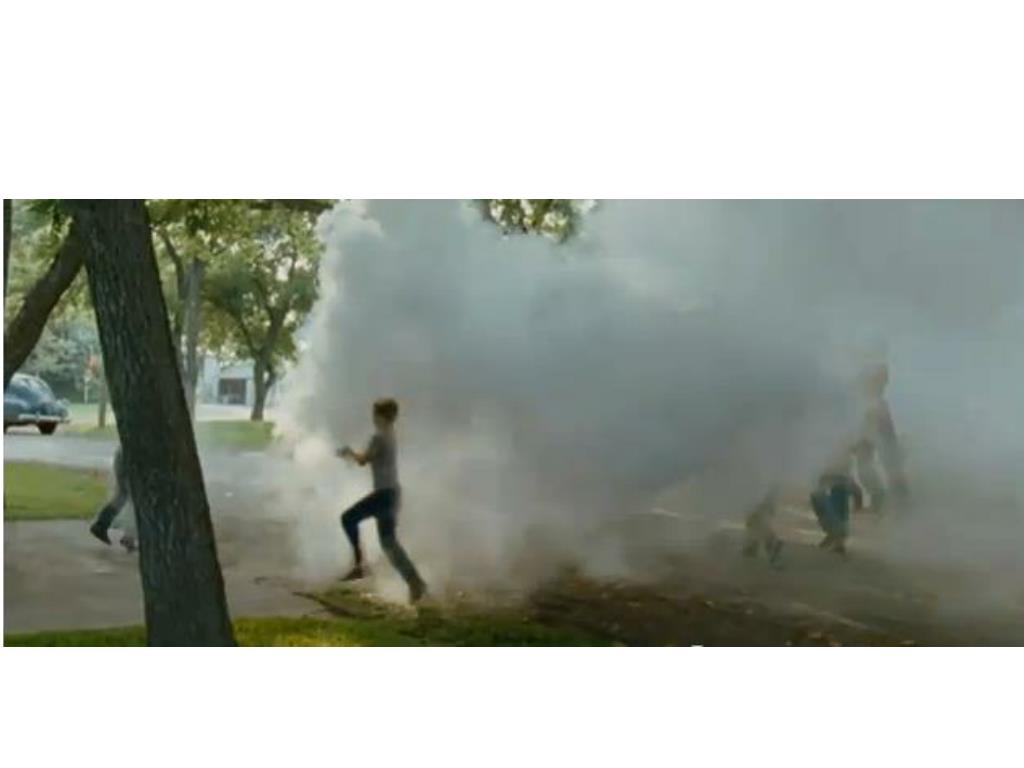
  2. DDT was the first synthetic pesticide of the modern age. It promised much, but ultimately created widespread concern as an environmental hazard.

  3. DDT: what is it? DDT is one of nine persistent organic pollutants (POPs) DDT - originally World War II, control typhus which was spread by the body louse. 1955 – WHO – eradication plan for mosquito borne malaria Extensively used - general agricultural insecticide until 80s.

  4. 1950s - resistance problems 1960s - serious environmental problems Then: wide-ranging restrictions on its use Now: studies show environmental persistence bioaccumulation mimics hormones so disrupt endocrine systems in wildlife and possibly humans

  5. Not soluble in water Soluble in lipids (fats) Builds up in fatty tissue Soil half life – 22 days to 30 years

  6. Build up of non-biodegradable chemicals in bodyConcentration of non-biodegradable chemicals increasing at each trophic level • Bioaccumulation • Biomagnification

  7. DDT led to decline of the bald eagle

  8. Human health – disputed facts Farmers – asthma and/or diabetes Exposed people - increased risk of some cancers • miscarriage, premature birth, low birth weight • Increased infertility in men

  9. Malaria

  10. Malaria • 250 million cases each year • 1 million deaths a year • 90% of deaths in Africa • 2006 – 13 countries still using it • Many aid agencies won’t give aid if a country uses DDT

  11. The ban 1970s and 80s – banned in most MEDCs USA – 1972 UK – 1984 Worldwide ban on agricultural use in the Stockholm Convention India and N Korea still use it for agriculture

  12. Write down the true statements and change the false ones to make them true • DDT decreases along a food chain • Bioaccumulation of DDT occurs • Biomagnification of DDT occurs • DDT was originally used in WW1 to control cholera • DDT was used on farms to kill rats

  13. f) DDT was used to kill mosquitoes g) Pests became resistant to DDT h) Water small fish zooplankton large fish eagles fish-eating birds • Babies get asthma and / or diabetes j) Exposed people suffer cancer and pregnancy/birth problems. k) Malaria affects 1 million people a year

  14. m) In 2000 it was banned in most MEDCs n) The Oslo Convention stopped its use in agriculture worldwide.

  15. The answers • DDT increases along a food chain • Bioaccumulation of DDT occurs • Biomagnification of DDT occurs • DDT was originally used in WWII to control typhus • DDT was used on farms to kill pests

  16. f) DDT was used to kill mosquitoes g) Pests became resistant to DDT h) Water zooplankton small fish large fish fish-eating birds eagles i) Farmers get asthma and / or diabetes j) Exposed people suffer cancer and pregnancy/birth problems. k) Malaria affects 250 million people a year

  17. m) In 1970s/80s it was banned in most MEDCs n) The Stockholm Convention stopped its use in agriculture worldwide.