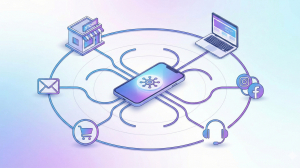
In today's hyper-connected marketplace, customers expect seamless experiences across every touchpoint with your brand. Whether they're browsing on mobile, shopping in-store, or engaging on social media, the journey should feel cohesive and personalized. This is where omnichannel strategies become essential for business success. Unlike multichannel marketing, which simply uses multiple platforms independently, omnichannel marketing creates an integrated ecosystem where all channels work together harmoniously. Brands that master this approach see 91% higher customer retention rates compared to those that don't. Let's explore seven powerful omnichannel strategies that every brand should implement to stay competitive.
1. Create a Unified Customer Data Platform
The foundation of any successful omnichannel strategy lies in understanding your customers across all touchpoints. A unified customer data platform consolidates information from every interaction website visits, purchase history, social media engagement, customer service inquiries, and in-store behavior.
This comprehensive view enables you to deliver personalized experiences regardless of where customers engage with your brand. When a customer abandons their cart on mobile and later visits your physical store, your sales team can access that information and provide relevant assistance. Many successful brands partner with an omnichannel marketing agency to implement robust data integration systems that break down silos between departments and channels.
2. Implement Cross-Channel Inventory Visibility
Nothing frustrates customers more than finding a product online only to discover it's unavailable when they try to purchase. Real-time inventory visibility across all channels eliminates this pain point and opens up new fulfillment possibilities.
Enable features like buy online, pick up in-store (BOPIS), reserve online and try in-store, or ship from store. This strategy not only improves customer satisfaction but also optimizes your inventory management. When customers can see exactly what's available and where, they're more likely to complete their purchase rather than abandoning it for a competitor.
3. Personalize Communication Across Every Touchpoint
Generic, one-size-fits-all messaging no longer resonates with modern consumers. Successful omnichannel strategies leverage customer data to deliver personalized communications that feel relevant and timely.
Use behavioral triggers to send targeted messages through the right channel at the right time. If a customer browses winter coats on your website, follow up with personalized email recommendations, retargeting ads featuring similar products, and in-app notifications when those items go on sale. The key is maintaining consistent messaging and branding while adapting the content to each customer's preferences and stage in the buying journey.
4. Integrate Social Commerce Seamlessly
Social media platforms have evolved from brand awareness channels into powerful sales engines. Instagram Shopping, Facebook Marketplace, TikTok Shop, and Pinterest Buyable Pins allow customers to discover and purchase products without leaving their favorite apps.
Integrate these social commerce features into your broader omnichannel ecosystem. Ensure that product information, pricing, and availability remain consistent across your website, mobile app, and social platforms. Allow customers to start their journey on Instagram and seamlessly continue it on your website or in-store. This fluid experience increases conversion rates and reduces friction in the customer journey.
5. Optimize Mobile as a Bridge Between Digital and Physical
Mobile devices serve as the ultimate connector in omnichannel experiences. Customers use their smartphones to research products while shopping in store, compare prices, read reviews, and access digital coupons.
Develop a mobile strategy that enhances both online and offline experiences. Implement features like in-store navigation, mobile checkout to skip lines, augmented reality try-ons, and location-based promotions. QR codes can bridge physical products to digital content, providing additional product information, styling tips, or user-generated content. Working with an omnichannel marketing agency can help you identify the most impactful mobile features for your specific audience.
6. Deliver Consistent Customer Service Everywhere
Customer service represents a critical touchpoint in the omnichannel experience. Whether customers reach out via chat, email, phone, social media, or in person, they expect consistent, high-quality support with full context of their history with your brand.
Implement a centralized customer service platform that gives representatives access to complete customer profiles, including previous interactions, purchase history, and ongoing issues. Enable customers to start a conversation on one channel and continue it on another without repeating information. Offer self-service options like AI chatbots and comprehensive knowledge bases that maintain the same helpful tone as your human representatives.
7. Measure and Optimize the Complete Customer Journey
The final essential strategy involves continuously measuring performance across all channels and touchpoints. Traditional single-channel metrics don't tell the complete story in an omnichannel environment. Implement cross-channel attribution models that recognize how different touchpoints contribute to conversions. Track metrics like customer lifetime value, cross-channel engagement rates, and seamless experience indicators. Use these insights to identify friction points, optimize underperforming channels, and double down on what works. Regular testing and iteration ensure your omnichannel strategy evolves with changing customer expectations and technological capabilities.
The Path Forward
Implementing these seven omnichannel strategies requires commitment, investment, and often, expert guidance. The complexity of integrating multiple systems, channels, and data sources can overwhelm even experienced marketing teams. That's why many forward-thinking brands choose to partner with an omnichannel marketing agency that specializes in creating seamless, integrated customer experiences.
The payoff, however, is substantial. Brands with strong omnichannel customer engagement retain an average of 89% of their customers, compared to just 33% for companies with weak omnichannel strategies. In an era where customer experience differentiates winners from losers, omnichannel excellence isn't optional—it's essential for survival and growth.
Start by assessing your current capabilities across these seven areas, identify the gaps, and prioritize improvements based on your customers' preferences and behaviors. The journey to omnichannel excellence is ongoing, but every step brings you closer to delivering the seamless, personalized experiences that today's customers demand.