Chronic-CareManagement-Programmes
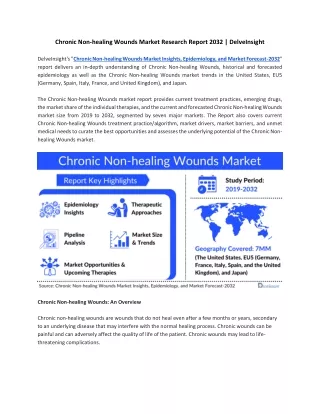
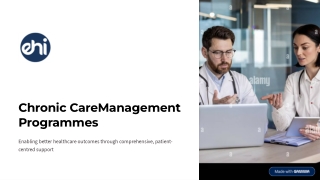
u201cChronic Care Management programmes help providers monitor patients, improve outcomes, reduce hospital visits, and ensure continuous, coordinated care.u201d

Chronic-CareManagement-Programmes
E N D
Presentation Transcript
Chronic CareManagement Programmes Enabling better healthcare outcomes through comprehensive, patient- centred support
THE CHALLENGE Why Chronic Care Management Matters Over 15 million people in the UK live with chronic diseases, which account for 70% of all deaths globally. These long-term conditions4 including diabetes, heart disease, asthma, and arthritis4require ongoing, personalised care that extends far beyond occasional appointments. 15M 70% UK residents Global deaths Living with chronic conditions Attributed to chronic diseases Effective chronic care management transforms lives. It improves quality of life, prevents costly complications, and empowers patients to take control of their health journey.
FRAMEWORK Core Components of Chronic Care Management Successful programmes integrate multiple elements to deliver comprehensive, coordinated care that addresses the complex needs of patients with long-term conditions. Personalised Care Plans Interdisciplinary Teams Detailed patient assessments inform tailored treatment strategies with regular monitoring and adjustment based on individual progress and changing needs. Doctors, nurses, pharmacists, and allied health professionals work together to provide holistic, coordinated support across all aspects of patient care. Patient Education & Support Digital Tools & Resources Empowering patients through self-management education, encouraging sustainable lifestyle changes, and ensuring medication adherence for better outcomes. Leveraging technology and community resources to enhance patient engagement, improve communication, and ensure continuity of care beyond clinical settings.
BEST PRACTICE Proven Strategies & Models in Practice 1 NHS England's Comprehensive Model Integrates shared decision-making, social prescribing, and supported self-management. This framework places personalised care at the heart of the NHS, ensuring patients are active partners in their treatment journey. 2 The Chronic Care Model Developed by Edward H Wagner, this evidence-based framework emphasises community resources, healthcare system organisation, clinical information systems, and patient empowerment through productive interactions. 3 Real-World Success: Eric Moore Partnership This medical practice delivers tailored treatment plans combined with lifestyle guidance, demonstrating measurable improvements in patient outcomes across multiple chronic conditions through coordinated, proactive care.
Take Action: Transform Chronic Care Delivery The path forward requires commitment, collaboration, and strategic implementation of evidence-based approaches that put patients at the centre of care. Invest in Training Implement Proactive Models Leverage Technology & Community Equip healthcare teams with best practices in chronic disease management, ensuring staff have the skills and knowledge to deliver exceptional care. Deploy personalised care approaches that engage patients as active partners, fostering shared decision- making and long-term commitment to health goals. Utilise digital tools and community support systems to sustain improvements, enhance accessibility, and maintain continuity of care beyond the clinic. Together, we can reduce the burden of chronic disease and enhance lives across the UK through comprehensive, compassionate, and coordinated care.