An Attendance Tracking Software System is a digital solution intended to automate the processes of recording, monitoring, and managing employee attendance. It replaces traditional manual methods like paper timesheets, punch clocks, or spreadsheets with computerized tools that improve accuracy, efficiency, and transparency. These systems are utilized in various industries, from small businesses to large enterprises, to ensure precise timekeeping, streamline payroll, support compliance with labor regulations, and provide insights into workforce patterns.
At its core, an attendance tracking system records when employees start and end their work, including breaks, overtime, and leave. Modern systems utilize various technologies for recording attendance, including web-based check-ins, biometric devices (such as fingerprint or facial recognition scanners), RFID or smart card swipes, mobile apps with GPS validation, and integrations with laptop or desktop login/logout records. These methods offer flexibility, allowing organizations to select solutions that best align with their work environment, whether on-site, remote, or hybrid.
A primary function of such software is to ensure accurate payroll. Attendance systems directly feed data into payroll modules or export information to payroll software, eliminating errors associated with manual entry and reducing administrative time. By automatically calculating hours worked, overtime, tardiness, and absences based on predefined rules (such as shift schedules, break policies, and labor laws), the system facilitates fair employee compensation and helps organizations comply with employment regulations.
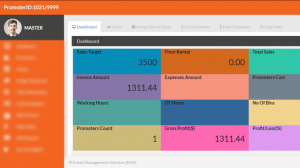
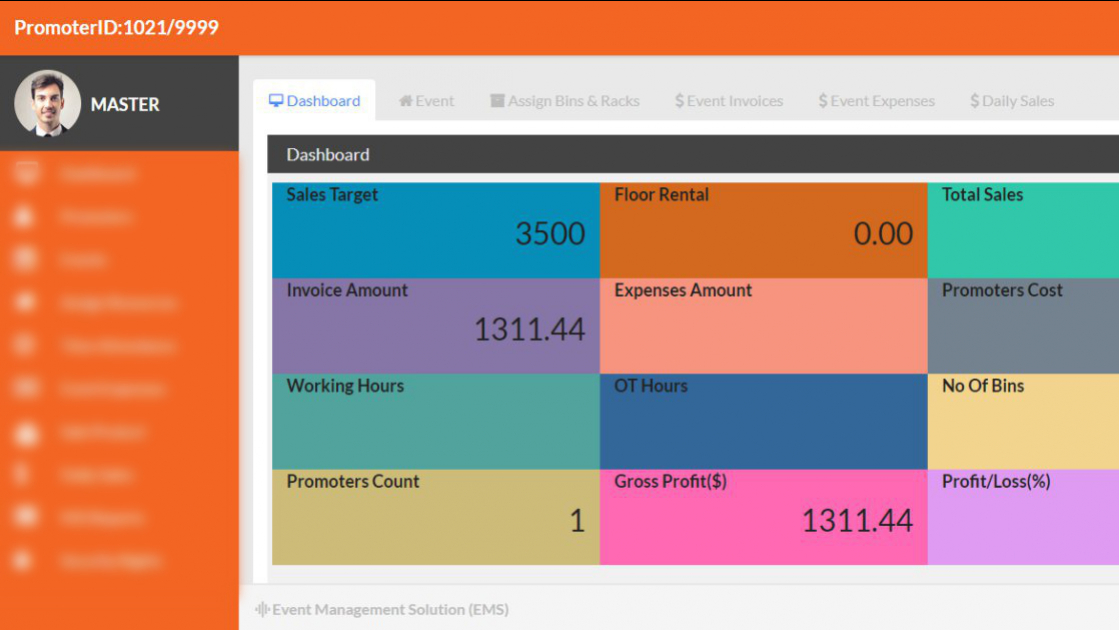
In addition to payroll processing, attendance tracking systems provide real-time monitoring and reporting. Managers and HR teams can access dashboards summarizing attendance trends, absenteeism rates, late arrivals, and shift adherence. These analytics assist in identifying patterns, such as recurring lateness in specific teams that may require managerial focus or policy changes. Customizable reports can also aid in performance evaluations, compliance audits, and workforce planning.
A modern attendance system typically integrates with other organizational software, including HR management systems, access control platforms, and project management tools. This connectivity creates a cohesive ecosystem where employee data flows seamlessly between systems, minimizing duplication and enhancing decision-making. For instance, attendance data linked with project hours can improve cost tracking and resource distribution.
Mobile accessibility has become an essential aspect, particularly for remote and field workers. Mobile attendance applications enable employees to check in and out via their smartphones, often incorporating GPS or geofencing features for location validation. This ensures accurate attendance data for employees who are not physically present at a central workplace. Additionally, notifications and alerts—such as reminders to clock in or warnings about approaching overtime—help employees and managers stay informed and compliant.
While the advantages are considerable, implementing an attendance tracking system necessitates careful planning concerning employee privacy and communication. Organizations should clearly communicate what data is collected, how it will be used, and the duration of storage. Transparent policies foster trust and assist in ensuring compliance with privacy regulations such as GDPR, CCPA, or other local data protection laws.
In conclusion, an attendance tracking software system is a significant tool that enhances the way organizations monitor and manage employee time. By improving accuracy, reducing administrative burdens, supporting compliance, and delivering actionable insights, it promotes operational efficiency and fairness in the workplace. When implemented with clear policies and active employee engagement, it serves as an essential component of modern workforce management.