Cultivating Self-Compassion: Understanding and Healing Through Early Influences
30 likes | 157 Vues
This guide explores the powerful impact of early influences—parents, siblings, and school—on self-identity and coping mechanisms. By examining learned beliefs and internal dialogues, we can challenge self-criticism and foster self-kindness and mindfulness. Engaging with our inner child, we learn to balance helpful and unhelpful coping strategies, transforming pain into growth. Through valuing autonomy, nurturing intimacy, and exploring our emotional experiences, we can enhance our well-being and develop healthier behaviors. Discover the path to effective self-soothing and emotional resilience.


Cultivating Self-Compassion: Understanding and Healing Through Early Influences
E N D
Presentation Transcript
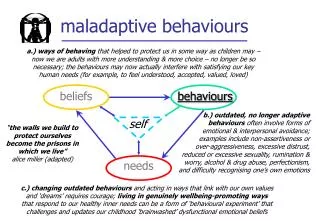
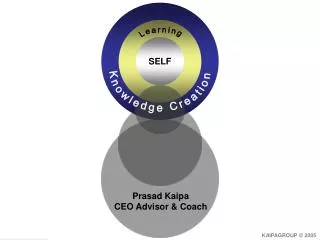
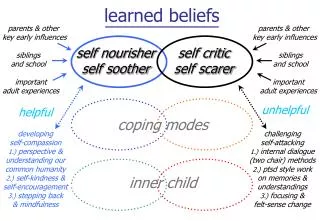
parents & other key early influences parents & other key early influences siblings and school siblings and school important adult experiences important adult experiences learned beliefs self critic self scarer self nourisher self soother unhelpful helpful coping modes developing self-compassion 1.) perspective & understanding our common humanity 2.) self-kindness & self-encouragement 3.) stepping back & mindfulness challenging self-attacking 1.) internal dialogue (two chair) methods 2.) ptsd style work on memories & understandings 3.) focusing & felt-sense change inner child
inner child promoting & enhancing wellbeing 1.) clarifying values growing autonomy 2.) nourishing intimacy & shared activities 3.) becoming capable & effective in chosen areas of interest hearing, soothing, & encouraging 1.) self-compassion for inner pain 2.) expressing & transforming anger 3.) setting & keeping to chosen healthy behaviours learned beliefs coping modes helpful unhelpful curious, exploring child sad, anxious helpless child happy child wounded child sociable child angry child playful, creative child undisciplined impulsive child