Download

1 / 11
110 likes | 125 Vues
Fire can be very dangerous. Not only can it end property, but it can take lives. The likely for fire in the place of work is not rather to take casually. The workplace can be a very susceptible environment allowing for the number of people typically present in the building. However, with good fire safety training and set methods put in place, the complete safety of the entire building can be much better.<br>https://firereadyaustralia.com.au/training-fire-warden-eco/

E N D
Why Fire Safety Training is Important? why should staff have training for emergencies
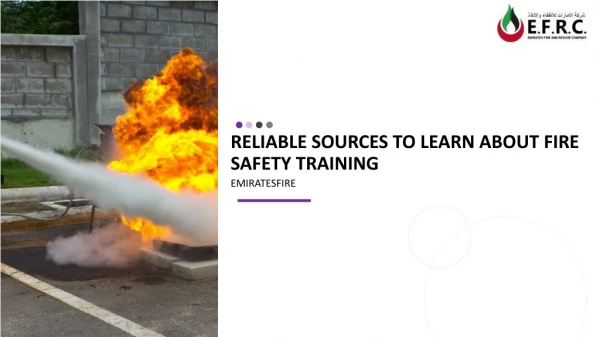
Good Fire Safety Training And Set Methods Put In Place • Fire can be very dangerous. Not only can it end property, but it can take lives. The likely for fire in the place of work is not rather to take casually. The workplace can be a very susceptible environment allowing for the number of people typically present in the building. However, with good fire safety training and set methods put in place, the complete safety of the entire building can be much better. • Deprived of proper training a small incidence can rapidly produce to develop a major event with shocking consequences. Everybody is at danger if there is a fire. Though, there are particular workers who may be at a larger risk because of when or where they work, or because they're not aware with the properties or the equipment at the work place.
The primary outcomes of fire are: • Demise- although this is an undeniable danger, generally couple of individuals pass on in building fires that are not in homes. About portion of all passings are expected to being overwhelmed by gas or smoke. • Injury - about 10% of all close to home wounds announced every year are brought about by fire. • Building harm - can be exceptionally huge, especially if the structure materials have helpless protection from fire and there is practically no underlying fire security;
4. Loss of business and occupations • it is assessed that about 40% of organizations don't fire up again after a huge fire. Many are under, or not safeguarded and little organizations regularly can't bear the cost of the time and cost of setting up again when they presumably still have old obligations to support;
5. Natural harm • from the fire or potentially battling the fire - putting out fires water, the results of burning and detonating building materials, for example, asbestos concrete rooftops, can debase huge regions around the fire site.
Reasons Fire Safety Training Is So Important: Knowing Fire Hazards 2. Fire Risk Assessment when you are applying fire safety training, you need to look at the place of work from an outdoor viewpoint to actually see what essentials to be done to stop a fire, to let everybody know what to do in the incident of a fire, and to figure out where everybody should go in situation a ignite halts out. • Fire safety training instigates by sorting the simple properties of fire. All fires start when heat comes into interaction with fuel and oxygen is present. To stop a fire the goal is to keep centers of eruption and fuel separately.
3. Anticipation • this is maybe the most vital component of fire protection training because it is going to help the employees know and appreciate how to efficiently stop fires from ever happening in the first place as mentioned above. If the workers through the building are sufficiently ready to stop fires from the beginning, they are going to be able to lessen the entire risk of a ignite from ever early.
How To Effectively Respond • your workforce should be fully skilled and awake of how they should be replying to a ignite if it were to breakdown out. It is critical to have everybody on the similar page when it arises to replying to a fire. They need to not only know what they must be doing if it were to occur, but they will also need to have sufficient practice on working calm to stop it from increasing and proceeding.
Commands to avoid fires in the workplace include: • Preserve the place of work hygienic. Common illness and building wreckages act as petrol for fire. Disorder may block right to use to exits and emergency equipment. • Smoke only in selected areas and extinguish smoking materials carefully. Never smoke in stores or chemical storage parts.
Keep tools cleaned and correctly lubricated to stop overheating and friction sparks. • Place greasy pieces in a covered metal container. This left-over must be properly disposed of on a regular basis. • By working what to do in a fire emergency, faults in the emergency plan can be exposed and those responsibilities can then be spoken. Practice also forms assurance and helps keep everyone calm in the event of a real scenario. • To adequately limit the danger of fire in the working environment, it is fundamental staff know about the reasons for fire and what move to make in case of a ignite. Fire security preparing secures representatives, guests and inhabitants and guarantees the wellbeing of the working environment.
Thank You Brisbane Queensland 4019 Australia www.firereadyaustralia.com.au