The Evolution of Early Chinese Dynasties: Shang to Zhou and Their Cultural Impacts
Explore the intricate political, economic, and social structures of the Shang and Zhou dynasties in ancient China. Understand the warrior aristocracy, the concept of the Mandate of Heaven, and the significance of the king's role as an intermediary between the people and gods. Delve into the rich tapestry of early Chinese religion, philosophies such as Confucianism and Daoism, and advancements in agriculture and engineering. Discover how these foundations shaped Chinese civilization and influenced its development through the Warring States period.


The Evolution of Early Chinese Dynasties: Shang to Zhou and Their Cultural Impacts
E N D
Presentation Transcript
Politics • Xia dynasty first ? • Shang clans documented in writing. Warrior leaders near Yellow River. • King/admin ruled core directly. Aristocrats & royal family administered provinces. Distant areas, native rulers. Fought barbarians. • King intermediary between people and gods • Zhou replaced Shang: Mandate of Heaven • 100+ subject territories • Zhou weakened – Eastern Zhou, then “Warring States”
Economics • Early: agricultural with millet, pigs/chickens, stone tools. • Shang; trade networks developed bringing jade, ivory, mother-of-pearl – decorative. Possible contact with Mesopotamia. • Warring States: concept of private property. Land belongs to men/divided among sons.
Religion • Shang • Worshiped male ancestors. • Divination using oracle bones; court ritual; sacrifices. • Bronze vessels to gain support of gods • Zhou • Decline in divination/ritual/sacrifices. Priests’ power reduced. • More secular philosophies • Fengshui • Philosophies • Legalism: need strict rules because people are bad • Confucianism (Kongzi): Hierarchy innate – human behavior should reflect this. Know your place. Venerate ancestors/elders; parallel state & family relationships. • Daoism (Laozi): Follow the “path.” Accept the world; take minimal action. Passive. Believes world is always changing – no absolute morality/meaning – understand “path.” • Yin & Yang: Idea of balance in nature. Justifies differences between men & women.
Social • Shang: warrior aristocracy • Possession of bronze indicated authority/nobility. • Scribes an elite class. • Warring States: 3-generation family fundamental unit. • Father @ head: rituals, authority, arrange marriages, sell labor of family. • Women: wives and concubines. Little status. • Marriage as political alliance.
Intellectual • Rice cultivation • Pottery (later porcelain) & potter’s wheel/kiln. • Pounded earth walls. • Bronze metalworking, then iron. • Horse-drawn chariots (from Middle East?) • Domesticated water buffalo – labor • Engineering/human labor led to cities, defensive walls, tombs. • Writing system – pictograms & phonetics. • Made silk • Astrology • Gunpowder (fireworks @ first…)
Arts/Architecture • Earthen dikes/channels, reservoirs to control water. Retaining walls for tiers; rice paddies. • Beginnings of Great Wall • Buildings of wood, some stone (high status), dirt (dug out of hills, mud brick) • Bronze ritual vessels, mirrors, bells… jade/ivory/mother of pearl jewelry & decorative figurines. • Calligraphy an art – needed to learn thousands of characters
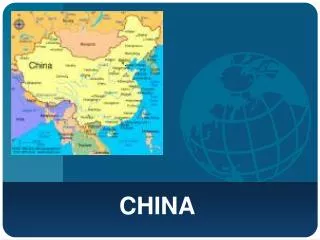
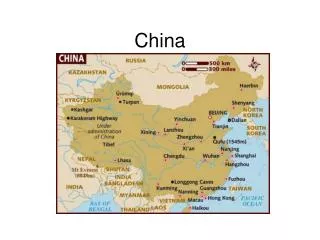
Near… • Isolated by Himalayas, Pamir & Tian Mts., TaklaMakan Desert, Gobi Desert, Mongolian Steppe, & Pacific Ocean. • Major rivers: Huang He (Yellow) and Yangzi. Flow west to east. • Eastern section better for agriculture – west dryer/colder. East more densely populated. South gets more rain. • Resources: stone, timber, minerals. • North: loess soil is fertile & soft. Lots of silt in Yellow River results in damaging floods (“China’s Sorrow”).