Perspectives on Understanding Human Behavior: Science, Arts, and Social Sciences
Explore the diverse perspectives of scholars on human existence, behavior, and the natural world. This discourse examines three core educational pillars: Social Sciences (Anthropology, Psychology, History), Natural Sciences (Biology, Chemistry, Environmental Studies), and the Arts and Humanities (Literature, Philosophy, Art). Gain insights into how discussions around identity, belonging, and history shape who we are today. Delve into critical questions about our existence, the forces shaping our lives, and the stories that define us while emphasizing the role of education in fostering empathy, critical thinking, and innovation.

Perspectives on Understanding Human Behavior: Science, Arts, and Social Sciences
E N D
Presentation Transcript
How do scholars view the world?Kay Sagmiller, DirectorCenter for Teaching and LearningOregon State University Which perspective do you prefer?
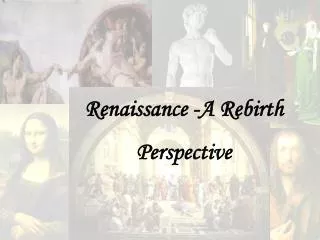
The 3 Perspectives of General Education Social Sciences: Why do individuals and groups of people behave as they do? The Sciences: What forces create and influence the natural world? The Arts and Humanities: Why do we exist?
Ask the Social Sciences Anthropology Psychology Education Economics Political Science History Gender and Women’s studies Criminology and Criminal Justice Business Health and Physical Education
Ask the Sciences • Biology • Chemistry • Physics • Environmental Studies: Geology, Geography • Computer Science
Ask the Arts and Humanities • Art • Philosophy • Literature • Writing... Writing... Writing...Writing • Communication • Foreign Languages • Theatre Arts • Music
Our Bacc Core… • Helps us form critical questions • Provides insights to difficult and complex problems • Enables multiple perspectives • Invites empathy for others • Illustrates the connections between people, ideas, and places • Invigorates and sustains our democracy
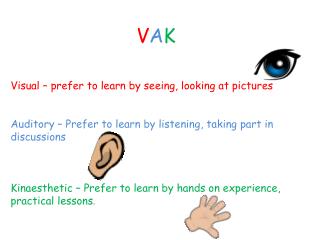
You learn…as you… • Read • Discuss • Write • Contemplate • Solve problems • Collaborate • Innovate
Who will you become? • An artist who paints endangered species? • A criminologist who writes murder mysteries? • A biologist who creates mosaics representing flora and fauna? • A business person who volunteers at a women’s shelter?
The Sciences Social Sciences Arts and Humanities