Download
1 / 35
350 likes | 465 Vues
This study examines the impact of parent material and fertilization on decomposition rates, highlighting the role of soil organic matter in ecosystem services. Collaborating with various research institutions, the project focuses on wood stakes to simulate roots and branches, providing valuable insights on soil properties and decomposition dynamics. Results indicate varied responses across different parent materials and fertilizer treatments, emphasizing the importance of understanding these factors for sustainable forest management.

E N D
Parent material, surface soil, and fertilization controls over decomposition rates
Collaborators • Rocky Mountain Research Station • Deb Page-Dumroese • Joanne Tirocke • Scott Baggett • Intermountain Forest Tree Nutrition Cooperative • Mark Kimsey • Terry Shaw • Michigan Technological University • Martin Jurgensen • Oregon State University Extension • Raini Rippy
Overview • Background – why use wood stakes? • Some results • Pondering the results (or what this might mean for managers)
Background – why look at decomposition? • Soil organic matter maintains site productivity because of its role in: • Water availability • Aggregate stability • Nutrient cycling • Disease prevention • Carbon sequestration rates • Organic matter decomposition is controlled by the same factors that govern tree growth • Soil temperature and moisture • pH • Nutrients • Organic matter provides ecosystem services • Water quality, resistance to erosion, soil fertility, fiber, fuel, climate mitigation
Decomposition – Past studies • Most decomposition studies have been conducted • With litterbags • On top of or within the litter layer • Inconsistent material • Trials are short-lived • Few mineral soil studies
Using wood stakes • Mimics coarse roots or branches • A standard substrate can be used to test: • Different forest management activities • Differences with and without surface OM • Depths within the mineral soil • Compare site to site
Our study with IFTNC • Six sites • 3 fertilizer treatments and a control • Grand fir or cedar overstory
Four Treatments • Plots were fertilized in 1994, 1995 or 1996 with: • N (300 lbs/acre) • K (170 lbs/acre) • N+K (300 + 170 lbs/acre) • Control (unfertilized)
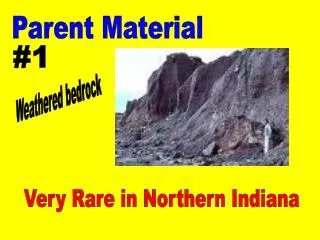
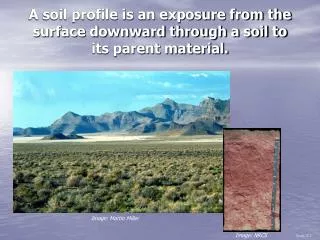
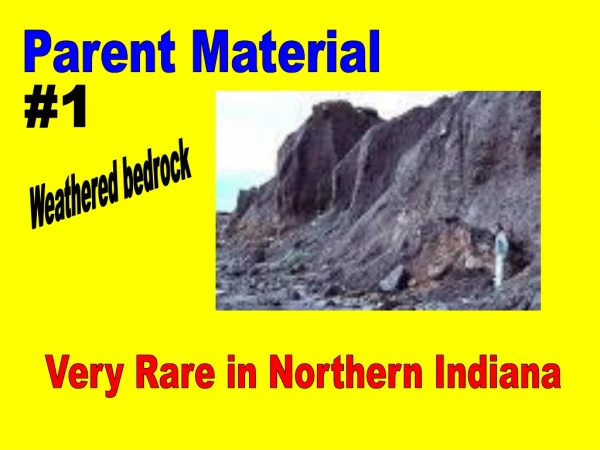
Soil properties • Parent Material • Basalt • Low in silica, high in K • Granite • Moderate amount of silica, moderate K • Metasediments • High in silica, low in K • Surface Soils • Tertiary sediments • Glacial • And don’t forget about an ash cap!
Wood stakes • Pine, aspen, and Douglas-fir were used. • Contrasting cellulose and lignin contents • Douglas-fir is a ‘local’ species
Stake Installation • 25 stakes (2.5 x 2.5 x 30 cm) of each species were inserted into the mineral soil of each subplot.(DF only placed at Spirit Lake and Grasshopper) • 2800 stakes in the mineral soil (total for all sites) • 25 stakes (2.5 x 2.5 x 15 cm) of each species were placed on top of forest floor and 25 more were installed at forest floor/mineral soil interface at each subplot. • 4800 surface and interface stakes (total for all sites)
Installation into the mineral soil • A 1” square hole is made in the mineral soil • Stake is inserted gently • Avoids altering wood properties
6 year volume growth (productivity) Data from the IFTNC TS=tertiary sediments; *= ash cap
Overall decomposition rate on different parent materials and soil TS=tertiary sediments; *= ash cap
Overall decomposition rate on different parent materials and soil TS=tertiary sediments; *= ash cap
Decomposition on different parent material and soil TS=tertiary sediments; *= ash cap
Decomposition on different parent material and soil (Grouped by surface soil) TS=tertiary sediments; *= ash cap
Decomposition on different parent material and soil (Grouped by surface soil) TS=tertiary sediments; *= ash cap
Decomposition on different parent material and soil (Grouped by surface soil) TS=tertiary sediments; *= ash cap
What does it all mean? • Metasediments: • Positive relationship between fertilization and decomposition (except with both N and K) • Basalt and tertiary sediments • Decomp dramatically increases with either N or K, but not both • Granite and tertiary sediments (with ash cap) • Decomposition is less in all fertilization treatments than the control • Granite (and ash cap) • Slight decrease with K only fertilization; N and N+K greater than control • Granodiorite (with ash cap) • Control had highest decomposition rates, but every fertilization treatment showed a decline in decomposition • There ARE parent material responses
General trends of decomposition and ecosystem K in the control treatments
General trends of decomposition and ecosystem K in the control treatments
Some results • Overall below-ground decomposition rates are slightly correlated with • Ecosystem K • Mineral soil organic matter content • Many details need to be explored • Stake species differences • Position in the mineral soil or on the soil surface • Within plot variability • Relationship within a site to ash-cap depth • Fungal species relationships • Development of the links between soil temperature and moisture with decomposition rates
Management Implications • Understanding both above- and below-ground responses to fertilization • Where responses may be positive or negative • This study helps describe the need to leave branches and leaves for nutrients on sites where fertilization isn’t used • How much to leave and where? • Implications for large woody residue retention and carbon sequestration