Function of Digestion (Obtaining Nutrients)
130 likes | 268 Vues
This comprehensive overview discusses the four primary feeding mechanisms utilized by organisms: filter feeding, substrate feeding, fluid feeding, and bulk feeding. Each mechanism is defined and exemplified through various species, from sponges and earthworms to mosquitoes and humans. The text also delves into the stages of food processing—ingestion, digestion, absorption, and elimination—highlighting the importance of the alimentary canal. Insights into mechanical and chemical digestion processes and the length of the digestive tract in relation to feeding habits are also included.


Function of Digestion (Obtaining Nutrients)
E N D
Presentation Transcript
Feeding Mechanisms There are 4 main types of feeding mechanisms used by organisms: • Filter feeding • Substrate feeding • Fluid feeding • Bulk feeding
1) Filter Feeders • Aquatic animals (e.g. sponges, clams) tend to be filter feeders. They use a filter-like structure to siphon water into their mouth and filter food. Consume protists, bacteria, and larvae https://www.youtube.com/watch?v=T7E1rq7zHLc Video:http://www.youtube.com/watch?v=T7E1rq7zHLc
2) Substrate Feeders • Substrate feeders tend to live in or on their food source. Substrate feeders tend to eat through the food source (e.g. caterpillars, earthworms) Earthworms Video: http://www.youtube.com/watch?v=r5QUjm-RvhY
3) Fluid Feeders • Fluid feeders consume their food by sucking or licking nutrient rich fluids. Their mouths can pierce or rip skin/leaf tissue. E.g. Mosquitoes E.g. Hummingbirds Video: http://www.youtube.com/watch?v=49dQtrLxkYo
4) Bulk Feeders • Bulk feeders tend to ingest large pieces of food. Others use tentacles, pincers, fangs, jaws or teeth. They kill prey or break off pieces of meat or vegetation. (e.g. Humans, cats, rabbits) Some swallow food whole (e.g. Great Blue Heron) Video: http://www.youtube.com/watch?v=lxBIA7jy34M
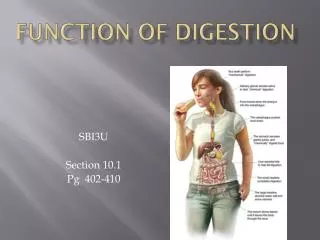
Stages of Food Processing • Ingestion – taking in food • Digestion – mechanical and chemical breakdown into small molecules • Absorption – transport of digested nutrients to circulatory and rest of body • Elimination – removal of undigested solid waste
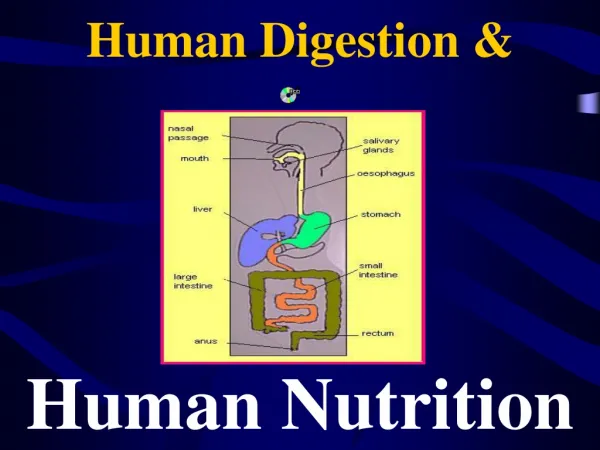
Alimentary Canal Alimentary Canal: the digestive tract beginning at the mouth and ending at the anus • As food moves along it, the digestive system processes it in different ways (like a factory) Digestive tract of Earthworm
Mechanical Digestion • Food is physically broken down by the teeth and muscular contractions in the digestive tract.
Chemical Digestion • Food is broken down by enzymes(proteins). The fluid releasing glands in the mouth and digestive tract release the enzymes which breakdown macromolecules into monomer subunits. https://www.youtube.com/watch?v=Z7xKYNz9AS0
Length of the Digestive Tract • The length of digestive tract varies depending on the feeding habits of the organism. • Herbivores and omnivores = longer relative to body size • Carnivores = shorter relative to body size Why?
Cecum: pouch at the beginning of the large intestine that receives undigested food from the small intestine
Homework • Textbook: pg 410 # 1-2, 6-13