Download
1 / 3
30 likes | 160 Vues
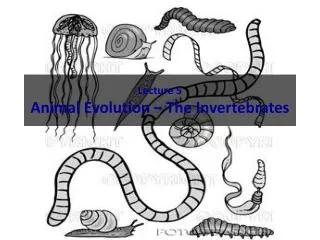
Dive into the fascinating world of cnidarians, a diverse group of invertebrates featuring simple tissues, radial symmetry, and unique body plans. Learn about the two primary forms: medusae, which float and capture prey using tentacles, and polyps, tube-shaped organisms that attach to substrates. This lecture covers key characteristics, including their hydrostatic skeletons and specialized feeding mechanisms, while highlighting examples such as jellyfish, sea anemones, hydra, and corals. Discover the vital role these creatures play in marine ecosystems!

E N D
2. Cnidarians • Have simple tissues, no organs • Radial symmetry, tentacled, with sac-like gut, epithelia, a nerve net, epithelia & hydrostatic skeleton. • Live in seas. • Jellyfishes, sea anemones, hydra & corals. • 2 common body plans/structure: • Medusa (medusae; plural) • Polyps
Medusae: float & look like bells/saucers. Mouth centered under the bell, often with tentacles & other extensions for prey capturing & feeding. Polyps: Tube shaped, usually attaches to substrate Tentacle-ringed mouth at one end, captures prey. Cnidarian gut-permanent food-processing chamber. Medusa vs Polyps