Understanding Ecosystems: Definitions, Structures, and Trophic Relationships
This overview explores critical concepts related to ecosystems and ecotones, including definitions of biotic communities, species, and populations. It explains the structure of ecosystems, focusing on trophic categories such as producers, primary consumers, and secondary consumers, along with their interrelationships. Additionally, key differences between biotic and abiotic factors within ecosystems are described. Gain an in-depth understanding of nutrient cycles, energy flow, and the roles of various organisms within these intricate systems.

Understanding Ecosystems: Definitions, Structures, and Trophic Relationships
E N D
Presentation Transcript
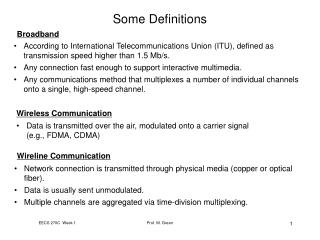
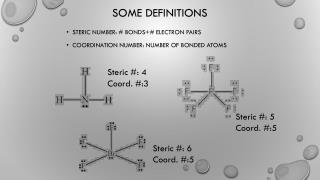
Some Terms and Definitions • Ecosystems: A grouping of plants, animals, and microbes occupying an explicit unit of space and interacting with each other and their environment. • Ecotone: Transitional region between different ecosystems.
Ecosystems: A Description • Biotic communities: grouping or assemblage of plants, animals, and microbes. • Species: different kinds of plants, animals, and microbes in the community. • Populations: number of individuals that make up the interbreeding, reproducing group. • Associations: how a biotic community fits into the landscape.
Ecotones on Land • Shares many of the species and characteristics of both ecosystems • May also include unique conditions that support distinctive plant and animal species
Terrestrial-to-Aquatic-System Ecotone • Shares many of the species and characteristics of both ecosystems • May also include unique conditions that support distinctive plant and animal species
The Structure of Ecosystems • Trophic categories • Trophic relationships: food chains, food webs, trophic levels. • Nonfeeding relationships: symbiosis • Abiotic factors
Consumers = Heterotrophs • Primary consumers = herbivores = rabbit: eat plant material • Secondary consumers = carnivores = predators = coyotes: prey are herbivores and other animals.
Parasites = predator = either plant or animal: prey are plants or animals. Consumers = Heterotrophs
Third-order Consumer Secondary Consumer Primary Consumer Producer Trophic Relationships: Food Chain
Third-order Consumer 1Kcal - 10x Secondary Consumer 10 Kcal - 10x Primary Consumer 100 Kcal - 100x Trophic Level Energy Flow 10,000 Kcal Producer
5 4 3 2 1 Trophic Levels: Pyramid of Biomass Which level is occupied by: producers? primary consumers? secondary consumers? third-order consumers?
5 4 3 2 1 Trophic Levels: Pyramid of Energy Which level is occupied by: producers? primary consumers? secondary consumers? third-order consumers?
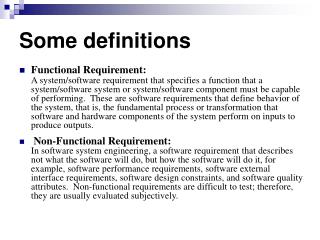
HW Questions(answer these 5 questions in a Word doc and bring the word doc to next class (do not submit or email it)! • Q1. How are “ecotone” and “environmental gradient” similar or different? Explain your answer. • Q2. Answer the questions presented in Slide 20 and Slide 21 of this PPT • Q3. What is the difference between the biotic community and the abiotic environmental factors of an ecosystem? • See next slide for more questions • (always refer to your Pearson IB textbook p. 14-20 while answering)
HW questions (Contd) • Q4. Define and compare the terms species, population, association, and ecosystem. • Q6. Compared with an ecosystem, what are an ecotone, landscape, biome, and biosphere? • Q7. Identify and describe the biotic and the abiotic components of the ecosystem such as the Gulshan Lake that is a part of your community. • Q8. Name and describe the roles of the three main trophic categories that make up the biotic structure of every ecosystem. Give examples of organisms from each category.