Search Engine Optimization
At GrowwTech, we believe in remodelling your virtual presence right into a powerhouse of increase and engagement. Our current strategies and statistics-pushed insights are designed to elevate your emblem and captivate your audience. With a committed team of specialists, we harness the modern-day era and modern techniques to supply outcomes that now not most effective meet however exceed your expectations. Trust GrowwTech to navigate the complexities of digital marketing and propel your commercial enterprise closer to unparalleled achievement. Experience the destiny of virtual marketing with us

Search Engine Optimization
E N D
Presentation Transcript
Search Engine Optimization Definition of Search Engine Optimization (SEO) Search Engine Optimization (SEO) is a digital marketing strategy aimed at improving the visibility and ranking of a website or web page in search engine results pages (SERPs). The primary goal of SEO is to increase organic (non-paid) traffic to a website by making it more relevant and appealing to search engines and users. SEO involves various techniques and practices designed to enhance a website’s ability to be discovered and ranked highly by search engines like Google, Bing, and Yahoo. SEO is a multifaceted discipline that encompasses various strategies and tactics to ensure that a website meets the criteria set by search engines for ranking. This includes optimizing on-page elements (like content and HTML tags), off-page factors (such as backlinks and social media presence), and technical aspects (like site speed and mobile-friendliness). Effective SEO requires a deep understanding of search engine algorithms, user behavior, and content creation. Types of SEO Search Engine Optimization can be broadly categorized into three main types: On-Page SEO, Off-Page SEO, and Technical SEO. Each type focuses on different aspects of a website to improve its search engine ranking.
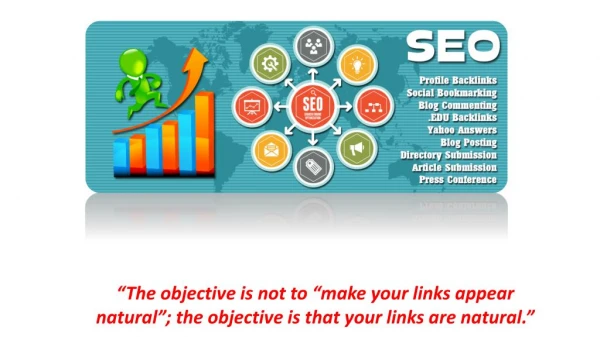
1. On-Page SEO On-Page SEO refers to the practices and optimizations made directly on the website’s pages to improve their visibility and relevance. Key elements of On-Page SEO include: -Content Quality and Relevance: High-quality, relevant content is crucial for SEO. This includes creating informative, engaging, and valuable content that addresses the needs and interests of the target audience. Content should be well-written and provide answers or solutions to the user's queries. - Keyword Optimization: Keywords are specific terms and phrases that users enter into search engines. Effective keyword research and optimization involve incorporating relevant keywords into the content, headings, meta tags, and URLs in a natural and strategic manner. - Title Tags and Meta Descriptions: These HTML elements provide concise information about the page's content and are displayed in search engine results. Optimizing title tags and meta descriptions with relevant keywords can improve click-through rates and search rankings. - Header Tags: Header tags (H1, H2, H3, etc.) help organize content and make it easier for both users and search engines to understand the structure of the page. Proper use of header tags can improve readability and SEO. - URL Structure: URLs should be clean, descriptive, and include relevant keywords. A well-structured URL can enhance user experience and search engine indexing. - Internal Linking:Linking to other pages within the same website helps distribute page authority and improves navigation. Internal links can also enhance user engagement and reduce bounce rates. - User Experience (UX): On-Page SEO also involves optimizing the overall user experience, including page load speed, mobile-friendliness, and intuitive navigation. A positive UX can lead to lower bounce rates and higher user satisfaction. 2. Off-Page SEO Off-Page SEO refers to activities and factors that occur outside the website but impact its search engine ranking. Key aspects of Off-Page Search Engine Optimization include: - Backlinks: Backlinks are links from other websites that point to your site. High-quality, authoritative backlinks signal to search engines that your site is trustworthy and valuable. Building a strong backlink profile involves acquiring links from reputable and relevant sources.
- Social Media Engagement: Social media presence and engagement can influence SEO indirectly. Sharing content on social media platforms and engaging with users can drive traffic to your website and increase its visibility. - Online Reputation Management:Managing your online reputation involves monitoring and responding to reviews, comments, and mentions of your brand. A positive online reputation can enhance credibility and attract more visitors. - Influencer Marketing: Collaborating with influencers in your industry can help increase brand awareness and drive traffic to your site. Influencers can provide valuable backlinks and endorsements. - Local SEO: For businesses with a physical presence, local SEO involves optimizing for local search queries and ensuring that your business appears in local listings and maps. This includes optimizing your Google My Business profile and acquiring local citations. 3. Technical SEO Technical SEO focuses on the backend aspects of a website that affect its performance and indexing by search engines. Key elements of Technical SEO include: - Site Speed:Page load speed is a critical factor for both user experience and search engine rankings. Faster-loading pages improve user satisfaction and can positively impact rankings. - Mobile-Friendliness: With the increasing use of mobile devices, ensuring that a website is mobile-friendly is essential. Responsive design and mobile optimization help provide a seamless experience across different devices. - Crawlability and Indexability: Search engines use crawlers to index website content. Technical SEO involves ensuring that search engines can crawl and index your site efficiently. This includes creating and submitting XML sitemaps and optimizing robots.txt files. - Structured Data: Structured data, or schema markup, helps search engines understand the content of your pages better. Implementing structured data can enhance the display of search results with rich snippets. - HTTPS: Securing your website with HTTPS (HyperText Transfer Protocol Secure) is important for both security and SEO. HTTPS encrypts data transmitted between the user and the website, providing a safer browsing experience. Groww Tech Search Engine Optimization
Importance of SEO Search Engine Optimization is crucial for several reasons, each contributing to the overall success and growth of a website or online business: 1. Increased Visibility and Traffic The primary benefit of SEO is increased visibility in search engine results. Higher rankings lead to more organic traffic, which can significantly boost the number of visitors to your site. This increased visibility is particularly important for businesses looking to attract new customers and grow their online presence. 2. Cost-Effective Marketing Compared to paid advertising, SEO is a cost-effective marketing strategy. While it requires time and effort, the long-term benefits of SEO, such as sustained organic traffic, can provide a higher return on investment (ROI) compared to paid search campaigns. 3. Enhanced User Experience SEO involves optimizing various aspects of a website to improve user experience. This includes faster load times, mobile responsiveness, and easy navigation. A positive user experience can lead to higher engagement, lower bounce rates, and increased conversions. 4. Credibility and Trust Websites that rank higher in search results are often perceived as more credible and trustworthy by users. High rankings can enhance your brand's reputation and authority in your industry. 5. Competitive Advantage Effective SEO can give you a competitive edge by helping you outperform competitors in search rankings. A well-optimized website can attract more customers and generate more leads than competitors who neglect SEO. 6. Long-Term Results
While SEO requires ongoing effort and adaptation, its effects can be long-lasting. Once a website achieves high rankings, it can maintain visibility and traffic with continued optimization and maintenance. 7. Targeted Traffic SEO helps attract highly targeted traffic by focusing on relevant keywords and user intent. This means that visitors arriving at your site through organic search are more likely to be interested in your products or services, leading to higher conversion rates. Salary in SEO The salary for professionals in the SEO field can vary widely depending on factors such as experience, location, job role, and company size. Here is a general overview of typical salaries for different SEO roles: 1. SEO Specialist - Entry-Level SEO Specialist: $40,000 - $55,000 per year - Mid-Level SEO Specialist:$55,000 - $75,000 per year - Senior SEO Specialist: $75,000 - $100,000 per year 2. SEO Manager - SEO Manager:$70,000 - $90,000 per year - Senior SEO Manager:$90,000 - $120,000 per year 3. SEO Director - SEO Director: $100,000 - $150,000 per year - Senior SEO Director:$150,000 - $200,000 per year 4. SEO Analyst - SEO Analyst: $50,000 - $70,000 per year
- Senior SEO Analyst:$70,000 - $90,000 per year 5. SEO Consultant - SEO Consultant:$80,000 - $120,000 per year - Senior SEO Consultant: $120,000 - $150,000 per year Conclusion Search Engine Optimization (SEO) is a dynamic and essential component of digital marketing that focuses on improving a website’s visibility, relevance, and performance in search engine results. By understanding and implementing effective On-Page, Off-Page, and Technical SEO strategies, businesses can enhance their online presence, attract targeted traffic, and achieve long-term success. The importance of SEO cannot be overstated, as it provides a cost-effective way to drive organic traffic, improve user experience, and gain a competitive advantage. With the right skills and expertise, SEO professionals can enjoy rewarding careers with competitive salaries, reflecting the value they bring to businesses seeking to excel in the digital landscape. Groww Tech Search Engine Optimization