SlideServe
Menu
Préférences
© SlideServe · v2026

Comfort in Mourning - The Ancient Egyptian Art of Grief

hallie avatar
45 diapositives · 567 Views · Jul 20, 2014

Explore the ancient Egyptian art depicting mourning and comfort, including scenes of grieving families, rituals, and tomb symbolism. Discover the intricate details of mourning practices and the belief in the afterlife.
Comfort in Mourning - The Ancient Egyptian Art of Grief - slide 1
01 / 45Comfort in Mourning - The Ancient Egyptian Art of Grief
1 / 17

Télécharger la présentation

Comfort in Mourning - The Ancient Egyptian Art of Grief
Une image / un lien ci-dessous est fourni (tel quel) pour télécharger la présentation

Politique de téléchargement : le contenu du site vous est fourni TEL QUEL pour votre information et votre usage personnel ; il ne peut être vendu, concédé sous licence ni partagé sur d’autres sites sans l’accord de son auteur.Le contenu vous est fourni TEL QUEL, pour votre information et votre usage personnel uniquement. Téléchargez la présentation en cliquant sur ce lien. Lors du téléchargement, si vous ne parvenez pas à télécharger une présentation, l’éditeur a peut-être supprimé le fichier de son serveur.Pendant le téléchargement, si vous ne parvenez pas à obtenir une présentation, le fichier a peut-être été supprimé par l’éditeur.

F I N

Plus de contenu associé

Transcription de la présentation
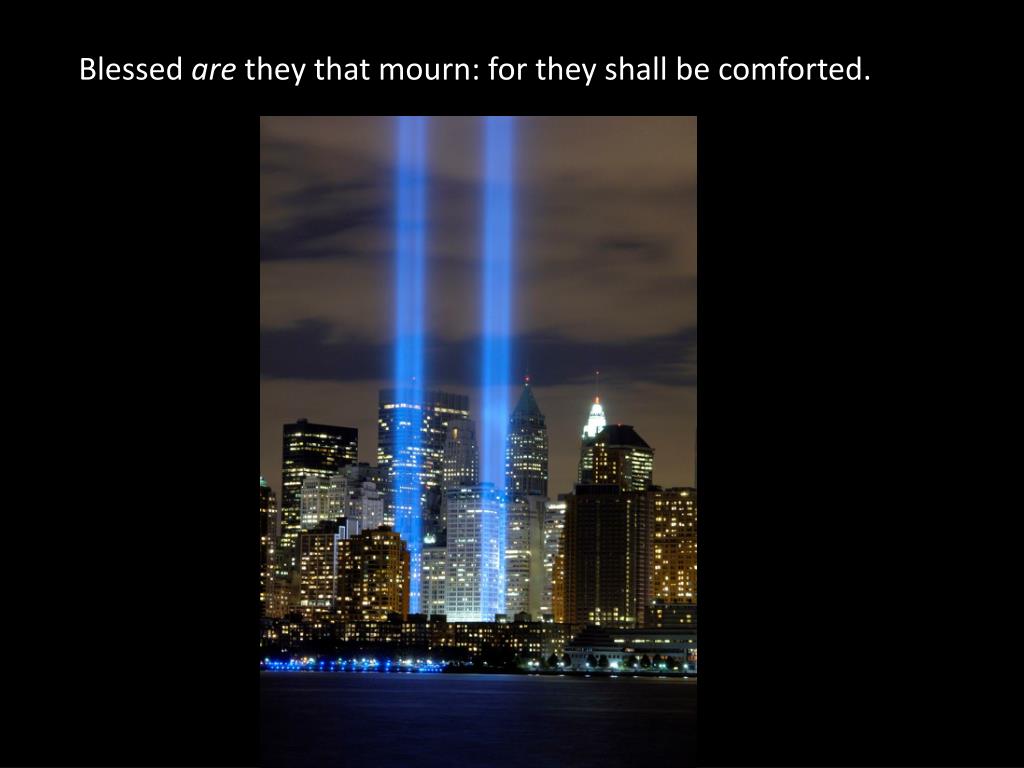
  1. Blessed are they that mourn: for they shall be comforted.

  2. Ancient Egypt

  3. Sarah Lynn 

  4. Cave of the swimmers, Egypt English Patient

  5. The Goddess Auset aka Isis Section from a Book of the DeadThebes, Dynasty 21, ca. 1070-945 B.C.Painted and inscribed papyrus, h. (of illustrated section) 13 3/4 in.Rogers Fund, 193030.3.31 Statute of Isis Suckling Horus; Bronze Karnak Late Period (664-332 B.C.) Egyptian Museum, Cairo (Goddess Auset)

  6. Blessed are the meek, for they shall inherit the earth.

  7. Mastaba

  8. Ti

  9. Djoser/Zoser

  10. Blessed are the meek, for they shall inherit the earth.

  11. Seated Scribe, tomb of Kai, Saqqara, 5th Dynasty, c.2400 BCE, painted limestone with inlaid eyes of rock crystal

  12. Rock-Cut Tombs, BeniHasan, 12th Dynasty, c.1900 BCE

  13. New Kingdom Egypt

  14. H

  15. Detail, Hunefer, ch. 25

  16. This is an excellent example of one of the many fine vignettes (illustrations) from the Book of the Dead of Hunefer. The centrepiece of the upper scene is the mummy of Hunefer, shown supported by the god Anubis (or a priest wearing a jackal mask). Hunefer's wife and daughter mourn, and three priests perform rituals. The two priests with white sashes are carrying out the Opening of the Mouth ritual. The white building at the right is a representation of the tomb, complete with portal doorway and small pyramid. Both these features can be seen in real tombs of this date from Thebes. To the left of the tomb is a picture of the stela which would have stood to one side of the tomb entrance. Following the normal conventions of Egyptian art, it is shown much larger than normal size, in order that its content (the deceased worshipping Osiris, together with a standard offering formula) is absolutely legible. At the right of the lower scene is a table bearing the various implements needed for the Opening of the Mouth ritual. At the left is shown a ritual, where the foreleg of a calf, cut off while the animal is alive, is offered. The animal was then sacrificed. The calf is shown together with its mother, who might be interpreted as showing signs of distress.

  17. Temple of Dendur, c.30BCE – 14 AD

  18. Imhotep Sarcophagus Cartouche Thebes Hierogylphics Seti I Scarabs Amun-Ra Anubis Canopic Jars Hamunaptra